
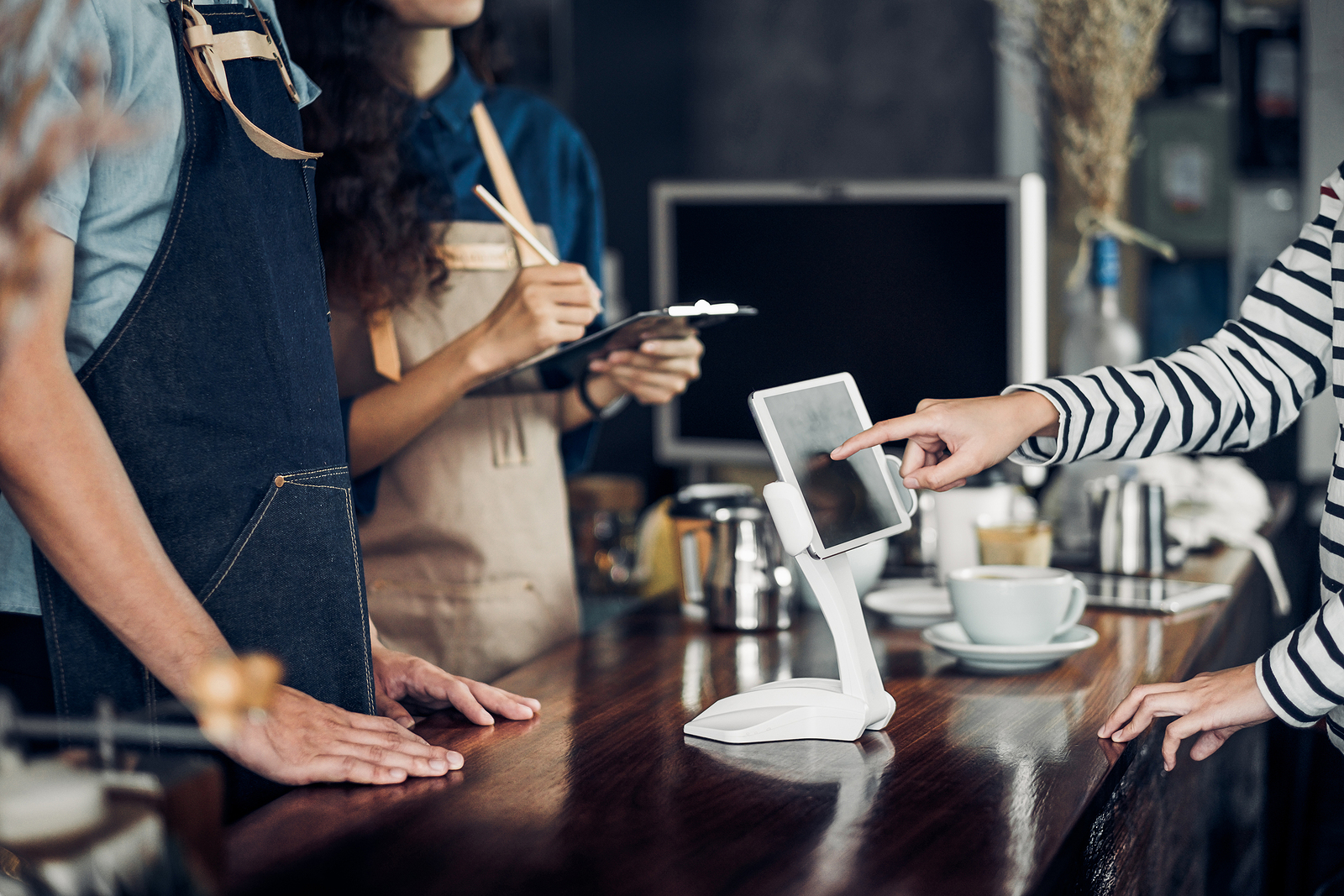
(StLouisRestaurantReview) Restaurant workflows are under constant pressure. Rising order volume, multiple sales channels, labor shortages, and higher customer expectations have exposed the limits of manual processes. When workflows break down, the impact is immediate: slower service, more errors, stressed staff, and inconsistent customer experiences.
Digital systems improve workflow by removing friction, clarifying responsibilities, and creating structure across daily operations. Instead of relying on memory, verbal communication, or workarounds, restaurants use technology to guide execution and keep teams aligned, even during peak hours. Below are six key ways restaurants improve workflow by using digital systems and why these improvements matter at every level of the operation.
1. Centralizing Order Flow From Entry to Fulfillment
One of the most common workflow problems in restaurants is fragmented order flow. Orders come from multiple channels, are entered in different ways, and reach the kitchen through inconsistent paths. This fragmentation creates delays, confusion, and unnecessary rework.
Digital systems solve this by centralizing all orders into a single operational flow. A modern restaurant pos system captures orders digitally at the source and routes them instantly to the kitchen and fulfillment areas. Whether the order originates from the counter, online ordering, kiosks, or the drive-thru, it follows the same structured process.
Centralization improves workflow by eliminating repeated data entry, reducing clarification between teams, and allowing preparation to begin immediately. Staff no longer need to translate or reinterpret orders. The entire operation uses the same information, creating a smoother, more predictable workflow from start to finish.
2. Creating Clear Kitchen Execution With Real-Time Visibility
The kitchen is where workflow issues become most visible. Paper tickets, verbal callouts, and unclear priorities force staff to constantly shift focus, slowing preparation and increasing errors.
Digital systems improve kitchen workflow by replacing fragmented communication with real-time visibility. A kitchen display system clearly shows every order, organized by priority, preparation station, and fulfillment type. Orders update automatically as changes occur, eliminating the need for verbal updates or manual sorting.
This visibility allows kitchen teams to focus on execution rather than coordination. Staff know what needs to be prepared next, which items are in progress, and when orders are ready for handoff. As a result, kitchens move more smoothly, bottlenecks are reduced, and workflow becomes more consistent during both slow periods and rushes.
3. Reducing Workflow Interruptions Caused by Errors
Errors are one of the biggest disruptors of restaurant workflow. When an order is incorrect, everything stops. Staff must clarify details, remake items, and manage frustrated customers, all of which interrupt the natural flow of service.
Digital systems reduce these interruptions by improving accuracy at every step. Menu logic ensures that required selections are made, incompatible options are prevented, and special instructions are clearly recorded. Orders are entered once and flow through the system without manual handoffs.
Fewer errors mean fewer interruptions. Kitchens can stay focused on preparation, front-of-house staff spend less time troubleshooting, and managers are not constantly pulled into problem-solving. Workflow becomes smoother because the operation is not repeatedly resetting itself to fix avoidable mistakes.
4. Improving Drive-Thru Workflow Under Pressure
The drive-thru is one of the most workflow-intensive areas in a restaurant. High volume, speed expectations, and limited communication make it easy for processes to break down. Without strong systems, drive-thru orders often disrupt the rest of the operation.
A modern drive thru system improves workflow by integrating order capture, confirmation, and kitchen routing into a single digital process. Orders move directly from the speaker into the system without relying on memory or handwritten notes.
This integration ensures that drive-thru orders are sequenced correctly alongside in-store and online orders. Kitchen teams receive clear instructions, front-of-house staff avoid repeated confirmations, and cars move through the line more consistently. When the drive-thru workflow is stable, it reduces pressure across the entire restaurant and prevents one channel from overwhelming the others.
5. Supporting Faster Training and Consistent Execution
Inconsistent training is a hidden workflow problem. When staff rely on verbal instruction or individual experience, execution varies from shift to shift. New employees hesitate, ask questions mid-task, or make mistakes that slow everyone down.
Digital systems improve workflow by standardizing execution. Clear, system-driven processes guide staff through order handling, preparation, and fulfillment. Instead of guessing or relying on memory, employees follow structured steps supported by technology.
This consistency shortens training time and reduces hesitation during service. Even less experienced staff can perform confidently because the system provides guidance. As a result, workflows remain steady regardless of who is working, which is especially important during peak hours or periods of high turnover.
6. Using Real-Time Data to Adjust Workflow Proactively
Many workflow problems persist because restaurants lack visibility into what is actually happening during service. Without data, managers often respond only after delays or complaints occur.
Digital systems provide real-time insight into order flow, preparation times, and bottlenecks. Managers can see where work is slowing down and adjust before service breaks down. Over time, this data reveals patterns that help restaurants redesign workflows, adjust prep strategies, and balance workloads more effectively.
By using data rather than intuition, restaurants move from reactive management to proactive control. Workflow improvements become continuous rather than occasional, leading to more stable operations and less stress for teams.
Improving restaurant workflow is not about asking staff to move faster or work harder. It is about building systems that reduce confusion, eliminate unnecessary steps, and support consistent execution. Digital systems create structure where manual processes create friction.
When workflows are transparent and predictable, teams perform better, service becomes faster, and customers notice the difference. Restaurants that invest in digital systems are not just improving efficiency; they are also enhancing customer experience. They are creating operations that can handle complexity, scale smoothly, and deliver reliable experiences day after day.

Martin Smith is the founder and Editor-in-Chief of St. Louis Restaurant Review, STL.News, USPress.News, and STL.Directory. He is a member of the United States Press Agency (ID: 31659) and the US Press Agency.