
(StLouisRestaurantReview) Restaurants have been chasing one goal for years: make the checkout feel invisible. From QR ordering to tap-to-pay terminals, the push is about speed, fewer errors, and less time spent waiting near a counter. As cashless kiosks spread, they’re also getting people comfortable with prepaid-style spending, the same mindset behind voucher top-ups for online entertainment such as neosurf online pokies where customers load a fixed amount first, then spend from that balance.
Why kiosks are showing up in more dining rooms
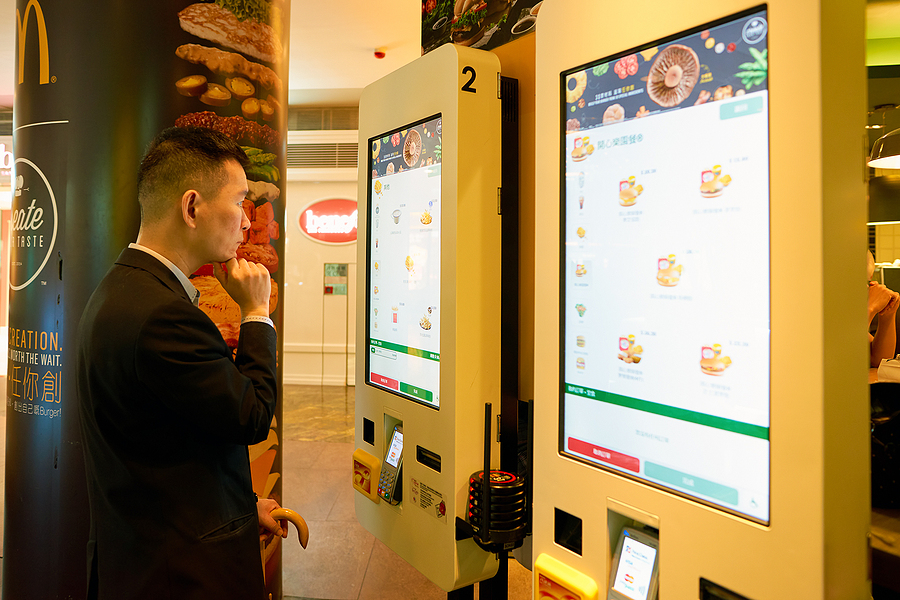
The earliest kiosk rollouts were easy to spot: big chains, busy food courts, and locations where order volume mattered more than table service. Now the trend is moving into smaller venues that want to reduce pressure during rush windows without adding staff.
Kiosks tend to appeal to operators because they can:
- Keep lines moving during peak periods
- Reduce order mistakes caused by noisy environments or rushed interactions
- Standardize upsells like sides, drinks, and add-ons
- Free up staff to focus on food quality and guest experience
- Create cleaner data on what sells and when
For customers, the benefit is mostly control. You can take an extra second to check modifiers and confirm the total before paying. In a world where pricing has become more sensitive, that final review screen matters.
The cashless shift is really about fewer friction points
Most venues are not going cashless to make a statement. They’re doing it because cash creates tiny delays that stack up. Counting a register, making change, handling end-of-night reconciliation, and managing cash drops all take time. Then there’s the customer experience piece; people increasingly expect to tap a phone and leave.
Cashless kiosks also reduce a few operational headaches:
- Shorter payment handoffs
- Cleaner end-of-day reporting
- Less risk tied to cash handling
- Fewer charge disputes caused by mis-keyed totals
That does not mean every guest loves the shift. Some diners still prefer cash. That’s why many venues test kiosks in specific hours or sections before they fully commit.
Prepaid thinking is spreading beyond restaurants
A kiosk payment is usually card or mobile wallet, but the behavior it encourages looks a lot like prepaid. You choose your spend, you confirm it, and you keep the transaction contained to that moment. The same logic shows up in plenty of other industries.
Examples of outside dining include:
- Transit systems that encourage stored balances for faster boarding
- Concert venues that push tap payments to reduce bar lines
- App ecosystems that use credits to simplify repeat purchases
- Gift cards are used for budgeting, not only gifting
Prepaid vouchers sit in this same family of habits. People like knowing the amount up front. They like separating leisure spending from their primary bank account. They like having a boundary that is decided before the moment of purchase.
This is part of why voucher payments remain relevant even as tap-to-pay becomes universal. Prepaid is not competing with modern payments; it’s serving a different preference: control first.
What makes a kiosk rollout succeed
The technology is only half the story. Kiosks fail when they feel confusing, slow, or out of place in the room. The best rollouts treat kiosks like a service upgrade, not a cost-cutting signal.
A few design and operational choices tend to separate smooth launches from frustrating ones:
- Clear signage that explains when to use the kiosk and when to order normally
- A simple menu layout that matches the physical menu and the staff script
- Enough kiosks to prevent bottlenecks, especially during lunch rush
- Fast receipts and order tracking so guests know the system heard them
- Staff trained to assist without hovering, especially for first-time users
Speed is important, but confidence is more important. If customers feel uncertain, they avoid the kiosk, and the whole goal is lost.
There’s also a payment detail that venues sometimes overlook: the payment step must be calm. If the screen suddenly adds surprise fees, unclear tips, or confusing prompts, people hesitate. That hesitation is what turns a kiosk line into a kiosk jam.
How does this connect to digital entertainment payments
It might seem like restaurant kiosks and online entertainment have nothing in common, but they share a similar trust test. The payment moment is where users decide whether the product feels professional.
In a restaurant, that means:
- The total looks right
- The tip prompt is clear
- The card tap works the first time
- The receipt makes sense
In online entertainment, the same expectations apply. Users want clear amounts, predictable steps, and an easy way to understand what they are authorizing. Voucher systems fit well here because they turn the payment step into a simple redemption rather than a full card entry flow.
For some users, that matters as much as speed. A prepaid top-up can feel less risky because you are not linking an account. You are loading a set amount and spending from that amount. Whether it is a dinner order, a music subscription, or a gaming session, the underlying preference is consistent: keep spending intentionally and reduce surprises.
What to expect next from cashless venues
Cashless kiosks are likely to keep expanding, but the future is not only about removing cash. It’s about smoothing the entire purchase path, from order to payment to pickup.
We’ll likely see more venues focus on:
- Better kiosk placement so ordering feels natural
- Smarter defaults that reduce taps without removing choice
- Loyalty integration that works without slowing the line
- Cleaner tip design that feels respectful and transparent
- More payment variety for guests who do not use mobile wallets
The venues that win with kiosks will be the ones that treat payment as part of hospitality. When a transaction feels clear, fast, and predictable, guests leave with one less annoyance in their day. That’s the real value of cashless technology, and it’s also why prepaid-style spending habits continue to show up across categories far beyond restaurants.
Related restaurant business news article published on St. Louis Restaurant Review:
- Restaurant Warning: Loving to Cook Is Not a Business Plan
- Why Good Accounting Alone Won’t Save Your Restaurant
- A Number That Decides Whether Your Restaurant Survives
- 4 Problems Restaurant Franchise Owners Face in 2026
- Why Restaurants Fail: The Leading Cause Behind Closures

Martin Smith is the founder and Editor-in-Chief of St. Louis Restaurant Review, STL.News, USPress.News, and STL.Directory. He is a member of the United States Press Agency (ID: 31659) and the US Press Agency.