


Table of Contents
ToggleThe Mediterranean diet is widely considered one of the healthiest ways to eat because it emphasizes fresh vegetables, healthy fats, lean proteins, and whole grains.
Traditional Mediterranean cooking focuses on natural ingredients, balanced meals, and moderate portion sizes.
Many nutrition experts believe this style of eating supports heart health, longevity, and overall well-being.
Introduction: A Way of Eating That Promotes Health
ST. LOUIS, MO (StLouisRestaurantReview) In recent years, the Mediterranean diet has gained widespread recognition as one of the healthiest eating patterns in the world. Unlike many modern diet trends that focus on restrictive eating or rapid weight loss, the Mediterranean diet is built on a traditional way of eating practiced for generations in countries surrounding the Mediterranean Sea.
This approach to food emphasizes fresh vegetables, fruits, olive oil, fish, legumes, nuts, and whole grains while limiting processed foods and excessive sugars. Meals are often balanced, flavorful, and enjoyed slowly with family and friends.
What makes the Mediterranean diet particularly appealing is that it does not feel like a strict diet at all. Instead, it is a sustainable lifestyle that encourages healthy food choices while still allowing people to enjoy satisfying and delicious meals.
The long-standing health benefits associated with this style of eating have helped it gain global attention, and today, many restaurants and home cooks are embracing Mediterranean-inspired meals as a foundation for healthier living.
The Origins of Mediterranean Cuisine
Mediterranean cuisine is not tied to a single country but rather represents the shared culinary traditions of several nations located around the Mediterranean Sea. Countries such as Greece, Italy, Spain, Turkey, Lebanon, and parts of North Africa have influenced this style of cooking.
While each region has its own unique flavors and specialties, many of the core ingredients remain the same. These cuisines commonly feature fresh vegetables, olive oil, seafood, herbs, whole grains, and legumes.
Historically, people in these regions relied heavily on locally grown foods. Farmers harvested seasonal produce, fishermen brought in fresh seafood, and meals were prepared using simple cooking techniques that preserved natural flavors.
Because these foods were fresh and minimally processed, they naturally formed a diet that supported good health.
Over time, the Mediterranean style of eating developed into a culinary tradition that prioritizes balance, freshness, and simplicity.
Healthy Fats as the Foundation
One of the defining characteristics of the Mediterranean diet is its use of healthy fats, particularly olive oil.
Unlike many Western diets that rely heavily on saturated fats or processed oils, Mediterranean cooking often uses extra virgin olive oil as the primary fat source. Olive oil contains beneficial compounds and is known for its rich flavor and versatility in cooking.
Healthy fats are important for the body because they support brain function, help regulate cholesterol levels, and provide energy. The Mediterranean diet includes other sources of healthy fats such as nuts, seeds, and certain types of fish.
These fats replace less healthy options found in many processed foods, contributing to the diet’s reputation for promoting heart health.
A Strong Emphasis on Vegetables and Fruits
Another reason the Mediterranean diet is considered so healthy is the large amount of vegetables and fruits included in daily meals.
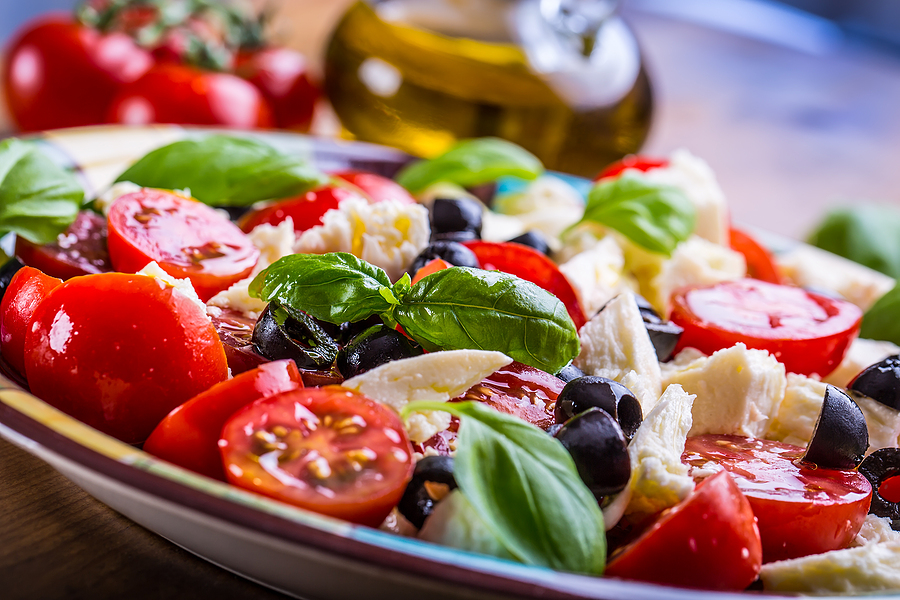
Vegetables often serve as the foundation of Mediterranean dishes. Tomatoes, eggplant, peppers, cucumbers, leafy greens, and zucchini frequently appear in salads, soups, and main dishes.
Fruits such as oranges, figs, grapes, and berries are commonly enjoyed as snacks or desserts.
These foods provide essential vitamins, minerals, antioxidants, and fiber that support overall health.
Because fruits and vegetables are naturally low in calories but high in nutrients, they contribute to balanced meals that help maintain a healthy body weight while nourishing the body.
Lean Proteins and Seafood
Mediterranean cuisine also focuses on lean sources of protein.
Fish and seafood play a significant role in many Mediterranean diets. Fish such as salmon, sardines, tuna, and mackerel are rich in beneficial fatty acids that support cardiovascular health.
In addition to seafood, the Mediterranean diet includes moderate portions of poultry, eggs, legumes, and dairy products such as yogurt and cheese.
Red meat is typically consumed less frequently and in smaller portions compared to many Western diets.
By focusing on lean proteins and seafood, Mediterranean meals provide important nutrients while avoiding excessive saturated fats.
Whole Grains and Legumes
Whole grains and legumes are another important component of Mediterranean eating.
Foods such as whole wheat bread, barley, brown rice, lentils, chickpeas, and beans provide complex carbohydrates that release energy slowly throughout the day.
These foods are rich in fiber, which supports digestive health and helps maintain stable blood sugar levels.
Unlike refined grains commonly found in processed foods, whole grains retain more nutrients and contribute to a balanced diet.
Legumes such as lentils and chickpeas are especially valued because they provide both protein and fiber while remaining affordable and versatile in cooking.
Herbs and Natural Seasoning
Mediterranean cuisine is known for its vibrant flavors, but these flavors rarely come from heavy sauces or processed seasonings.
Instead, cooks rely on fresh herbs and natural ingredients to enhance taste.
Garlic, basil, oregano, rosemary, thyme, and parsley are commonly used to season dishes. Lemon juice, vinegar, and olive oil also add brightness and depth to meals.
These natural seasonings provide flavor without relying on excessive salt, sugar, or artificial additives.
As a result, Mediterranean dishes often taste rich and satisfying while remaining nutritionally balanced.
Portion Balance and Moderation
Another important factor that contributes to the health benefits of the Mediterranean diet is moderation.
Meals are typically balanced rather than oversized. Plates often include a combination of vegetables, grains, healthy fats, and moderate portions of protein.
Desserts and sweets are enjoyed occasionally rather than daily.
This balanced approach encourages mindful eating and helps prevent overeating.
In Mediterranean cultures, meals are also often eaten slowly and shared with others, allowing people to savor their food and recognize when they feel satisfied.
The Role of Lifestyle and Community
The Mediterranean diet is not only about the food itself but also about the lifestyle that surrounds it.
In many Mediterranean countries, meals are considered social experiences. Families and friends gather around the table to share food, conversation, and time together.
Eating slowly and enjoying meals in a relaxed setting helps improve digestion and encourages healthier eating habits.
Physical activity is also an important part of daily life in many Mediterranean regions. Walking, gardening, and other outdoor activities are common and contribute to overall well-being.
This combination of nutritious food, social connection, and active living helps explain why the Mediterranean lifestyle is often associated with long life expectancy and strong health outcomes.
Mediterranean Food in Modern Restaurants
As awareness of the Mediterranean diet has grown, many restaurants around the world have begun offering Mediterranean-inspired menus.
Dishes such as grilled fish, hummus, falafel, Greek salads, and roasted vegetables have become increasingly popular with diners seeking healthier options.
Mediterranean restaurants often highlight fresh ingredients and simple cooking methods that align with modern wellness trends.
These establishments appeal to customers who want flavorful meals that also support healthier lifestyles.
Why the Mediterranean Diet Continues to Gain Popularity
The Mediterranean diet continues to gain popularity because it offers a balanced approach to eating that is both enjoyable and sustainable.
Unlike restrictive diets that eliminate entire food groups, Mediterranean eating allows a wide variety of foods while encouraging moderation and the use of high-quality ingredients.
People appreciate being able to enjoy delicious meals without feeling deprived.
Additionally, the emphasis on fresh ingredients and natural flavors aligns well with modern interest in healthier living and farm-to-table cooking.
Conclusion: A Timeless Approach to Healthy Eating
Mediterranean food is considered one of the healthiest diets in the world because it focuses on fresh ingredients, balanced meals, and natural flavors. By emphasizing vegetables, fruits, healthy fats, seafood, and whole grains, this style of eating provides a wide range of nutrients that support overall health.
Beyond the ingredients themselves, the Mediterranean approach to food encourages moderation, social connection, and an appreciation for quality meals.
Rather than following strict rules or temporary diet trends, the Mediterranean diet represents a sustainable way of eating that people can enjoy throughout their lives.
Its combination of flavor, tradition, and health benefits has made Mediterranean cuisine a global model for balanced and nourishing eating.
Local restaurants featuring Mediterranean foods:
Other restaurant news articles published on St. Louis Restaurant Review – STLRR:
- The Rise of Korean BBQ in America
- Why Local Restaurants Matter More Than Ever
- Why Italian Food Dominates the Restaurant Industry
- Why Chinese Food Is So Popular in America
- The Importance of Fresh Ingredients in Cooking
© 2025 – St. Louis Media, LLC d.b.a. St. Louis Restaurant Review. All Rights Reserved. Content may not be republished or redistributed without express written approval. Portions or all of our content may have been created with the assistance of AI tools, such as Gemini or ChatGPT, and are reviewed by our human editorial team. For the latest restaurant news and reviews, head to St. Louis Restaurant Review.

Martin Smith is the founder and Editor-in-Chief of St. Louis Restaurant Review, STL.News, USPress.News, and STL.Directory. He is a member of the United States Press Agency (ID: 31659) and the US Press Agency.