Why Prepacked, Ready-to-Heat Meals Could Be a Game-Changer for Restaurants in St. Louis
Restaurants across St. Louis are exploring prepackaged, ready-to-heat meals as a new revenue stream amid shifting consumer spending.
This model allows operators to sell their best dishes in a more affordable, convenient format while improving efficiency.
Done right, it could help restaurants stabilize revenue and build stronger customer loyalty in uncertain times.
A New Reality for Restaurants in St. Louis
ST. LOUIS, MO (StLouisRestaurantReview) The restaurant industry in St. Louis, like much of the country, is navigating one of the most challenging economic environments in recent memory. Rising food costs, higher labor expenses, increasing rent, and declining discretionary spending are putting pressure on even the most established operators. At the same time, consumers are becoming more cautious with their budgets, often choosing to dine out less frequently or seek lower-cost alternatives.
In this evolving landscape, restaurant owners are being forced to rethink traditional business models. One strategy that is gaining traction—and may prove to be a long-term solution rather than a temporary adjustment—is the introduction of prepacked, ready-to-heat meals.
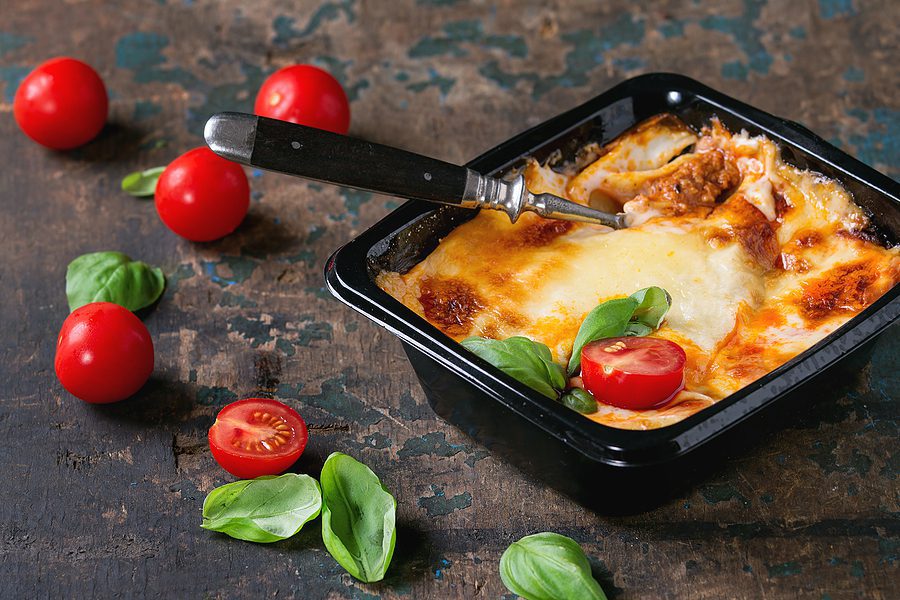
These are not frozen dinners or mass-produced grocery items. Instead, they are chef-prepared versions of a restaurant’s most popular dishes, packaged fresh, chilled, and ready for customers to take home and reheat at their convenience.
Meeting Consumers Where They Are
Today’s consumer is looking for three things: value, convenience, and quality. Traditionally, restaurants have delivered on quality but struggled to compete with grocery stores and meal kits on price and convenience. Prepacked meals offer a way to bridge that gap.
By offering ready-to-heat options at a lower price point than dine-in meals, restaurants can appeal to customers who may have cut back on dining out but still want restaurant-quality food. A family that might hesitate to spend $60 to dine out may feel comfortable spending $25–$30 on multiple prepackaged meals that can be enjoyed over several days.
This shift allows restaurants to stay relevant in a changing market without sacrificing their brand identity.
Turning the Kitchen into a Revenue Engine
One of the biggest advantages of prepacked meals is operational efficiency. Traditional restaurant service is time-sensitive and labor-intensive. Every dish must be prepared and served within a narrow window, often during peak hours when kitchens are under the most pressure.
Prepacked meals change that dynamic.
Instead of preparing every dish to order, kitchens can produce popular items in batches during slower periods. This enables better labor management, reduced stress during peak periods, and more consistent output. A single production run can generate dozens of meals that can be sold over multiple days.
This approach effectively transforms the kitchen into a hybrid operation—part restaurant, part food production facility—maximizing the use of both labor and equipment.
Increasing Average Ticket Size
Another significant benefit is the opportunity to increase the average transaction value. When customers come in for takeout or delivery, they are typically focused on a single meal. However, when presented with prepackaged options, they are more likely to add additional items for later use.
For example, a customer picking up dinner might also purchase:
- A second meal for the next day
- A container of soup or sauce
- A dessert to enjoy later
This incremental purchasing behavior can significantly boost revenue without requiring additional table turns or increased staffing.
Reducing Food Waste and Improving Margins
Food waste is a persistent challenge in the restaurant industry. Ingredients that are not used in time can quickly become losses, cutting into already tight margins.
Prepacked meals provide a practical solution. By incorporating surplus ingredients into batch-prepared dishes, restaurants can extend the lifecycle of their inventory. Instead of discarding unused products, they can be transformed into sellable items with a longer shelf life.
This not only reduces waste but also improves overall food cost percentages, making the operation more financially sustainable.
Choosing the Right Menu Items
Not every dish is suitable for prepacking and reheating. Success depends on selecting items that maintain their quality after being chilled and reheated.
Dishes that tend to perform well include:
- Pasta dishes such as lasagna and baked ziti
- Rice-based meals like fried rice or jambalaya
- Braised meats and slow-cooked entrees
- Soups, stews, and chili
- Breakfast items like egg bakes or burritos
On the other hand, items that rely on crisp textures or delicate preparation—such as fried foods or certain seafood dishes—may not translate well to this format.
Careful menu selection is essential to ensure that customers have a positive experience and are encouraged to purchase again.
The Importance of Packaging and Presentation
Presentation plays a critical role in customer perception. Even if the food is high quality, poor packaging can undermine confidence and reduce repeat purchases.
Restaurants should invest in:
- Durable, microwave-safe containers
- Airtight sealing to preserve freshness
- Clear labeling with reheating instructions and dates
A well-designed package communicates professionalism and reinforces the idea that the product is safe, convenient, and worth the purchase.
Pricing Strategy: Balancing Value and Profit
Pricing prepackaged meals requires a different approach than traditional menu pricing. These items should be positioned as a value offering, but they must still deliver strong margins.
Because they are produced in batches and require less labor per unit, restaurants can afford to offer them at a lower price point while maintaining profitability. The goal is to encourage volume sales and repeat purchases rather than maximize profit per transaction.
Bundles and multi-meal discounts can further enhance this strategy, making it more attractive for customers to buy in larger quantities.
Building Customer Loyalty Through Convenience
Prepacked meals also create an opportunity to build deeper relationships with customers. By offering convenient, high-quality options that fit into busy lifestyles, restaurants can become a regular part of their customers’ routines.
This opens the door to additional strategies such as:
- Weekly meal packages
- Subscription-style offerings
- Family meal bundles
These recurring revenue models provide greater predictability and stability, which is especially valuable in an uncertain economic climate.
Marketing the Concept Effectively
Introducing prepacked meals requires clear communication. Customers need to understand what the product is, how it works, and why it offers value.
Effective messaging might include:
- “Chef-prepared meals ready when you are”
- “Take home your favorites and enjoy anytime”
- “Restaurant-quality meals at a fraction of the cost”
Promotion can be integrated into existing channels, including in-store signage, online ordering platforms, email campaigns, and social media. Staff should also be trained to mention these options during customer interactions.
Navigating Food Safety and Compliance
Food safety is a critical consideration when offering prepacked meals. Proper handling, cooling, and storage procedures must be followed to ensure compliance with health regulations.
Restaurants should implement:
- Rapid cooling techniques for cooked foods
- Accurate labeling with preparation and expiration dates
- Clear reheating instructions for customers
Maintaining high standards in this area is essential to protect both customers and the restaurant’s reputation.
A Strategic Advantage in a Competitive Market
The St. Louis restaurant scene is highly competitive, with operators constantly looking for ways to stand out. Prepacked meals offer a unique opportunity to differentiate while addressing current market challenges.
Restaurants that adopt this model early and execute it well can position themselves as innovative, customer-focused, and adaptable. This not only drives immediate revenue but also strengthens long-term brand equity.
Looking Ahead: A Sustainable Growth Opportunity
While prepackaged meals may initially be introduced in response to economic pressures, they can become a permanent and profitable part of a restaurant’s business model.
As consumer habits continue to evolve, convenience and flexibility will remain key drivers of purchasing decisions. Restaurants that embrace these trends and adapt their offerings accordingly will be better equipped to thrive in the years ahead.
Final Thoughts
Prepacked, ready-to-heat meals are more than just a trend—they represent a strategic shift in how restaurants can operate and generate revenue. By aligning with consumer needs, improving operational efficiency, and expanding their product offerings, restaurants in St. Louis can create new growth opportunities.
For operators willing to invest the time and effort into doing it right, this approach could prove to be one of the most impactful innovations in today’s restaurant industry.
© 2025 – St. Louis Media, LLC d.b.a. St. Louis Restaurant Review. All Rights Reserved. Content may not be republished or redistributed without express written approval. Portions or all of our content may have been created with the assistance of AI tools, such as Gemini or ChatGPT, and are reviewed by our human editorial team. For the latest restaurant news and reviews, head to St. Louis Restaurant Review.

Martin Smith is the founder and Editor-in-Chief of St. Louis Restaurant Review, STL.News, USPress.News, and STL.Directory. He is a member of the United States Press Agency (ID: 31659) and the US Press Agency.