
Ramen has grown from a simple noodle soup into one of the most famous dishes in the world. This article explores the history of ramen, its evolution in Japan, and why it has become a global culinary favorite. Discover how this humble noodle dish transformed into an international food phenomenon loved by millions.
Introduction: From Humble Noodles to a Global Sensation
ST. LOUIS, MO (StLouisRestaurantReview) Few dishes in the world have experienced the rise in popularity that ramen has. What began as a simple bowl of noodles served in broth has evolved into a cultural icon recognized across continents. Today, ramen restaurants can be found in cities from Tokyo to New York, Paris, London, and even St. Louis.
Ramen represents more than just comfort food. It reflects culinary innovation, cultural exchange, and the ability of a simple dish to evolve over generations. From street stalls in Japan to high-end restaurants around the world, ramen has become one of the most beloved noodle dishes ever created.
Understanding how ramen became so popular requires exploring its origins, its transformation in Japan, and its journey across the globe.
The Origins of Ramen
The roots of ramen are in China, where wheat noodles served in broth have been consumed for centuries. Chinese immigrants who settled in Japan during the late nineteenth century introduced noodle soups that resembled what we now recognize as ramen.
These early noodle dishes were commonly served in port cities where Chinese communities had established themselves. Japanese cooks began adapting the recipe to suit local tastes, gradually transforming the dish into something uniquely Japanese.
By the early twentieth century, noodle soup vendors had begun selling ramen in small food stalls across Japan. These stalls offered an affordable and filling meal for workers and travelers.
The dish quickly gained popularity because it was inexpensive, satisfying, and easy to prepare.
Ramen After World War II
Ramen’s popularity grew dramatically after World War II. Japan faced food shortages and economic hardship during this period, and affordable meals were in high demand.
American wheat imports made flour more widely available, allowing noodle production to increase. Food vendors began selling ramen across cities and neighborhoods, offering a cheap, filling meal for workers rebuilding the country.
Street stalls serving ramen became a common sight in Japanese cities. The dish became a staple for people who needed quick, affordable food after long workdays.
This period helped establish ramen as one of Japan’s most recognizable comfort foods.
The Invention of Instant Ramen
One of the most important moments in ramen’s history occurred in 1958 when instant ramen was introduced. This invention revolutionized the way people consumed noodle soup.
Instant ramen allowed anyone to prepare a bowl of noodles within minutes using hot water. The product quickly spread throughout Japan and later around the world.
Instant ramen became especially popular among students, travelers, and busy workers who needed convenient meals. It also helped introduce ramen to people who had never experienced the traditional dish.
Today, billions of servings of instant ramen are consumed worldwide every year.
Regional Styles of Ramen in Japan
As ramen evolved in Japan, different regions began developing their own unique styles. These variations reflect local ingredients, cultural preferences, and culinary creativity.
Some of the most famous ramen styles include:
Tonkotsu Ramen
Originating in southern Japan, tonkotsu ramen features a rich broth made from pork bones simmered for hours. The result is a creamy, deeply flavorful soup served with noodles, pork slices, and toppings such as green onions and eggs.
Shoyu Ramen
Shoyu ramen uses a soy sauce-based broth that delivers a savory and slightly salty flavor. This style is often associated with Tokyo and is considered one of the classic ramen varieties.
Miso Ramen
Developed in northern Japan, miso ramen incorporates fermented soybean paste into the broth. This gives the soup a bold and hearty flavor that pairs well with vegetables and pork.
Shio Ramen
Shio ramen is known for its lighter broth seasoned with salt. It highlights the natural flavors of the ingredients and often includes seafood-based broths.
These regional styles demonstrate how ramen has evolved into a versatile dish capable of endless variations.
The Art of Making Ramen
Although ramen may appear simple, creating a great bowl requires skill and patience. The process often involves several components, each prepared with precision.
The broth is typically the foundation of the dish and can take hours or even days to prepare. Chefs carefully simmer bones, vegetables, and seasonings to develop complex flavors.
Noodles are another crucial element. Many ramen shops make their noodles fresh, ensuring the perfect texture to complement the broth.
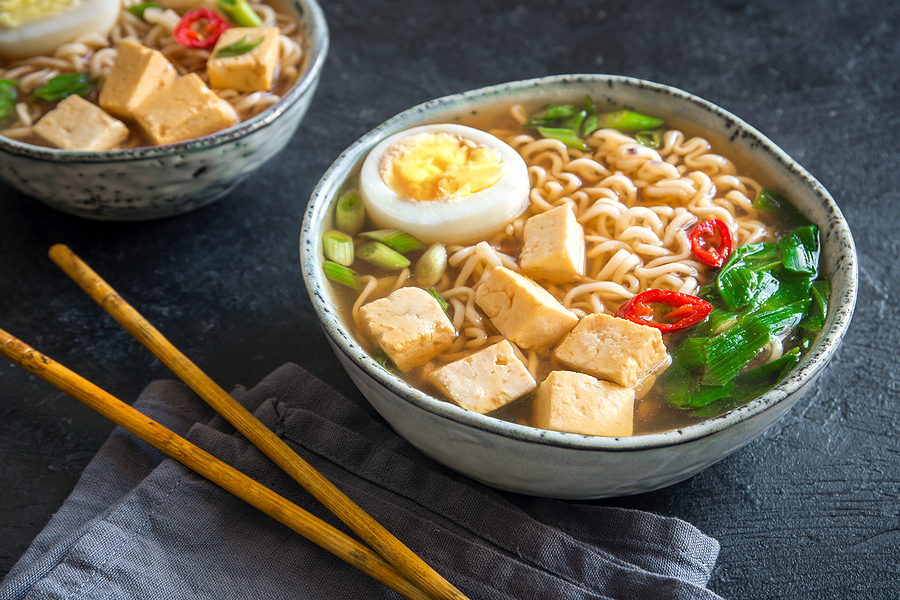
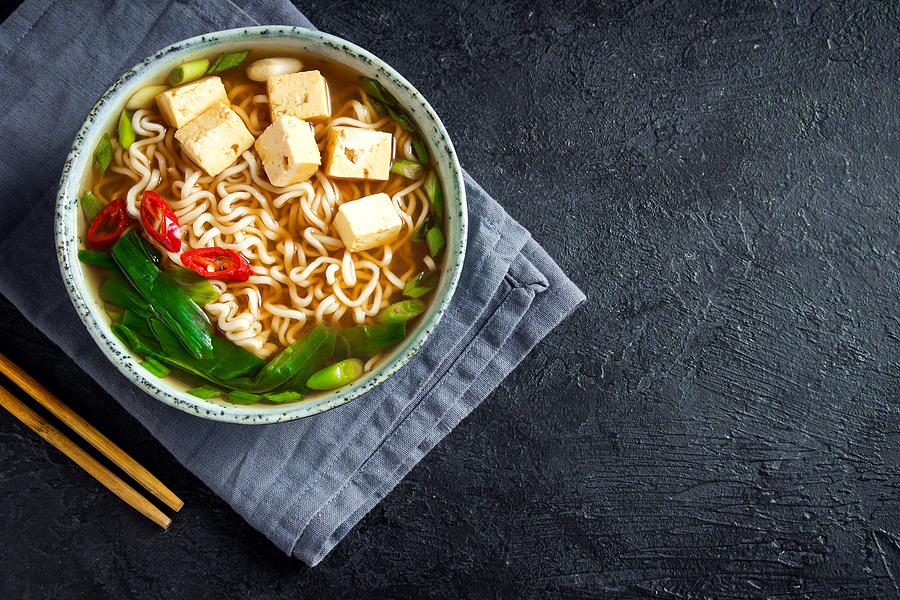
Toppings such as sliced pork, soft-boiled eggs, seaweed, bamboo shoots, and green onions add additional layers of flavor and visual appeal.
The balance between broth, noodles, and toppings is what transforms ramen into a culinary masterpiece.
Ramen’s Rise Around the World
During the late twentieth century, ramen began spreading beyond Japan. Japanese restaurants opened in major cities around the world, introducing international diners to the dish.
Food enthusiasts quickly embraced ramen for its bold flavors, comforting warmth, and endless customization.
Television shows, travel documentaries, and social media also played roles in expanding ramen’s popularity. Food lovers began seeking out authentic ramen shops and sharing their experiences online.
Today, ramen restaurants exist across Europe, North America, Australia, and many parts of Asia.
Ramen in the United States
In the United States, ramen has evolved from a niche dish into a mainstream favorite. Cities such as Los Angeles, New York, and Chicago became early hubs for ramen culture.
American chefs began experimenting with traditional recipes while introducing new ingredients and techniques. This led to creative variations that blend Japanese traditions with local culinary influences.
Ramen festivals, pop-up restaurants, and specialty noodle shops now appear in cities across the country.
For many Americans, ramen has become a go-to comfort food that offers both familiarity and adventure.
Why Ramen Became So Popular
Several factors explain ramen’s global appeal.
First, it is deeply satisfying. The combination of warm broth, chewy noodles, and savory toppings creates a comforting meal.
Second, ramen is adaptable. Chefs can modify the dish with different broths, proteins, vegetables, and seasonings.
Third, ramen offers visual appeal. A beautifully presented bowl with vibrant toppings attracts diners and photographers alike.
Finally, ramen carries cultural significance. For many people, it represents Japanese culinary heritage and craftsmanship.
These elements have helped ramen maintain its status as one of the most beloved dishes in the world.
Ramen as a Cultural Symbol
In Japan, ramen is more than food. It is part of everyday life and national identity.
Entire museums are dedicated to the history of ramen. Festivals celebrate regional varieties, and passionate fans travel across the country in search of the perfect bowl.
Ramen shops often specialize in a particular style and devote years to perfecting their recipes.
This dedication to craftsmanship has elevated ramen from street food to culinary art.
The Future of Ramen
As global interest in international cuisine continues to grow, ramen is likely to remain one of the most popular noodle dishes worldwide.
New ramen shops continue to open, and chefs constantly experiment with innovative flavors and techniques.
Some restaurants focus on traditional recipes while others create modern interpretations that reflect contemporary tastes.
Regardless of the approach, ramen’s ability to evolve while maintaining its cultural roots ensures its continued popularity.
Final Thoughts
Ramen’s journey from a simple noodle soup to a worldwide culinary phenomenon is a remarkable story. Influenced by Chinese noodle traditions and perfected in Japan, ramen has become a symbol of comfort, creativity, and cultural exchange.
Today, millions of people around the world enjoy ramen in countless forms. Whether served in a bustling Tokyo noodle shop or a neighborhood restaurant thousands of miles away, the dish continues to capture hearts with its rich flavors and satisfying warmth.
The story of ramen reminds us that even the simplest foods can become global icons when tradition, innovation, and passion come together in a single bowl.
More restaurant news stories published on St. Louis Restaurant Review – STLRR:
- Discover Authentic Dim Sum at Wonton King in University City, MO
- What Is Dim Sum and Why Is It So Popular?
- The Origins of Deep-Fried Foods
- The History of BBQ
- From Toe-Ravs to T-Ravs & Why Toasted Ravioli and Online Slots Share a Crunchy Allure
© 2025 – St. Louis Media, LLC d.b.a. St. Louis Restaurant Review. All Rights Reserved. Content may not be republished or redistributed without express written approval. Portions or all of our content may have been created with the assistance of AI tools, such as Gemini or ChatGPT, and are reviewed by our human editorial team. For the latest restaurant news and reviews, head to St. Louis Restaurant Review.

Martin Smith is the founder and Editor-in-Chief of St. Louis Restaurant Review, STL.News, USPress.News, and STL.Directory. He is a member of the United States Press Agency (ID: 31659) and the US Press Agency.