
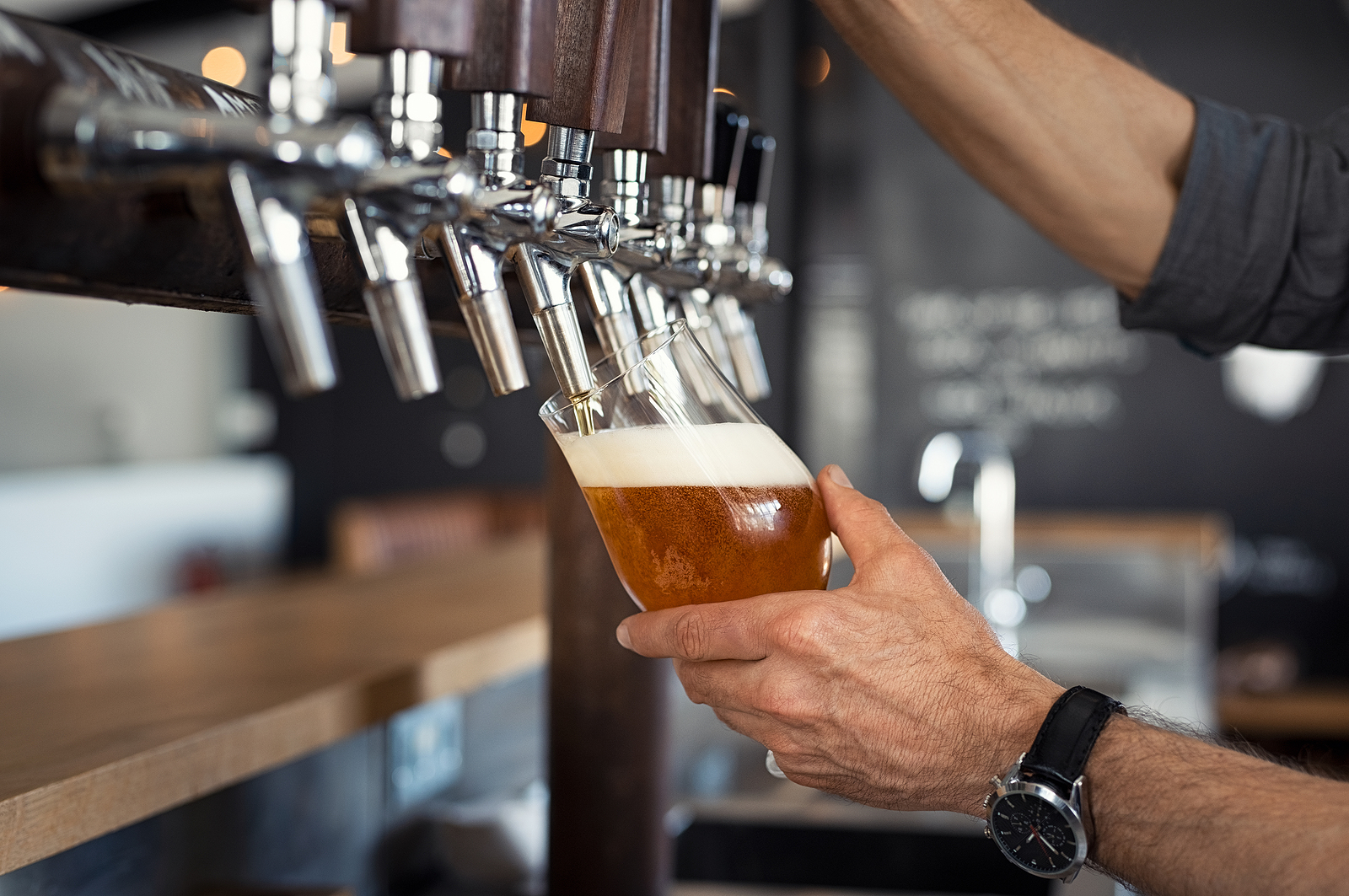

Understanding How to Apply for a Liquor License in Missouri: A Simple Guide for New and Existing Restaurants
(StLouisRestaurantReview) For restaurant owners, bar operators, and entrepreneurs preparing to open a new establishment, securing a liquor license is often one of the most important milestones in the launch process. In Missouri, the procedure is designed to be accessible, but it still requires careful attention to detail, proper documentation, and an understanding of both local and state requirements. To help new restaurateurs and expanding businesses navigate the process smoothly, St. Louis Restaurant Review offers this clear and comprehensive explanation of how to apply for a liquor license in Missouri—written in simple terms while providing in-depth insight for those preparing to serve alcohol.
Missouri remains a business-friendly state for restaurants and hospitality businesses. However, because of the responsibility associated with serving beer, wine, and spirits, the state has a well-structured approval process designed to verify business legitimacy, compliance with local laws, and proper ownership qualifications. For restaurant operators, understanding the steps can prevent delays and ensure that your business is prepared long before opening day.
Choosing the Right Type of Liquor License
The first step for any Missouri applicant is to understand which type of liquor license is required. Missouri offers different categories depending on how alcohol will be sold, where it will be consumed, and how the business is structured. Restaurants commonly choose a liquor-by-the-drink license, allowing them to serve alcoholic beverages for on-premises consumption. Bars typically apply for similar on-premises consumption licenses, while retail stores, grocery stores, and specialty stores apply for package licenses.
Additional options include:
- A Sunday sales license for businesses that want to serve or sell alcohol on Sundays.
- A catering license for off-site events.
- A temporary permit for festivals, fundraisers, or short-term special events.
Selecting the correct license type at the beginning helps ensure the rest of the application process proceeds smoothly. Many new owners underestimate the complexity of the license categories, but making the right choice early prevents delays and helps the business avoid unnecessary paperwork or confusion later.
Establishing a Legal Business Structure First
Before applying for a liquor license, a restaurant must already exist as a legal business. This means the ownership team must create a structure, such as an LLC, partnership, or corporation, and obtain a federal Employer Identification Number (EIN) and a Missouri state tax identification number.
Missouri does not issue liquor licenses to individuals operating without a formal business entity. The state requires proof that the business is legitimate and properly registered. This step is vital because the liquor license will be issued under the legal business name, and the owners listed in the business organization documents must match those listed on the liquor license application.
Local Approval: The First Official Step
One of the most important parts of the liquor license process in Missouri is understanding that local approval is required before state approval can be granted. Every city and county in Missouri maintains its own set of rules, application forms, fee structures, and review procedures. The state of Missouri will not finalize a liquor license until the applicant has passed all local requirements and obtained a local liquor license or signed approval document.
Local approval typically involves:
- Submit an application with detailed business information.
- Providing ownership documentation.
- Passing a city-level background check.
- Ensuring zoning laws allow alcohol sales at that address.
- Paying a city or county licensing fee.
- Undergoing an inspection, if required.
For restaurants located in incorporated cities such as Chesterfield, O’Fallon, Ballwin, Kirkwood, Florissant, or St. Louis, the process is handled through the local licensing office. For unincorporated areas, the county government oversees licensing. Most cities are efficient, but each has its own timeline. Restaurant owners are encouraged to apply well in advance to avoid delaying an opening or expansion.
Submitting the State Application
Once local approval is secured, the next step is to apply to the Missouri Division of Alcohol and Tobacco Control, which oversees statewide licensing. The state application must be completed accurately and thoroughly. Missing or incorrect information can cause delays, so it is important for restaurant owners to gather all documents before applying.
A typical state application includes:
- The business name and address are exactly as registered.
- Information about all owners, including addresses and identification.
- A clear, simple floor plan showing where alcohol will be stored and served.
- Proof of local approval.
- A copy of the lease or property deed.
- A sales tax number and certificate of no tax liability.
- Operating hours and business category.
- A valid photo ID for each owner or managing officer.
The state evaluates the business’s legitimacy and structure, confirms ownership information, and ensures the location complies with applicable state laws. Although the process is straightforward, accuracy is essential to prevent application rejection.
Background Checks and Ownership Verification
To maintain safety and ensure responsible alcohol sales, Missouri conducts background checks on all owners listed on the application. These checks verify identity and look for disqualifying criminal activity directly related to alcohol regulations or business integrity. Most applicants pass without issue. However, background checks are required for every owner, partner, or managing officer.
For restaurants with multiple owners, it is important to ensure all individuals cooperate and provide proper identification. Delays often occur when one owner is slow to provide their paperwork. Ensuring all documentation is gathered early can significantly speed up the approval process.
Required Inspections
While not every restaurant undergoes a formal state inspection, most cities and counties conduct an on-site evaluation as part of the local approval process. This inspection usually verifies:
- Proper alcohol storage.
- Clearly marked exits.
- Safe and sanitary conditions.
- Compliance with fire and building codes.
- Clear separation between bar, kitchen, and customer areas.
Some municipalities require a second inspection after the state license is issued, ensuring the restaurant continues to meet requirements throughout its operations. These inspections are typically simple, and most restaurants pass quickly.
Paying State Licensing Fees
Missouri’s liquor license fees vary based on license type and category. Restaurant licenses often range from a few hundred to several hundred dollars per year, and additional categories, such as Sunday sales, come with additional costs. These fees must be paid in full before the license becomes active.
Although Missouri’s fees are generally considered affordable compared to many other states, restaurant owners should budget for both local and state fees, as some municipalities also charge annual renewal fees.
Final Approval and Display Requirements
After all documents are submitted, fees are paid, and background checks are completed, the state issues the liquor license. The license must be displayed clearly inside the restaurant, where customers and enforcement officers can see it. Most restaurants frame the license and place it near the front counter, service area, or host stand.
Missouri licenses must be renewed every year before July 1. Restaurants should track renewal deadlines carefully, as failing to renew can result in suspension of alcohol sales or additional late fees.
Why Understanding the Process Matters for Restaurant Owners
For many restaurants in Missouri, the ability to serve beer, wine, and mixed drinks is a significant part of daily revenue. Alcohol sales often contribute to higher profit margins compared to food alone, helping restaurants stabilize cash flow and attract a broader customer base. With so many new restaurants opening across St. Louis, understanding the licensing process ensures that operators can open on schedule and comply with state and local laws.
Additionally, because the licensing process involves multiple government offices, proper planning is essential. Restaurant owners who begin the process early avoid last-minute surprises and prevent delays tied to inspections, paperwork issues, or background verifications.
The Bottom Line
Applying for a liquor license in Missouri is a structured but manageable process. By registering a legal business entity, securing local approval, submitting a complete state application, passing background checks, and paying the required fees, restaurants across Missouri can obtain the necessary licensing to serve alcohol responsibly and legally.
Missouri’s restaurant and bar industry continues to grow, and understanding this straightforward process helps new owners, expanding operators, and long-time restaurateurs navigate their next steps with confidence. Whether launching a new dining concept or adding cocktails to an existing menu, a liquor license remains a central component of long-term success in the hospitality sector.
CLICK to download the application.
For additional information, email Marty@STLMedia.Agency or call/text 417-529-1133. Located in Chesterfield, MO.
© 2025 St. Louis Restaurant Review/St. Louis Media, LLC. All Rights Reserved. Content may not be republished or redistributed without express written approval. Portions or all of our content may have been created with the assistance of AI technologies, like Gemini or ChatGPT, and are reviewed by our human editorial team. For the latest restaurant news and reviews, head to St. Louis Restaurant Review.

Martin Smith is the founder and Editor-in-Chief of St. Louis Restaurant Review, STL.News, USPress.News, and STL.Directory. He is a member of the United States Press Agency (ID: 31659) and the US Press Agency.