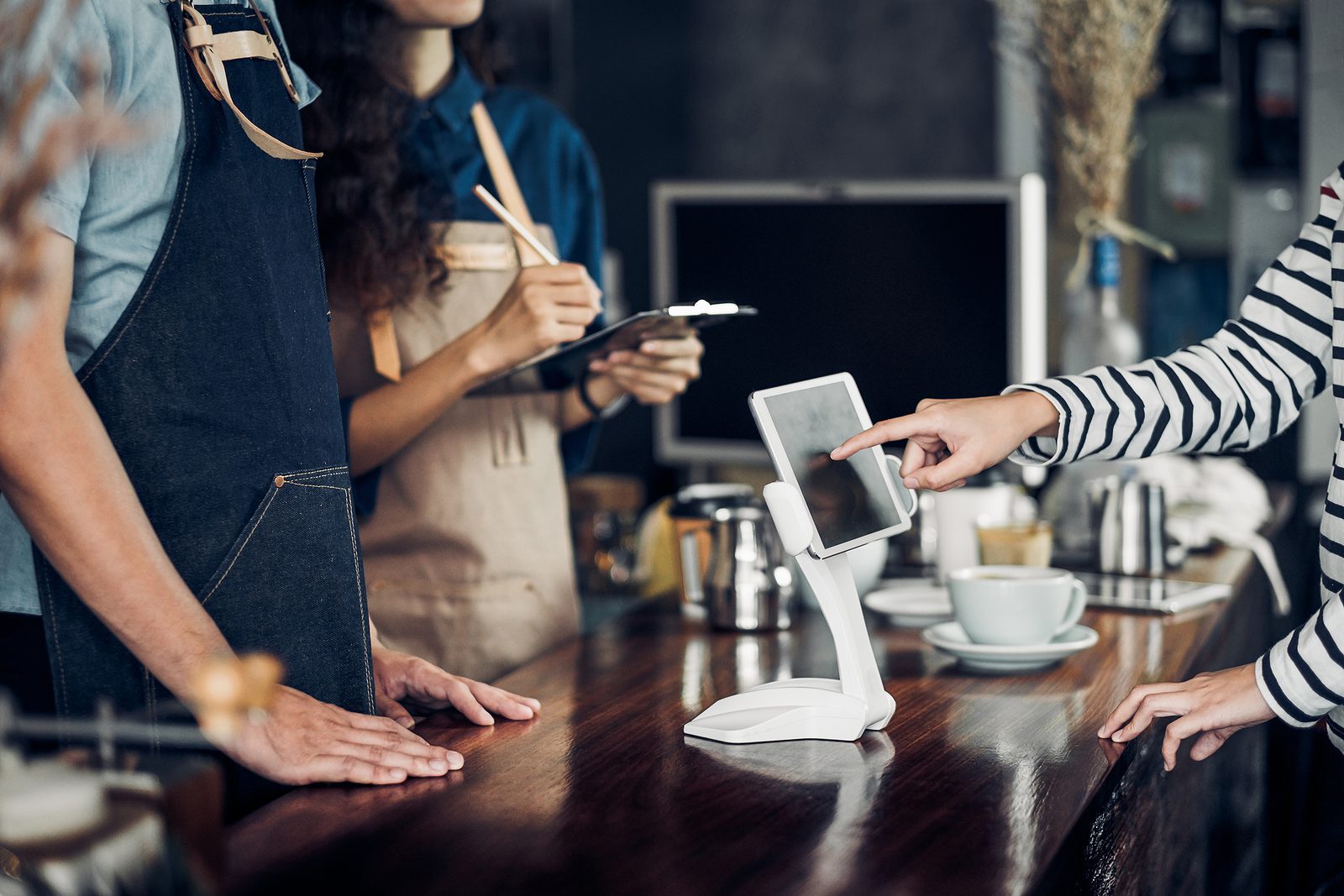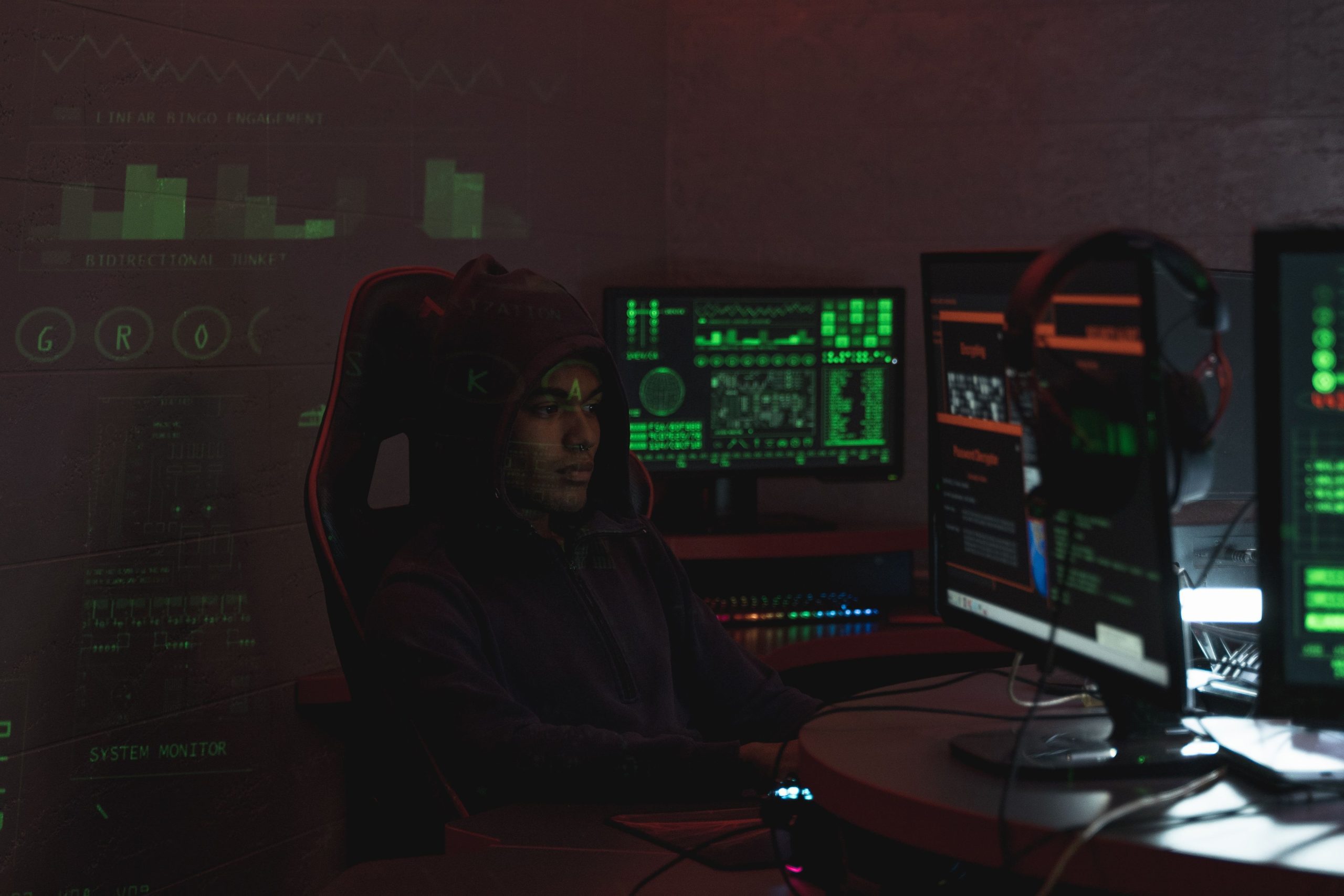
ST. LOUIS, MO – September 9, 2026 (StLouisRestaurantReview) Restaurants rely on digital systems for point-of-sale transactions, online ordering, staff scheduling, loyalty programs, and vendor payments. This convenience also creates exposure to cybersecurity risks such as malware attacks, payment scams, and phishing.
Could your restaurant keep operating if its payment system, email, or customer data were suddenly locked or stolen? One mistake can cost you a day’s revenue and your customers’ trust. However, most restaurant owners treat cybersecurity like an IT problem.
Cybersecurity risks are a survival problem. You don’t need to be a security expert to care. To protect your business, start by understanding the specific threats that may affect you.
Malware and Ransomware Attacks
Malware can infect office computers, POS terminals, tablets, and other connected devices. These attacks happen through:
- Fake emails
- Unsafe downloads
- Outdated software
Ransomware can lock essential files and systems until it demands payment. You avoid these attacks by keeping software current, maintaining secure backups, and using reputable device protection.
You avoid these attacks by keeping software current, maintaining secure backups, and using reputable device protection. A free antivirus tool can provide a useful baseline for individual devices, though restaurants handling payment data may need more comprehensive business security controls.
Employee Account Misuse and Insider Threats
Not every cybersecurity incident begins with an outside hacker. Employees may accidentally:
- Expose information
- Click phishing links
- Reuse weak passwords
- Retain system access after leaving the business
Reports on Yahoo show an increase in malicious insider incidents in the first half of 2026. This increase shows why access controls deserve close attention. Give employees access only to the platforms and information required for their roles.
Fake Invoices and Payment Scams
Restaurants process a steady flow of supplier invoices, equipment bills, payroll requests, and service charges. Criminals exploit that routine by sending invoices that look legitimate. They may also impersonate a familiar vendor and request a change in payment details.
The FBI reported that cybercrime led to about $21 billion in reported losses in 2025. This number shows how financially damaging digital fraud has become for organizations and individuals alike. To reduce exposure, follow an independent verification step before changing a vendor’s bank details or approving an unusual payment.
Phishing and Business Email Compromise
Phishing messages are designed to trick employees into opening malicious links. A business email compromise attack may appear to come from an owner, accountant, supplier, or delivery platform. They often use urgency to pressure the recipient.
Restaurant teams are especially vulnerable during busy service periods. When you get a message requesting immediate payment or a password reset during a busy time, you won’t scrutinize it as closely. Train your staff to pause before responding to unexpected requests.
Unsecured Wi-Fi, POS, and Online Ordering Systems
Guest Wi-Fi, payment terminals, online ordering portals, and third-party delivery integrations can create weak points if they aren’t properly configured. A guest network should never provide a route into systems that:
- Process your payments
- Store your employee records
- Manage your restaurant finances
Separate guest Wi-Fi from business networks and change default router passwords to protect yourself. You should also apply updates to POS equipment and online ordering tools promptly. Additionally, reduce administrative access to trusted personnel only.
How Can Cybersecurity Attacks Disrupt Restaurant Operations?
Cybersecurity attacks directly threaten your restaurant’s ability to serve customers, pay staff, and keep the lights on. Here is why these threats deserve your immediate attention:
- Freezes point-of-sale systems: You can’t process credit cards, accept cash, or even print receipts.
- Steals customer payment data: It can capture card numbers and personal details, leading to fraud.
- Disrupts online ordering and delivery platforms: Infected systems can take your website offline or redirect orders.
- Locks you out with ransomware: Attackers encrypt your reservation data, employee schedules, inventory records, and financial files, shutting down operations.
For restaurants, the cost of malware goes beyond the ransom or cleanup fees. It also erodes customer loyalty, invites regulatory fines, and can take months to recover from. When you secure your digital infrastructure, you protect your restaurant.
What Cybersecurity Habits Should Every Restaurant Adopt?
The strongest defenses are often routine operational habits that make attacks harder to carry out and easier to detect. As a restaurant owner, you don’t need to become cybersecurity specialists. However, you need a clear process for managing your systems, accounts, and data.
Here is what you can do:
- Restrict access to sensitive systems
- Separate guest Wi-Fi from business networks
- Use unique, long passwords and multifactor authentication
- Back up critical business data and periodically test whether you can restore it
- Limit employee permissions and remove accounts immediately when staff leaves
- Apply software and device updates promptly, including updates for routers and POS equipment.
These habits are increasingly necessary as cyber threats evolve faster than many businesses can hire specialized help. The University of San Diego’s 2026 cybersecurity statistics show that the United States has approximately 515,000 cybersecurity job openings.
Should My Restaurant Hire a Cybersecurity Expert?
Yes, you should. The complexity of cybersecurity risks reinforces why small businesses may need to combine in-house procedures with trusted outside technical support.
When you hire, choose a qualified person. Also, have a written cybersecurity checklist. It’ll protect your restaurant during turnover, expansion, and busy seasons.
Protect Your Restaurant from Cybersecurity Risks
Cybersecurity risks can ruin your restaurant business. With the world going digital, attacks like malware, phishing, and online payment scams are on the rise. You can protect your business by investing in expertise that supports convenient ordering, payments, and communication.
If you can secure your devices, verify financial requests, limit account access, and prepare your staff, you can reduce disruption without sacrificing service. Explore our featured stories and discover the stories behind St. Louis’s best restaurants.

Martin Smith is the founder and Editor-in-Chief of St. Louis Restaurant Review, STL.News, USPress.News, and STL.Directory. He is a member of the United States Press Agency (ID: 31659) and the US Press Agency.