DoorDash Supply Club Expands Into Restaurant Operations: Benefits, Risks, and What It Means for Operators
DoorDash Supply Club is a new program designed to help restaurants order supplies quickly with delivery and discounts.
While it offers convenience and time savings, questions remain about pricing, long-term costs, and platform dependency.
Here’s a balanced look at the pros and cons of this growing restaurant supply solution.
A New Layer in the Restaurant Ecosystem
(StLouisRestaurantReview) – DoorDash Supply Club – DoorDash has steadily evolved from a food delivery service into a broader platform serving restaurants in multiple ways. Its latest offering, Supply Club, represents a significant step in that evolution. Rather than simply delivering meals to customers, DoorDash is now positioning itself as a partner in restaurant operations by helping businesses source the supplies they need to function day-to-day.
The idea is simple: allow restaurants to order food, paper goods, and other essentials through the same platform they already use for delivery, and have those items delivered quickly—often within hours. On the surface, it appears to be a natural extension of the convenience economy that has reshaped consumer behavior.
But like many platform-driven solutions, the reality is more nuanced.
How DoorDash Supply Club Works
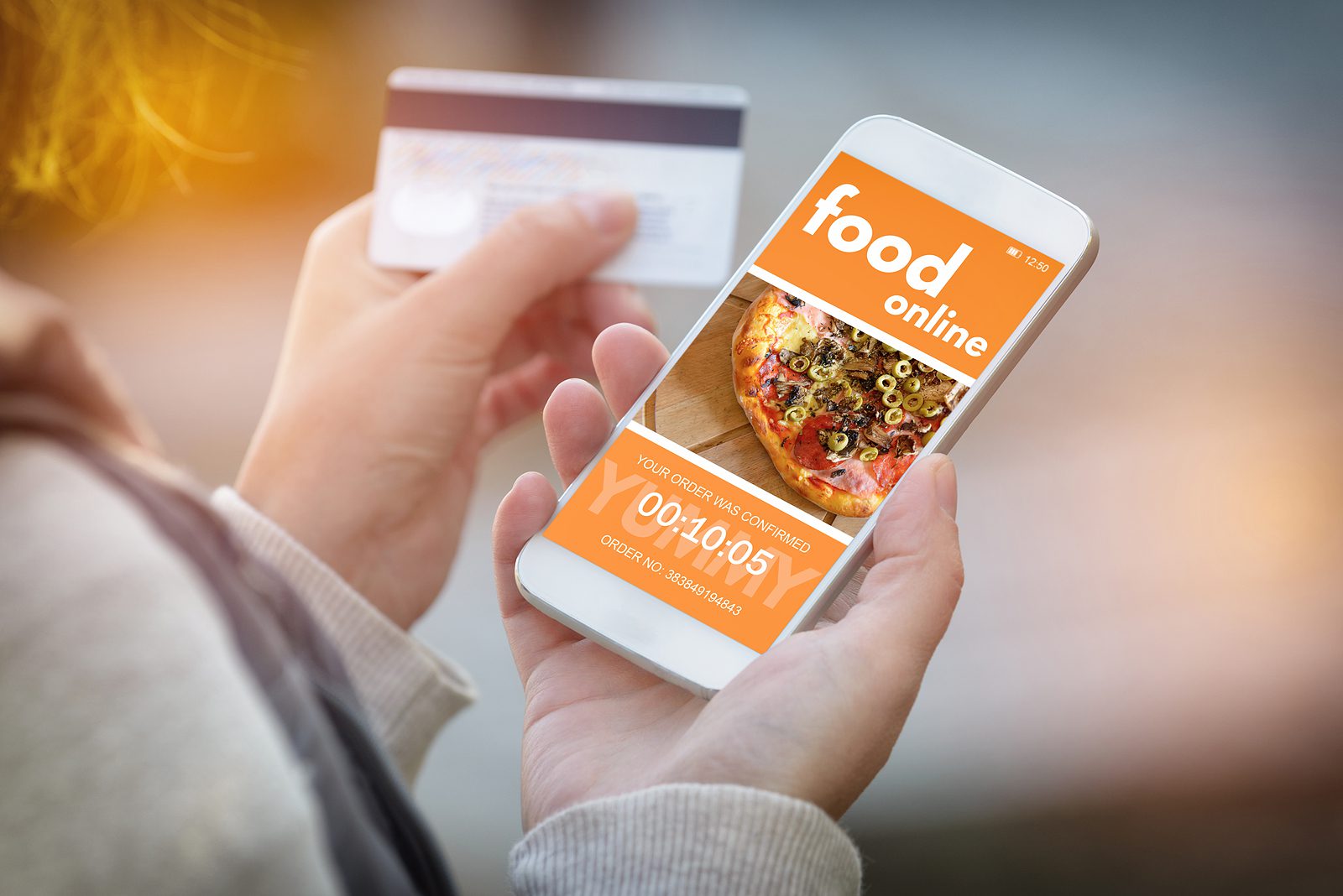
The Supply Club program is designed for restaurants that already operate within the DoorDash ecosystem. Through the platform, businesses can browse participating suppliers and retailers, place orders for supplies, and have those items delivered by DoorDash drivers.
The system integrates directly into the existing DoorDash interface, allowing restaurant operators to manage both customer orders and supply orders from a single environment. Discounts, delivery perks, and occasional promotional offers are built into the program, creating an incentive for restaurants to shift some of their purchasing activity onto the platform.
In many ways, it transforms DoorDash from a service provider into a central hub for multiple aspects of restaurant operations.
The Benefits: Where DoorDash Supply Club Delivers Value
Speed and Convenience
One of the most compelling advantages of DoorDash Supply Club is speed. Restaurants that run out of key items during a busy shift can place an order and receive supplies within hours. In an industry where timing can directly impact revenue, this level of responsiveness can be critical.
Rather than sending staff to pick up items or waiting for the next scheduled delivery from a distributor, operators can resolve shortages almost immediately. This can prevent lost sales, maintain service quality, and reduce operational stress.
Reduced Labor Burden
Time is one of the most valuable—and limited—resources in the restaurant business. Supply Club allows managers and staff to avoid time-consuming supply runs, keeping their focus on customers and operations.
For smaller restaurants in particular, where staffing levels are often tight, eliminating even a few hours of off-site errands can translate into meaningful efficiency gains.
Flexibility for Smaller Operators
Independent restaurants and smaller operations may not always meet the minimum order requirements of large distributors. Supply Club offers a more flexible alternative, allowing businesses to order smaller quantities without the constraints of bulk purchasing agreements.
This flexibility can be especially helpful for new restaurants, seasonal operations, or those experimenting with menu changes that require varied inventory.
Integrated Experience
By combining delivery, ordering, and supply purchasing into a single platform, DoorDash simplifies the operational workflow. For some restaurant owners, the ability to manage multiple functions in one place is appealing and can reduce the complexity of running the business.
The Drawbacks: Where Concerns Begin
Higher Per-Unit Costs
While Supply Club offers discounts and promotions, it generally operates at pricing levels closer to retail than wholesale. This means that, over time, the cost per item can be higher than what restaurants would pay through traditional distributors.
For high-volume items or core inventory, these price differences can significantly impact profit margins. What appears convenient in the short term may become costly when used as a primary supply channel.
Lack of Bulk Pricing Advantages
Established distributors such as Sysco and US Foods have long provided restaurants with volume-based pricing, contract discounts, and predictable delivery schedules. These systems are designed for scale and efficiency.
Supply Club, by contrast, is not structured to compete with large-scale purchasing. It works best for smaller, immediate needs rather than consistent, high-volume supply management.
Inconsistent Availability
Because Supply Club relies on local retail partners and store inventory, product availability can vary. Unlike traditional suppliers that maintain dedicated supply chains for restaurants, the platform is dependent on what is in stock at participating locations.
This can create uncertainty for operators who rely on consistent access to specific items.
Platform Dependency
One of the more significant concerns is the growing dependence on a single platform. As DoorDash expands its role beyond delivery into supply management, it becomes increasingly embedded in a restaurant’s day-to-day operations.
This raises important questions about long-term control, pricing power, and data ownership. The more a restaurant relies on a single platform for multiple functions, the more difficult it becomes to diversify or switch providers.
DoorDash Supply Club – A Strategic Tool, Not a Full Replacement
For most restaurants, Supply Club is unlikely to replace traditional suppliers. Instead, it functions best as a supplementary tool—useful for emergencies, last-minute needs, and smaller purchases.
Restaurants that rely on it for all their supply needs may find that the convenience comes at a cost that outweighs the benefits. On the other hand, when used strategically, it can enhance operational flexibility and reduce disruptions.
DoorDash Supply Club – What This Means for the Industry
The introduction of Supply Club signals a broader trend in the restaurant industry: the consolidation of services into unified platforms. Companies like DoorDash are seeking to expand their role from transactional service providers to comprehensive operational partners.
This shift could reshape how restaurants manage everything from customer orders to supply chains. It also highlights the increasing importance of technology in an industry that has traditionally relied on personal relationships and localized networks.
Final Takeaway
DoorDash Supply Club is a practical solution for certain challenges faced by modern restaurants, particularly those related to speed, convenience, and flexibility. It offers real value in the right situations, especially for independent operators and short-term needs.
However, it is not a one-size-fits-all answer. Higher costs, limited bulk advantages, and the risk of platform dependency are important considerations that restaurant owners must weigh carefully.
In the end, the program reflects a larger shift in the industry—one where convenience is king, but long-term strategy still matters. Restaurants that understand how to balance both will be in the strongest position to succeed.
More Restaurant Business News published on St. Louis Restaurant Review – STLRR:
- St. Louis Restaurant Review Launches Restaurant Stock Index to Track Industry Performance
- The State of the Restaurant Industry
- eOrderSTL Is Transforming How Restaurants Grow in St. Louis
- St. Louis Restaurants Are Expanding—But Many Are Still Failing
- Why Prepacked, Ready-to-Heat Meals Could Be a Game-Changer
STL.News published a similar article. CLICK to read.
© 2026 – St. Louis Media, LLC d.b.a. St. Louis Restaurant Review. All Rights Reserved. Content may not be republished or redistributed without express written approval. Portions or all of our content may have been created with the assistance of AI tools, such as Gemini or ChatGPT, and are reviewed by our human editorial team. For the latest restaurant news and reviews, head to St. Louis Restaurant Review.

Martin Smith is the founder and Editor-in-Chief of St. Louis Restaurant Review, STL.News, USPress.News, and STL.Directory. He is a member of the United States Press Agency (ID: 31659) and the US Press Agency.