The State of the Restaurant Industry: From Pre-COVID Stability to Post-Pandemic Survival and the Uncertain Road Ahead
An Industry That Defined Everyday Life
ST. LOUIS, MO (StLouisRestaurantReview) The restaurant industry has always been more than just a place to eat. It represents culture, community, entrepreneurship, and economic activity all in one. For decades, restaurants served as gathering places for families, business meetings, celebrations, and daily routines.
Before 2020, the industry was widely considered stable, predictable, and deeply embedded in American life. But what followed over the next few years would permanently change how restaurants operate, how consumers behave, and how profitability is achieved.
Today, the restaurant industry is still standing—but it is fundamentally different.
Before COVID-19: Growth Built on Fragile Foundations
In the years leading up to the pandemic, the restaurant industry experienced steady growth. New restaurants opened at a rapid pace, especially in urban and suburban areas. Dining out became a regular habit for millions of Americans, driven by busy lifestyles and a growing desire for convenience.
However, beneath that growth was a fragile business model.
Most restaurants operated with extremely tight profit margins. Even successful establishments often made only a small percentage of profit after covering labor, rent, food costs, utilities, and insurance. This meant that restaurants were highly sensitive to any disruption, even minor ones.
At the same time, competition was intense. In many markets, there were simply too many restaurants competing for the same customers. While demand was strong, it was spread across a crowded field.
Labor was another ongoing challenge. Turnover rates were high, and restaurants constantly struggled to recruit and retain workers. Despite this, staffing levels were generally sufficient to keep operations running smoothly.
Technology existed, but it was not central to the business. Online ordering and delivery services were growing, but they were not the primary focus. Most restaurants still depended heavily on dine-in traffic.
The system worked—but only because conditions were relatively stable.
The COVID-19 Collapse: A Sudden and Unforgiving Shock
When the COVID-19 pandemic struck in early 2020, it delivered an immediate and devastating blow to the restaurant industry.
Dining rooms were forced to close almost overnight. Government restrictions limited capacity or shut down operations entirely. Consumers stayed home out of caution, and foot traffic disappeared.
For many restaurants, revenue dropped to near zero within days.
Unlike other industries, restaurants could not simply shift to remote work or delay operations. They still had rent to pay, utilities to cover, and perishable inventory that could not be used.
The result was widespread closures, layoffs, and financial distress. Thousands of restaurants shut down permanently, unable to survive even a few months without consistent revenue.
For those that remained open, survival required rapid adaptation.
The Pivot: Reinventing the Business Model
Restaurants that survived the pandemic did so by completely reinventing how they operated.
The Rise of Takeout and Delivery
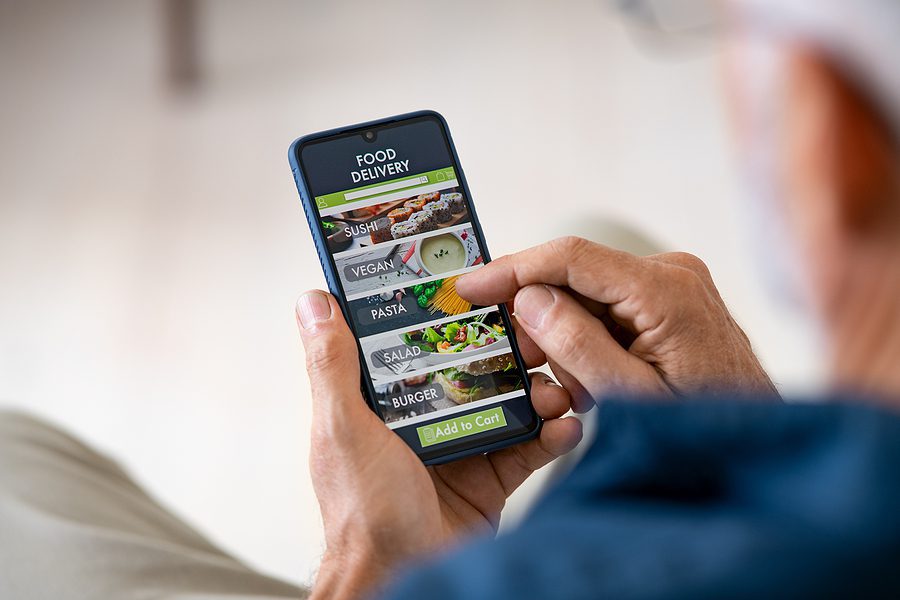
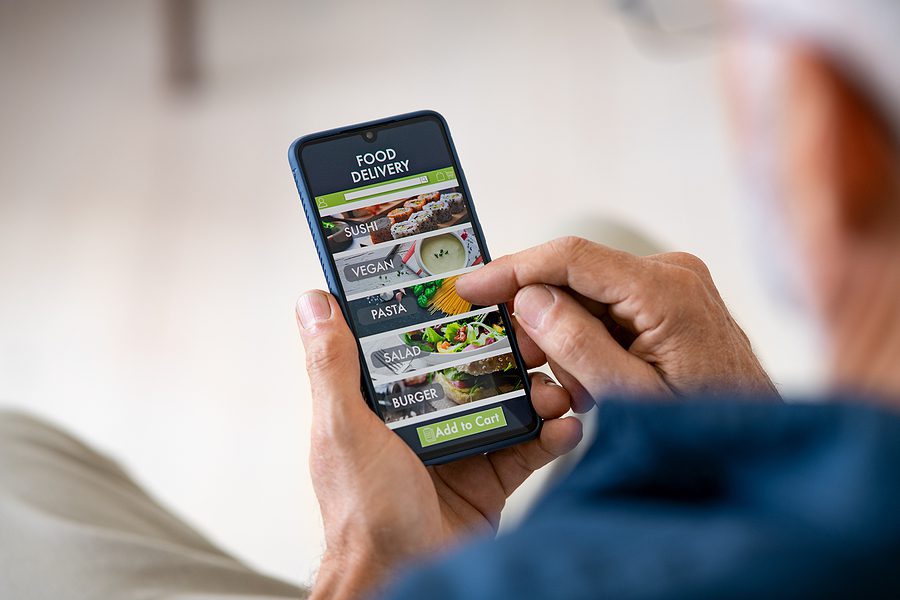
Takeout and delivery quickly became the lifeline of the industry. What was once a secondary revenue stream became the primary source of income for many restaurants.
Operators redesigned menus to travel well, adjusted pricing, and restructured kitchens to handle high volumes of off-premise orders.
Consumers also adapted. Ordering food online became routine, and convenience began to outweigh the traditional dining experience.
This shift has proven to be permanent.
The Acceleration of Technology
The pandemic forced restaurants to embrace technology at a pace that would otherwise have taken years.
Online ordering systems, mobile apps, and digital payment platforms became essential tools. QR code menus replaced printed ones, and contactless transactions became the norm.
Restaurants also began investing in systems that could improve efficiency, such as integrated point-of-sale platforms, inventory tracking, and automated scheduling tools.
Technology was no longer optional—it became the backbone of the modern restaurant.
Leaner, More Efficient Operations
To survive, many restaurants streamlined their operations.
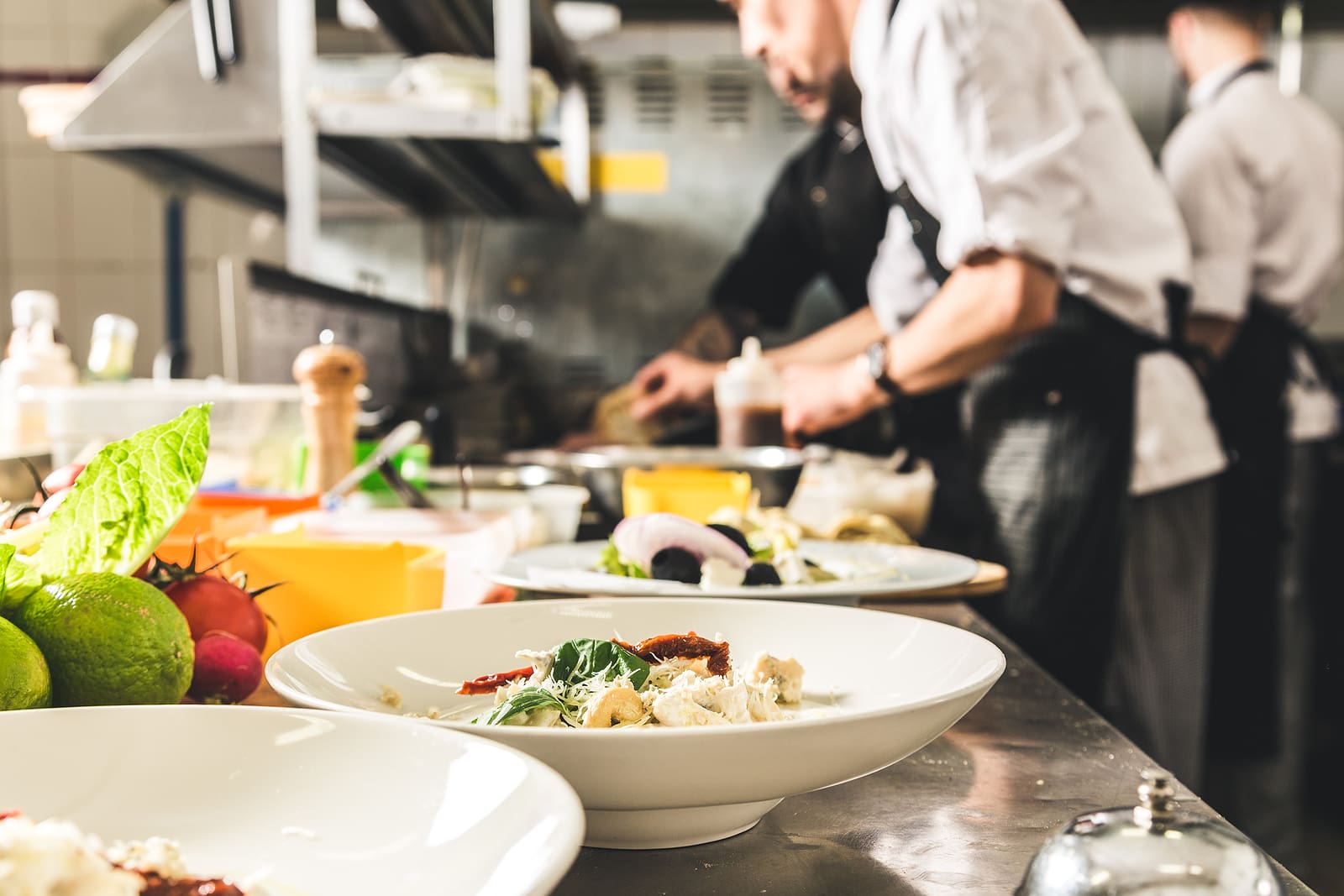
Menus were simplified to focus on high-margin and popular items. Labor was reduced to essential roles, and operating hours were adjusted to match demand.
This forced efficiency helped many businesses stay afloat, but it also revealed just how fragile the old model had been.
The Recovery: A Surge in Revenue, But Not Stability
As restrictions eased and consumer confidence began to return, the restaurant industry experienced a strong rebound in sales.
People were eager to return to restaurants, reconnect with friends and family, and enjoy experiences they had missed during the pandemic.
In many areas, demand surged beyond pre-pandemic levels.
However, this recovery came with a new set of challenges that made profitability more difficult than ever.
The Modern Challenges Facing Restaurants
Labor Shortages and Workforce Changes
One of the most significant challenges today is the labor shortage.
Many workers who left the industry during the pandemic never returned. Others shifted to jobs with more stability, better pay, or more predictable hours.
Restaurants now face:
- Difficulty hiring and retaining staff
- Increased wage expectations
- Reduced availability of experienced workers
In many cases, restaurants are forced to operate with fewer employees, which can impact service quality and limit capacity.
Rising Costs Across Every Category
Operating a restaurant has become significantly more expensive.
Food costs have increased due to inflation and supply chain disruptions. Energy costs, transportation, and packaging have all risen. Rent and insurance continue to climb in many markets.
These rising expenses have put pressure on already thin profit margins.
While restaurants have attempted to raise prices to offset these costs, there is a limit to what customers are willing to pay.
The Price Sensitivity of Consumers
Today’s consumers are more cautious with their spending.
Economic uncertainty, inflation, and higher living costs have made people more selective about when and where they dine out.
Many customers are:
- Dining out less frequently
- Choosing lower-priced menu items
- Looking for discounts or promotions
This shift has created a difficult balancing act for restaurants, which must maintain profitability without driving customers away.
The Impact of Delivery and Third-Party Platforms
While delivery services helped restaurants survive during the pandemic, they have also created long-term challenges.
High fees associated with third-party platforms can significantly reduce profit margins. Additionally, restaurants often lose direct access to customer data, making it harder to build relationships and repeat business.
As a result, many operators are now trying to shift customers toward direct ordering channels, where they can retain more control and revenue.
Changing Consumer Expectations
The modern diner expects more than ever before.
Convenience, speed, and digital accessibility are now just as important as food quality and service.
Customers expect:
- Easy online ordering
- Fast pickup or delivery
- Accurate and consistent experiences
- Transparent pricing
At the same time, they still value atmosphere and service when dining in, creating a dual set of expectations that restaurants must meet.
The Industry Paradox: Growth Without Profit
One of the most striking realities of today’s restaurant industry is that it is growing in revenue while many operators struggle financially.
Sales numbers may look strong, but costs have risen just as quickly—or faster.
This creates a situation in which restaurants are busier than ever yet less profitable.
For many business owners, survival now depends on careful management, efficiency, and adaptability rather than simply increasing sales.
The Future of the Restaurant Industry
Looking ahead, several key trends are likely to shape the future.
Technology Will Continue to Transform Operations
Restaurants will increasingly rely on technology to manage costs and improve efficiency.
Artificial intelligence, automation, and advanced data analytics will play a larger role in forecasting demand, managing inventory, and optimizing staffing.
Restaurants that fail to adopt these tools may struggle to compete.
Off-Premise Dining Is Here to Stay
Takeout and delivery will remain central to the business model.
Restaurants will continue to invest in systems and processes that support off-premise dining, including dedicated pickup areas, streamlined kitchens, and improved packaging.
In some cases, entirely new concepts—such as delivery-only kitchens—will become more common.
Consolidation and Competition
Larger restaurant groups and well-funded brands are gaining an advantage in the current environment.
They have greater access to capital, technology, and marketing resources, allowing them to adapt more quickly.
Independent restaurants, while still vital to local communities, may face increasing pressure to compete.
Efficiency Will Define Success
In the future, success will not be determined solely by how busy a restaurant is, but by how efficiently it operates.
Controlling costs, optimizing menus, and maintaining strong operational discipline will be critical.
Restaurants that can balance quality, value, and efficiency will have the best chance of long-term success.
Consumer Behavior Will Continue to Evolve
As economic conditions change, consumer behavior will continue to shift.
Restaurants must remain flexible and responsive, adjusting their offerings and pricing strategies to meet changing expectations.
Understanding the customer—and adapting quickly—will be more important than ever.
Final Analysis: A Transformed Industry
The restaurant industry has undergone one of the most significant transformations in modern business history.
Before the pandemic, it was an industry built on routine and predictability. Today, it is defined by change, innovation, and constant pressure.
While the challenges are significant, the industry has proven its resilience.
Restaurants have adapted, evolved, and found new ways to survive.
Conclusion: Survival, Adaptation, and Opportunity
The future of the restaurant industry will not look like its past.
Operators who embrace change, invest in technology, and focus on efficiency will continue to find opportunities, even in a challenging environment.
Those who rely on outdated models may struggle to keep up.
In the end, the restaurant industry is not disappearing—it is transforming.
And those who understand that transformation will be the ones who shape its future.
Other Restaurant Business News published on St. Louis Restaurant Review – STLRR:
- eOrderSTL Is Transforming How Restaurants Grow in St. Louis
- St. Louis Restaurants Are Expanding—But Many Are Still Failing
- Why Prepacked, Ready-to-Heat Meals Could Be a Game-Changer
- Rising Gas Prices Force Restaurants to Adapt
- Rising Gas Prices Are Draining Consumer Budgets
© 2025 – St. Louis Media, LLC d.b.a. St. Louis Restaurant Review. All Rights Reserved. Content may not be republished or redistributed without express written approval. Portions or all of our content may have been created with the assistance of AI tools, such as Gemini or ChatGPT, and are reviewed by our human editorial team. For the latest restaurant news and reviews, head to St. Louis Restaurant Review.

Martin Smith is the founder and Editor-in-Chief of St. Louis Restaurant Review, STL.News, USPress.News, and STL.Directory. He is a member of the United States Press Agency (ID: 31659) and the US Press Agency.