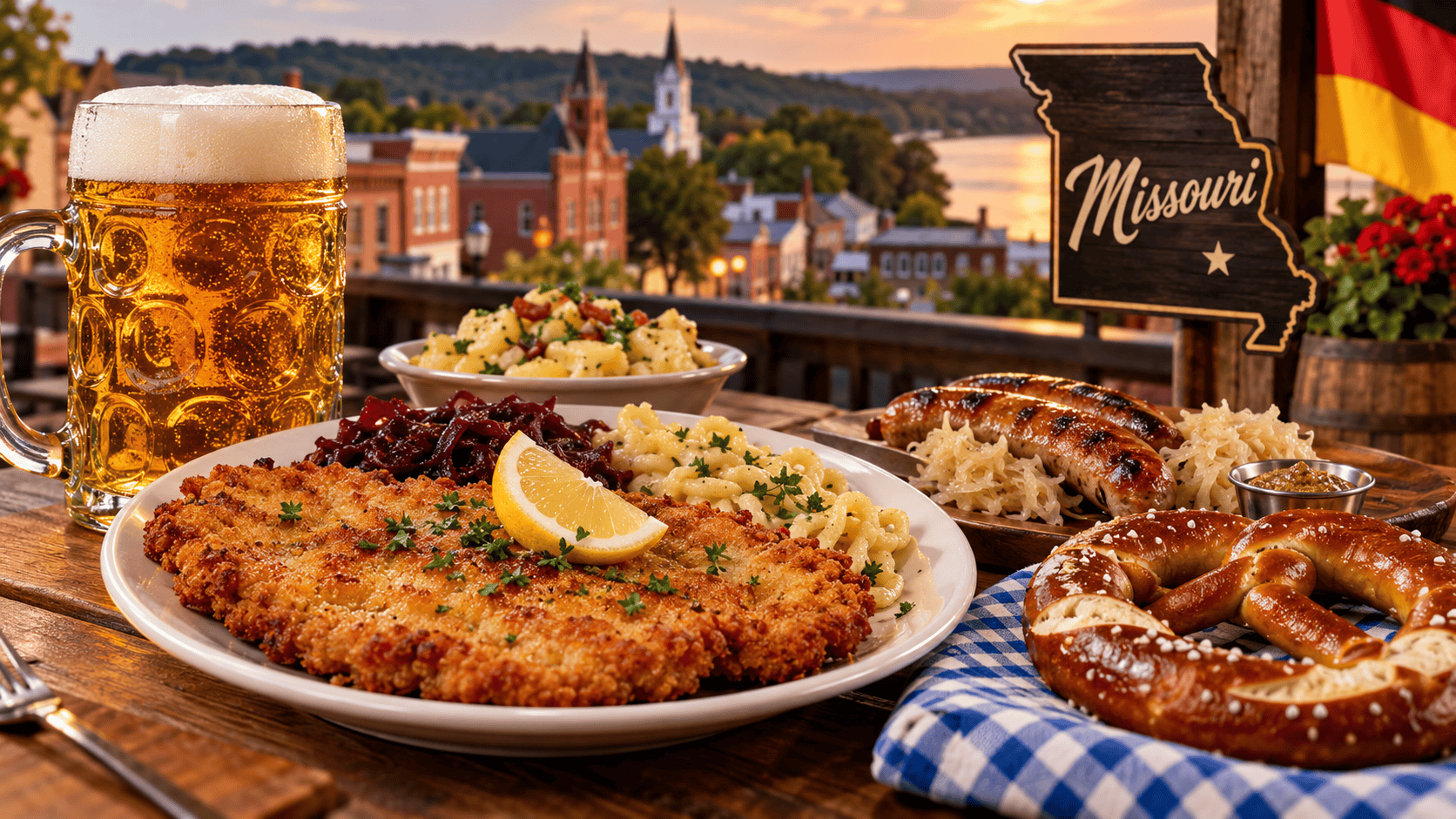
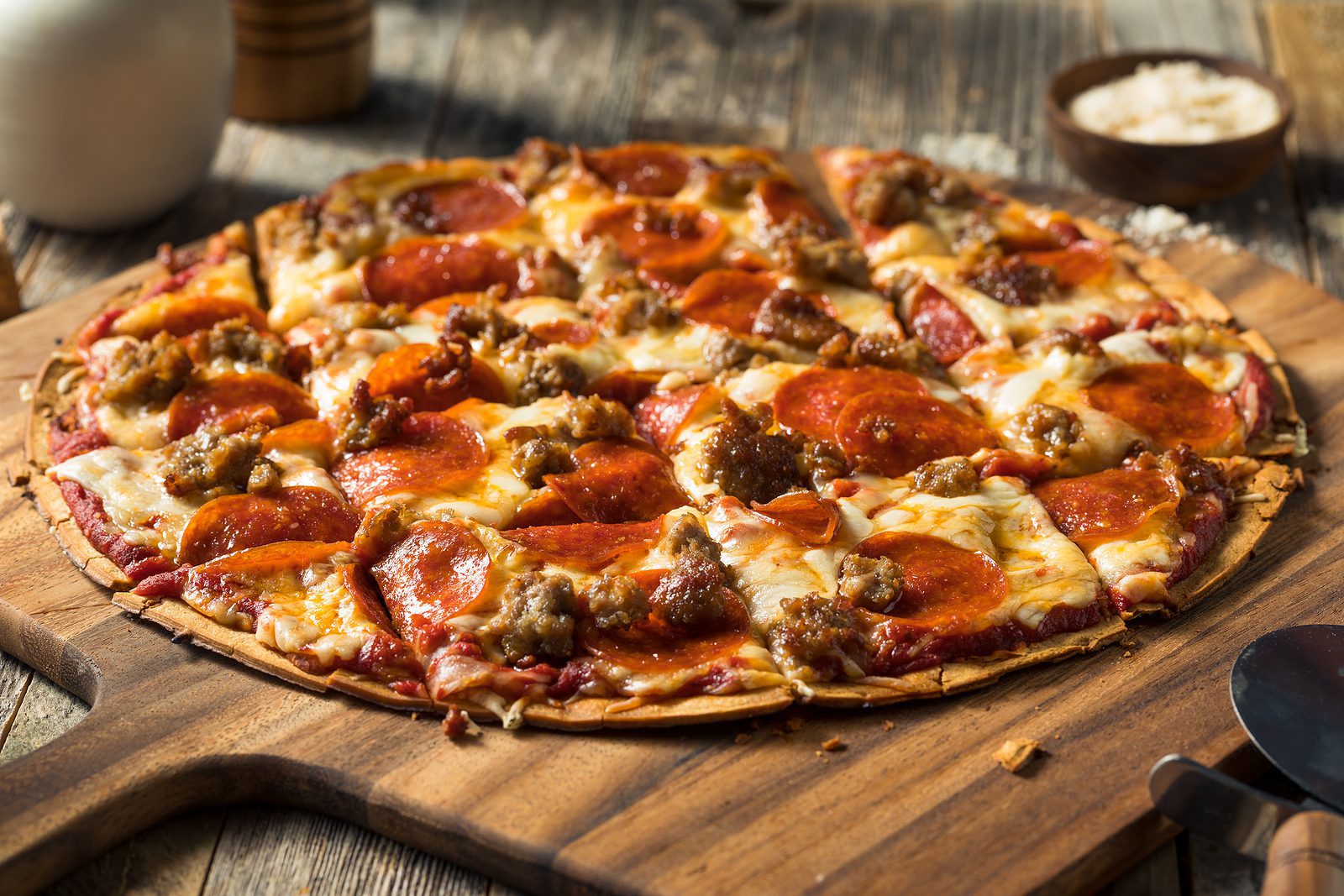
Missouri Uncovered challenges Chicago’s pizza reputation by highlighting Missouri’s diverse pizza culture, from St. Louis thin crust to Kansas City favorites.
ST. LOUIS, MO – November 3, 2026 (StLouisRestaurantReview) Chicago may be internationally famous for its deep-dish pizza, but Missouri has developed a distinctive pizza culture that deserves considerably more national recognition. From the cracker-thin, square-cut pies of St. Louis to the wood-fired creations of Kansas City and the longstanding neighborhood pizzerias of Columbia and Springfield, the Show-Me State offers an impressive variety of pizza experiences.
A video produced by Missouri Uncovered, titled Missouri Has BETTER PIZZA Than Chicago | 13 of the Best Pizzas in Missouri, explores this culinary rivalry and makes the provocative argument that Missouri can compete with, and perhaps surpass, Chicago when it comes to pizza.
The comparison is naturally subjective. Chicago has earned its reputation through generations of restaurants serving deep-dish and tavern-style pizza. Missouri, however, offers its own distinctive regional traditions, independent restaurant institutions, and an increasingly diverse selection of pizza styles.
The Missouri Uncovered production inspired this expanded editorial examination of Missouri’s pizza culture.
Editorial clarification: Missouri Uncovered is responsible for the video’s rankings and opinions. St. Louis Restaurant Review has not independently verified the video’s ratings, rankings, or comparative conclusions and does not formally endorse or dispute them. The 13 establishments discussed below are an editorial selection of Missouri pizza destinations, not a verified transcription of the video’s exact list or ranking order.
1. Imo’s Pizza – St. Louis
No discussion of Missouri pizza would be complete without Imo’s Pizza, one of the state’s most recognizable restaurant brands. You know you are good when you have your own Wikipedia page.
Founded in 1964 by Ed and Margie Imo, the company helped popularize the distinctive St. Louis-style pizza tradition.
Unlike Chicago deep dish, St. Louis-style pizza features an exceptionally thin, crisp crust, square-cut portions, and Provel cheese.
Provel is a processed cheese blend associated with provolone, Swiss, and cheddar. Its smooth texture and distinctive flavor separate St. Louis pizza from conventional mozzarella-covered pies.
Imo’s Deluxe pizza, featuring sausage, bacon, mushrooms, onions, and green peppers, remains one of the brand’s signature combinations.
For visitors unfamiliar with St. Louis-style pizza, Imo’s offers an introduction to a regional specialty that has become part of the city’s culinary identity.
2. Shakespeare’s Pizza — Columbia
Established in 1973, Shakespeare’s Pizza has become a Columbia institution closely associated with the University of Missouri.
Generations of students, alumni, and local residents have grown attached to its pizzas and casual atmosphere.
Known for substantial toppings and distinctive crusts, Shakespeare’s represents the enduring appeal of independent college-town restaurants.
Its reputation demonstrates that Missouri’s pizza culture extends well beyond St. Louis and Kansas City.
For many University of Missouri graduates, a return visit to Columbia feels incomplete without a stop at Shakespeare’s.
3. Pizzeoli – St. Louis
Located in the historic Soulard neighborhood, Pizzeoli specializes in Neapolitan-inspired wood-fired pizza.
Its approach emphasizes carefully prepared dough, high-temperature cooking, and quality ingredients.
The resulting pizzas feature airy, lightly charred crusts and softer centers, creating a distinctly different experience from traditional St. Louis thin crust.
Pizzeoli illustrates how Missouri’s independent restaurants have embraced international pizza traditions while developing their own identities.
Its location in Soulard also places it within one of St. Louis’ most recognizable historic dining districts.
4. Union Loafers – St. Louis
Union Loafers has developed a reputation for combining artisan breadmaking with carefully prepared pizza.
The restaurant emphasizes dough development, fermentation, and baking techniques that contribute to the flavor and texture of its crusts.
Its approach reflects a growing interest in artisan pizza, where the dough receives as much attention as the sauce, cheese, and toppings.
Union Loafers also incorporates familiar St. Louis ingredients into contemporary preparations, demonstrating how traditional regional flavors can evolve.
For customers who appreciate craftsmanship and carefully balanced ingredients, Union Loafers represents another dimension of Missouri’s pizza scene.
5. Il Lazzarone – Kansas City
Kansas City may be internationally recognized for barbecue, but its pizza restaurants deserve attention, too.
Il Lazzarone, located in the River Market district, specializes in traditional Neapolitan-style pizza.
The restaurant emphasizes simple ingredients, carefully prepared dough, and high-temperature cooking.
Neapolitan pizza generally features a soft center surrounded by a raised, airy crust with lightly charred edges.
The result differs dramatically from Chicago deep dish and St. Louis thin crust.
Il Lazzarone demonstrates the range of international pizza traditions available within Missouri.
6. Pizza House – Springfield
Located along historic Commercial Street, Pizza House is a longstanding Springfield neighborhood favorite.
The restaurant is known for exceptionally thin, crisp pizza and a straightforward approach to preparation.
Rather than relying on elaborate specialty combinations, Pizza House emphasizes familiar ingredients and the appeal of traditional neighborhood dining.
Its reputation illustrates how independent restaurants can become important parts of a community’s identity.
For visitors exploring southwestern Missouri, Pizza House offers another example of the state’s diverse pizza traditions.
7. Pizza Tree – Columbia
Pizza Tree represents a more contemporary side of Columbia’s pizza culture.
Established in 2014, the restaurant is associated with creative specialty pizzas, carefully prepared ingredients, and distinctive flavor combinations.
Its approach contrasts with longstanding establishments that emphasize familiar recipes.
Pizza Tree demonstrates how newer independent operators contribute to Missouri’s evolving restaurant industry.
Columbia benefits from having both traditional institutions such as Shakespeare’s Pizza and newer establishments introducing different approaches to pizza-making.
8. Pizza Tascio – North Kansas City
Pizza Tascio brings the New York-style pizza tradition to the Kansas City metropolitan area.
New York-style pizza is generally characterized by large slices, a relatively thin crust, traditional mozzarella, and enough flexibility to fold a slice while eating.
This differs from the rigid, cracker-thin crust associated with St. Louis-style pizza.
Pizza Tascio emphasizes the familiar slice-shop experience and provides an alternative for diners who prefer East Coast pizza traditions.
Its presence in Missouri demonstrates the variety of regional American pizza styles available throughout the state.
9. Waldo Pizza – Kansas City
Waldo Pizza is a longstanding Kansas City neighborhood restaurant known for offering a variety of pizza styles and toppings.
Its menu accommodates different preferences, making it appealing to families and groups.
Some customers prefer thin crust, while others enjoy thicker pizzas or specialty combinations.
Waldo Pizza’s neighborhood identity also adds to its appeal.
Independent restaurants often build loyal followings through familiar food, customer service, and long-standing community relationships.
Waldo Pizza reflects that tradition within Kansas City’s diverse restaurant market.
10. La Pizza – University City
La Pizza is known for New York-style pizza featuring large slices, hand-tossed dough, and traditional mozzarella.
Located in University City, the restaurant offers a recognizable alternative to St. Louis-style pizza.
Its crust is generally more flexible than traditional St. Louis thin crust, making it suitable for folding.
La Pizza illustrates an important characteristic of the St. Louis metropolitan area’s restaurant scene: not every local pizzeria specializes in Provel-covered square-cut pizza.
The region supports a broad range of pizza styles, giving customers opportunities to experience different culinary traditions.
11. Motor Town Pizza – Richmond Heights
Motor Town Pizza brings Detroit-style pizza to the St. Louis metropolitan area.
Detroit-style pizza is generally baked in rectangular pans, producing a thicker crust with a light interior and crisp edges.
One defining characteristic is the caramelized cheese that develops along the sides of the pan.
The result is substantially different from both traditional St. Louis pizza and Chicago deep dish.
Motor Town Pizza demonstrates how Missouri’s pizza culture continues to expand by embracing regional styles originating elsewhere in the United States.
12. Pirrone’s Pizzeria – Florissant
Pirrone’s Pizzeria represents the longstanding Italian-American neighborhood restaurant tradition in North St. Louis County.
Known for thin-crust pizza and familiar Italian-American dishes, the restaurant has become a recognizable name in the Florissant area.
For many customers, establishments such as Pirrone’s are closely associated with family gatherings and neighborhood traditions.
Its appeal reflects the importance of preserving regional flavors while newer restaurants introduce different techniques and ingredients.
Pirrone’s helps demonstrate why longstanding independent pizzerias remain essential to Missouri’s restaurant identity.
13. JJ Twig’s Pizza & Pub – Valley Park
JJ Twig’s Pizza & Pub offers a distinctive interpretation of pizza through its signature Double Decker.
The Double Decker features layered crust and toppings, creating a substantial pizza experience that differs from conventional thin-crust preparations.
Its popularity demonstrates that Missouri diners appreciate more than one approach to pizza.
Although St. Louis is famous for exceptionally thin crust, restaurants such as JJ Twig’s have developed followings around thicker specialty creations.
The restaurant illustrates how independent operators can establish recognizable identities through distinctive menu offerings.
Why Missouri Pizza Can Compete With Chicago
The comparison between Missouri and Chicago pizza involves more than crust thickness or cheese selection.
Chicago has developed a national reputation for deep-dish pizza, but its tavern-style thin-crust tradition is equally important to the city’s culinary identity.
Missouri has its own regional specialty in St. Louis-style pizza.
Its combination of exceptionally thin crust, Provel cheese, and square-cut portions makes it recognizable to generations of local residents.
The difference between these styles is substantial.
Chicago deep dish emphasizes a thicker crust, generous cheese, and a substantial filling. St. Louis-style pizza emphasizes crispness, a distinctive cheese blend, and smaller square-cut portions.
Neither approach is inherently superior.
The preference depends on individual tastes.
However, Missouri’s pizza culture extends far beyond its traditional regional specialty.
St. Louis offers Neapolitan-inspired pizza, New York-style slices, Detroit-style creations, and artisan bakery pizzas.
Kansas City has developed a similarly diverse collection of independent restaurants.
Columbia combines longstanding college-town institutions with newer specialty pizza operators.
Springfield contributes neighborhood favorites and its own thin-crust traditions.
Together, these communities make Missouri an appealing destination for pizza enthusiasts.
Independent Restaurants Strengthen Missouri’s Reputation
One of the most important aspects of Missouri’s pizza culture is its independent restaurants.
National chains offer convenience and recognizable products, but independent establishments often provide the distinctive flavors and experiences that make regional dining memorable.
Restaurants such as Shakespeare’s Pizza, Pizza House, Pizza Tree, Pizzeoli, and Pirrone’s have developed identities connected to their communities.
These establishments also support local economies by employing workers, purchasing goods and services, occupying commercial properties, and drawing customers to nearby businesses.
Independent restaurants face significant financial challenges, including rising food costs, labor expenses, insurance, utilities, and competition from national chains.
Their continued success often depends on building loyal customer relationships and offering products that set them apart from competitors.
Missouri’s pizza culture benefits from having both longstanding institutions and newer independent operators.
Traditional establishments preserve familiar recipes, while contemporary restaurants introduce different techniques and flavors.
Both contribute to the state’s culinary identity.
Missouri Pizza Is Worth a Road Trip
For travelers looking to explore Missouri’s pizza scene, the state offers several worthwhile destinations.
St. Louis provides the broadest introduction to traditional St. Louis-style pizza, with Imo’s and Pirrone’s representing familiar regional flavors.
The metropolitan area also offers artisan and specialty alternatives, including Pizzeoli, Union Loafers, La Pizza, Motor Town Pizza, and JJ Twig’s.
Traveling west along Interstate 70, Columbia provides another important stop.
Shakespeare’s Pizza offers a longstanding college-town tradition, while Pizza Tree represents a newer generation of independent operators.
Continuing west to Kansas City, visitors can experience the Neapolitan-inspired approach of Il Lazzarone, New York-style pizza at Pizza Tascio in nearby North Kansas City, and the neighborhood atmosphere of Waldo Pizza.
Springfield offers another destination at Pizza House, with its exceptionally thin-crust preparations.
A statewide pizza trip demonstrates that Missouri cannot be defined by one crust, one cheese, or one restaurant.
Its culinary diversity is an important part of what makes the state’s pizza culture interesting.
Is Missouri Pizza Really Better Than Chicago Pizza?
The answer ultimately depends on individual preferences.
Diners who enjoy thick crusts, substantial layers of cheese, and hearty portions may prefer Chicago deep dish.
Those who appreciate exceptionally thin crusts and distinctive cheese flavors may favor St. Louis-style pizza.
Customers interested in traditional Italian preparation may choose Neapolitan restaurants in either state.
Others may prefer New York-style slices or Detroit-style pan pizzas.
Personal experiences also influence restaurant preferences.
A St. Louis resident who grew up eating Imo’s may associate its flavor with family celebrations and neighborhood gatherings.
A University of Missouri graduate may feel the same attachment to Shakespeare’s Pizza.
A Chicago resident may have equally strong memories of a favorite neighborhood pizzeria.
Those connections cannot be measured solely through ingredients or cooking techniques.
Food is both a culinary experience and a cultural tradition.
The strongest argument for Missouri is not that every pizza served in the state is better than every pizza in Chicago.
It is that Missouri offers a distinctive, diverse, and sometimes underappreciated pizza culture that deserves recognition alongside America’s most famous pizza destinations.
The Bottom Line: Missouri Deserves More Pizza Recognition
Missouri does not need to imitate Chicago to establish itself as an important American pizza destination.
Its traditional St. Louis-style pizza provides a recognizable regional identity, while independent restaurants throughout the state offer a wide variety of crusts, toppings, ingredients, and cooking techniques.
The Missouri Uncovered video highlights this culinary diversity and encourages viewers to reconsider assumptions about which Midwestern destination offers the best pizza.
Although the comparison remains subjective, the broader message is worth considering.
Missouri has longstanding neighborhood institutions, creative independent operators, distinctive regional flavors, and a growing variety of artisan pizza styles.
For visitors interested in discovering American regional cuisine, the state offers plenty of reasons to explore.
Chicago may have the more internationally recognized pizza reputation, but Missouri has developed a culinary identity of its own.
And for pizza enthusiasts willing to travel beyond familiar national chains, the Show-Me State offers a chance to discover restaurants and regional traditions that deserve more attention.
Missouri may never settle the debate over which state makes the best pizza, but it has certainly earned a place in the conversation.
Video Credit and Editorial Disclaimer
Original Video: Missouri Has BETTER PIZZA Than Chicago | 13 of the Best Pizzas in Missouri
Video Producer: Missouri Uncovered
Editorial Disclaimer: This article was inspired by a video produced by Missouri Uncovered that examines Missouri pizza restaurants and compares the state’s pizza culture with Chicago’s. Missouri Uncovered created the original video concept, research, opinions, and any rankings presented in that production.
St. Louis Restaurant Review has not independently verified the video’s restaurant ratings, rankings, research methodology, or comparative conclusions. Publication of this article does not constitute an endorsement, confirmation, or challenge of those findings. The restaurant descriptions and additional commentary in this article are provided for general informational and entertainment purposes. The 13 establishments discussed are an editorial selection and should not be interpreted as a verified reproduction of the video’s precise selections or ranking order.
Restaurant menus, ownership, locations, operating hours, and availability may change. Readers are encouraged to verify current information directly with individual restaurants before visiting.
Sources and Attribution: Missouri Uncovered (original video production); restaurant websites; published restaurant histories; and general regional culinary information. The comparative rankings and opinions attributed to Missouri Uncovered have not been independently verified by St. Louis Restaurant Review (STLRR).

Martin Smith is the founder and Editor-in-Chief of St. Louis Restaurant Review, STL.News, USPress.News, and STL.Directory. He is a member of the United States Press Agency (ID: 31659) and the US Press Agency.