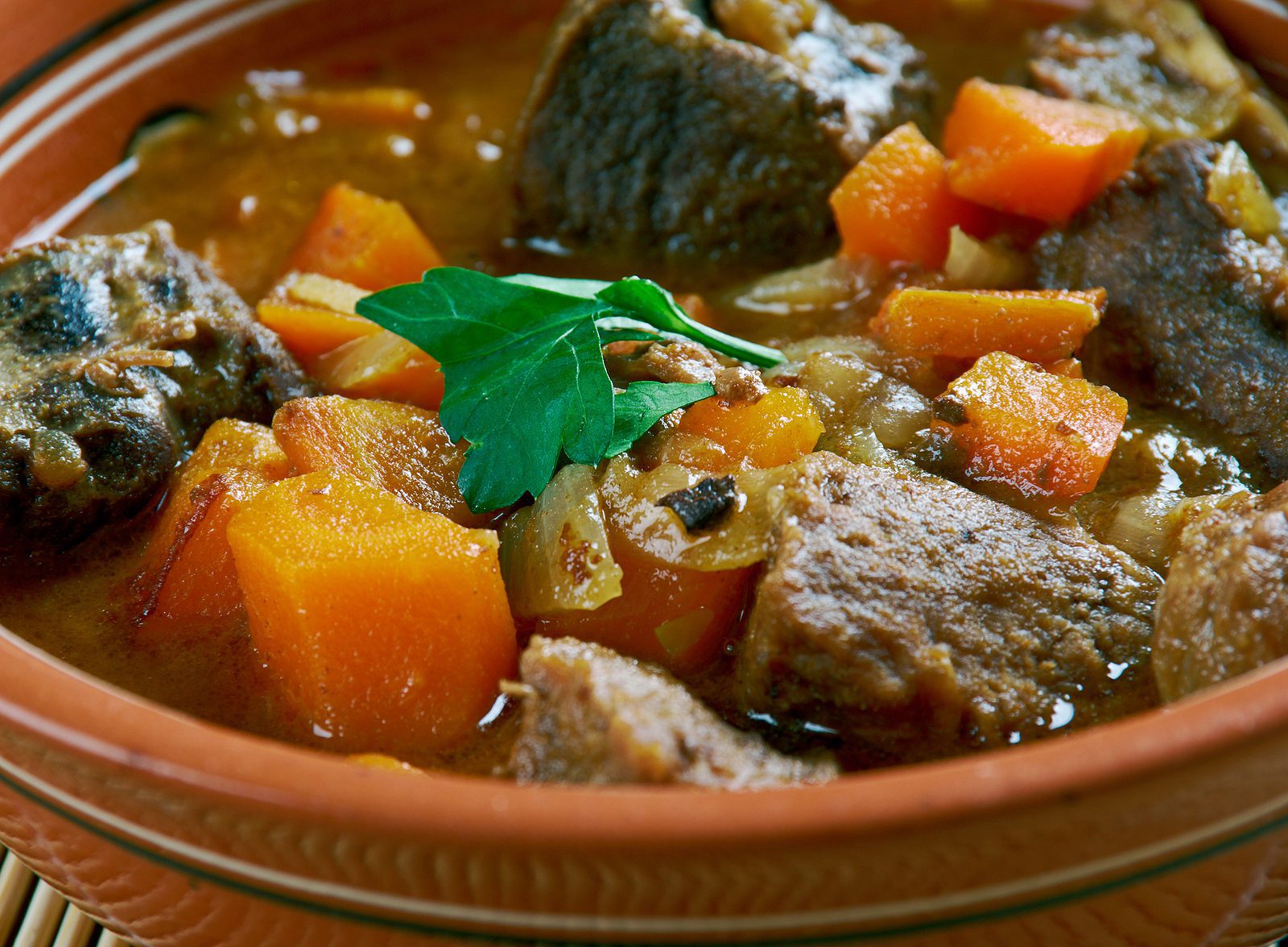
ST. LOUIS, MO – October 31, 2026 (StLouisRestaurantReview) Few meals capture the spirit of traditional American comfort food quite like a steaming bowl of homemade beef stew. Tender chunks of beef, potatoes, carrots, onions, and a rich, savory broth have made this classic dish a favorite for generations. However, a cowboy-style cooking demonstration reveals how two unexpected ingredients can transform an ordinary beef stew into something memorable.
Cowboy cook Kent Rollins demonstrates a traditional approach to preparing beef stew, emphasizing quality ingredients, careful preparation, and the importance of allowing flavors to develop slowly.
His method combines chuck roast, bacon grease, stewed tomatoes, beef broth, garlic, thyme, and Worcestershire sauce. But two ingredients receive particular attention: red wine and pearl onions.
These additions, combined with traditional cooking techniques, create a hearty meal that represents the kind of home cooking many families associate with colder weather, Sunday dinners, and gatherings around the kitchen table.
For home cooks throughout St. Louis and the surrounding region, cowboy beef stew offers an affordable, satisfying meal that feeds several people and leaves leftovers for another day.
Why Cowboy Beef Stew Is Different
Cowboy cooking grew out of practicality, available ingredients, and the need to prepare filling meals for people working long hours outdoors.
Traditional chuck wagon meals frequently relied on beef, beans, potatoes, preserved ingredients, and whatever vegetables were available. Cooking over an open fire required patience and an understanding of how heat affects different foods.
Modern cowboy cooking preserves much of that philosophy.
Rather than depending on elaborate ingredients or complicated equipment, the focus remains on building flavor through preparation and cooking techniques.
Rollins demonstrates this approach by selecting a chuck roast rather than automatically purchasing packaged stew meat.
Chuck roast contains connective tissue and intramuscular fat that tenderize during slow, moist cooking. When properly prepared, the meat develops a rich flavor and satisfying texture.
Although packaged stew meat can be convenient, its composition varies. Buying a whole chuck roast lets cooks control the size and consistency of the pieces.
The beef is trimmed of excess fat while retaining enough marbling to contribute flavor.
It is then cut into bite-sized pieces, seasoned, lightly coated in flour, and browned before combining it with the remaining ingredients.
This preparation lays the foundation for a flavorful stew.
The Two Ingredients That Make the Difference
The most distinctive part of the recipe is adding red wine and pearl onions.
Red wine contributes depth, acidity, and complex flavor to the broth.
Combined with beef, tomatoes, and herbs, wine can add earthy, fruity notes that complement the meat’s richness.
Add the wine during the initial simmering stage to let its flavors blend with the other ingredients.
Contrary to a common cooking assumption, heating wine does not necessarily eliminate all its alcohol. The amount remaining depends on cooking time, temperature, and preparation methods. Those avoiding alcohol can substitute a small amount of vinegar for additional beef broth for acidity.
Pearl onions provide another distinctive element.
Unlike chopped onions, which can soften and nearly disappear during extended cooking, whole pearl onions often retain their recognizable shape.
Their mild sweetness balances the savory broth, while their tender texture provides another enjoyable component.
Rollins emphasizes that pearl onions contribute both flavor and appearance.
Together, red wine and pearl onions distinguish this cowboy-style stew from many everyday beef stew recipes.
Building Flavor Before the Stew Simmer
One of the most important techniques demonstrated is browning the beef before adding liquid.
The seasoned beef is lightly dredged in all-purpose flour. Rollins shakes off excess flour to prevent unnecessary buildup and scorching in the cooking vessel.
Instead of ordinary cooking oil, Rollins uses bacon grease.
Bacon grease contributes additional savory flavor while providing the fat needed to brown the meat.
Cook the beef in batches rather than overcrowding the pot.
This distinction matters because overcrowding can cause moisture to accumulate, preventing the meat from developing a deeply browned exterior.
As the beef cooks, browned deposits collect on the bottom of the pot.
These deposits, commonly called fond, contain concentrated flavor created during browning.
Rather than discarding them, the recipe incorporates them into the stew.
Garlic is briefly cooked in the remaining fat, taking care not to burn it.
The browned beef and its accumulated juices are then returned to the pot.
Add beef broth, stewed tomatoes, Worcestershire sauce, thyme, and red wine to begin developing the stew’s rich base.
Why the Vegetables Are Added Later
Another important technique involves the timing of the vegetables.
Many home cooks combine all their ingredients at the beginning of the cooking process.
Although convenient, this approach can overcook vegetables, especially when beef needs an extended simmer to become tender.
In the demonstration, the beef simmers for about an hour or longer before adding potatoes, carrots, and pearl onions.
This allows the meat to begin tenderizing without exposing the vegetables to excessive cooking time.
Use red-skinned potatoes with their skins intact.
Their relatively firm texture makes them suitable for stews, though they still need monitoring to prevent overcooking.
Carrots contribute natural sweetness, color, and texture.
Add the pearl onions during this later stage to help them keep their shape.
Bay leaves are also introduced toward the end of the cooking process.
The stew then continues simmering until the beef and vegetables reach the desired tenderness.
The result is tender meat, recognizable vegetables, and a flavorful broth.
Cowboy Beef Stew Recipe: Home Kitchen Adaptation
The cooking demonstration explains the ingredients and techniques but does not provide exact measurements for every item. This recipe is an original home-kitchen adaptation based on the demonstrated method, not an exact reproduction of Rollins’ recipe.
Servings: Approximately 8
Preparation time: 25–30 minutes
Cooking time: Approximately 2–2½ hours
Ingredients
- 3 pounds beef chuck roast, cut into bite-sized pieces
- 3 tablespoons bacon grease
- ½ cup all-purpose flour, for dredging
- 1½ teaspoons kosher salt, plus more to taste
- 1 teaspoon black pepper
- 1 teaspoon garlic powder
- 4 garlic cloves, minced
- 4 cups beef broth, plus additional broth as needed
- 3 cans (14.5 ounces each) stewed tomatoes
- 2 tablespoons Worcestershire sauce
- 1 teaspoon dried thyme
- ½ cup dry red wine
- 1½ pounds red potatoes, cut into chunks
- 4 medium carrots, sliced into thick pieces
- 12–16 ounces peeled pearl onions
- 3 bay leaves
Cooking Instructions
Step 1: Prepare the beef.
Trim large pieces of excess fat from the chuck roast, but keep some marbling. Cut the beef into relatively uniform pieces to promote even cooking.
Season the meat with salt, pepper, and garlic powder.
Lightly coat the pieces with flour, shaking off any excess.
Step 2: Brown the meat.
Heat bacon grease in a heavy Dutch oven over medium-high heat.
Add the beef in batches, allowing space between the pieces.
Brown the meat on several sides, transferring each batch to a separate plate.
Do not attempt to cook the beef completely during this stage.
Step 3: Cook the garlic.
Reduce the heat to medium-low.
Add the minced garlic to the remaining fat and cook briefly, stirring continuously.
Avoid allowing the garlic to burn.
Step 4: Create the stew base.
Return the browned beef and accumulated juices to the pot.
Add beef broth, stewed tomatoes, Worcestershire sauce, thyme, and red wine.
Stir gently, scraping the browned deposits from the bottom of the pot.
Step 5: Begin simmering.
Bring the mixture to a gentle simmer.
Reduce the heat, cover the pot, and cook for approximately 60–90 minutes, stirring occasionally.
The beef should begin becoming tender.
Step 6: Add the vegetables.
Add the potatoes, carrots, and pearl onions.
If necessary, pour in additional broth to maintain sufficient liquid.
Add the bay leaves and simmer for about 45–60 minutes, or until the vegetables are tender and the beef pierces easily with a fork.
Step 7: Adjust and serve.
Remove all three bay leaves.
Taste the broth and adjust the seasoning.
If the stew is too thick, add a little broth. If it is too thin, simmer uncovered briefly to reduce the liquid.
Serve hot with cornbread, biscuits, or crusty bread.
Why Cast Iron Works Well for Beef Stew
The demonstration uses an enameled cast-iron cooking vessel.
A heavy Dutch oven is particularly suitable for stew because it retains heat and supports steady simmering.
Enameled cast iron also provides a nonreactive cooking surface, which is useful when preparing recipes containing acidic ingredients such as tomatoes and wine.
Unlike traditional bare cast iron, the enameled interior does not require seasoning.
Home cooks should follow the manufacturer’s cleaning, heating, and temperature recommendations.
A heavy stainless-steel pot can also produce excellent results.
The essential requirement is a cooking vessel large enough to accommodate the ingredients without excessive crowding.
A Meal That Can Stretch the Family Budget
Beef prices remain an important consideration for many households, making careful shopping and meal planning valuable.
Rollins discusses purchasing larger packages of roasts when prices are favorable and freezing portions for later use.
Buying chuck roast in larger quantities may save money, but consumers should compare unit prices because bulk packaging is not always cheaper.
Beef stew can also help stretch a meat purchase by combining it with potatoes, carrots, tomatoes, and broth.
The resulting meal provides generous portions without requiring each serving to contain a large individual cut of beef.
Leftovers are another advantage.
Stew can be refrigerated and reheated, and its flavors may meld further after resting.
For food safety, refrigerate leftovers promptly in shallow containers rather than allowing a large pot to cool at room temperature for an extended period. Refrigerated leftovers should generally be consumed within three to four days, or frozen for longer storage.
Reheat leftovers thoroughly to 165°F.
What Should You Serve With Cowboy Beef Stew?
Cornbread is a natural accompaniment to traditional cowboy-style meals.
Its slightly sweet corn flavor complements the savory beef broth, while its texture makes it ideal for soaking up the liquid.
Rollins describes serving stew with freshly prepared cornbread, including a memorable experience feeding cowboys during freezing weather.
Other excellent accompaniments include homemade buttermilk biscuits, crusty bread, dinner rolls, or simple crackers.
For St. Louis households looking for a satisfying weekend meal, beef stew and cornbread offer a traditional combination that requires little extra prep.
The Lasting Appeal of Traditional Comfort Food
Recipes such as cowboy beef stew demonstrate why traditional comfort foods continue to attract interest.
They combine familiar ingredients, practical cooking methods, and flavors developed through time rather than complicated preparation.
The dish is adaptable, making it suitable for family dinners, cold-weather gatherings, and meal preparation.
Most importantly, it demonstrates how small changes can influence the final result.
Using chuck roast instead of an inconsistent assortment of beef pieces, browning the meat properly, preserving the flavorful deposits in the pot, and adding vegetables at the appropriate time all contribute to a more satisfying meal.
Adding red wine and pearl onions adds a finishing touch.
For anyone looking to prepare a hearty homemade meal, cowboy beef stew offers an appealing reminder that traditional cooking techniques remain valuable in modern kitchens.
While no single recipe can objectively claim to be the best beef stew ever made, this cowboy-inspired approach offers an excellent starting point for creating a memorable family favorite.
About the Video and Recipe: St. Louis Restaurant Review prepared this article using the supplied transcript of a cowboy beef stew cooking demonstration featuring Kent Rollins. The accompanying home-kitchen recipe is an adaptation developed for informational purposes. The transcript did not provide exact ingredient quantities for every item. St. Louis Restaurant Review has not independently prepared or tested the recipe and does not guarantee identical results. Readers should follow appropriate food-handling practices and adjust ingredients for dietary needs and personal preferences.
Source: Cowboy beef stew cooking demonstration featuring Kent Rollins, supplied video transcript. Original video title: “The Best Cowboy Beef Stew You’ll Ever Make (2 Secret Ingredients).”

Martin Smith is the founder and Editor-in-Chief of St. Louis Restaurant Review, STL.News, USPress.News, and STL.Directory. He is a member of the United States Press Agency (ID: 31659) and the US Press Agency.