
Discover why generations of American diner cooks have relied on flat-top griddles, cast-iron skillets, and simple cooking techniques to create hamburgers with exceptional flavor.
ST. LOUIS, MO – November 17, 2026 (StLouisRestaurantReview) Americans love their hamburgers. Whether served at neighborhood taverns, family restaurants, roadside diners, or backyard cookouts, the hamburger remains one of the country’s most popular and recognizable foods.
But what if one of the best ways to prepare a hamburger doesn’t involve firing up the backyard grill?
For generations, American diner cooks have used a remarkably simple cooking method that produces hamburgers with deeply browned surfaces, crispy edges, and rich, savory flavor.
Their secret is a hot, flat cooking surface.
Instead of placing ground beef over open flames, diner cooks prepare hamburgers directly on flat-top griddles. The technique lets the meat make extensive contact with heated metal, producing a distinctive crust that’s hard to duplicate on traditional grill grates.
The good news is that you don’t need a commercial restaurant kitchen to recreate the experience.
A heavy cast-iron skillet, good ground beef, and a few basic ingredients can deliver a classic diner-style cheeseburger in your own kitchen.
And once you understand the science behind the technique, you may find yourself reaching for the skillet more often than the grill.
Why Old-Fashioned Diner Burgers Taste Different
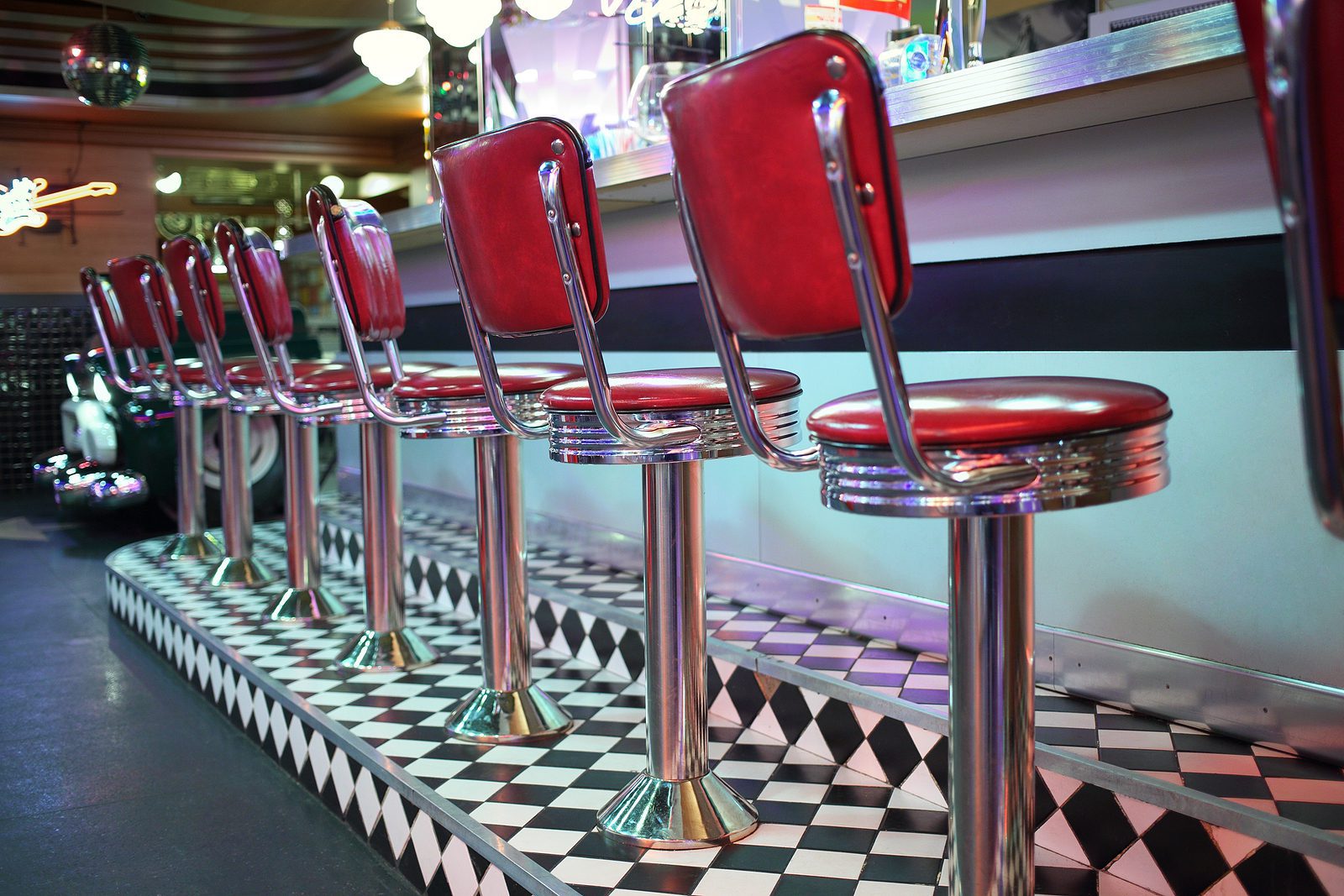
Walk into a traditional American diner, and you’ll often find a large flat-top cooking surface behind the counter.
Hamburgers sizzle alongside onions, bacon, eggs, and other familiar diner favorites.
The cook places a portion of ground beef on the hot surface, seasons it, and lets it brown.
Some restaurants prepare relatively thick patties. Others specialize in thin hamburgers pressed firmly against the cooking surface.
Regardless of the style, the griddle offers an important advantage: direct contact between the meat and hot metal.
On a traditional outdoor grill, the hamburger rests on narrow metal grates. Much of the meat’s surface is exposed to radiant heat and circulating hot air.
On a flat-top griddle, nearly the entire bottom surface of the patty can contact heated metal.
That difference encourages more extensive browning.
Instead of developing grill marks separated by less-browned areas, the meat can form a flavorful crust across much of its surface.
This doesn’t mean every griddle burger is automatically better than every grilled burger.
Outdoor grilling can provide smoky flavors and other characteristics that a kitchen skillet cannot fully reproduce.
However, when the goal is a classic diner-style hamburger with a deeply browned crust, the griddle offers a compelling advantage.
The Science Behind a Perfect Hamburger Crust
One of the most important factors in hamburger flavor is a chemical process known as the Maillard reaction.
This reaction occurs when amino acids and certain sugars react under heat, producing compounds responsible for many of the flavors and aromas associated with browned foods.
The Maillard reaction contributes to the savory character of seared steaks, roasted meats, toasted bread, and properly browned hamburgers.
A hot griddle provides an effective environment for this process.
When ground beef contacts the heated surface, moisture begins evaporating from the exterior.
As the surface heats and dries, browning reactions develop.
The result is a flavorful crust.
That crust matters especially in thin hamburgers because it makes up a substantial portion of the finished patty.
The contrast between the browned exterior and the interior creates the distinctive eating experience associated with traditional diner burgers.
Temperature control remains essential.
A skillet that is too cool may cause the meat to release moisture without developing substantial browning.
An excessively hot surface can burn the exterior before the meat reaches a safe internal temperature.
The objective is controlled, effective browning rather than simply using the highest possible heat.
The Smash Burger: A Traditional Technique With Modern Appeal
One of the most popular variations of the griddle hamburger is the smash burger.
The basic technique involves placing a loosely formed ball of ground beef onto a hot cooking surface and immediately pressing it into a thin patty.
This increases contact between the meat and the griddle.
As the burger cooks, its exterior develops a crust, while the thin edges can become especially crispy.
Smash burgers have gained considerable attention in modern restaurant culture, but the underlying cooking method has roots in American short-order traditions.
The technique is simple, but home cooks sometimes misunderstand an important detail.
Smashing a burger at the beginning of cooking is different from repeatedly pressing it throughout the cooking process.
The initial press sets the patty’s shape and maximizes contact with the hot surface.
Repeatedly pressing a partially cooked burger can force moisture and rendered fat out of the meat.
For a traditional smash burger, one firm initial press is generally enough.
Afterward, allow the patty to brown without unnecessary movement.
Why Cast Iron Works So Well
Most homeowners don’t have commercial flat-top griddles in their kitchens.
Fortunately, a heavy cast-iron skillet can produce excellent results.
Cast iron is particularly useful because its substantial mass helps it retain heat when you place cold meat on the cooking surface.
That matters because adding ground beef to a skillet temporarily lowers the surface temperature.
A properly preheated cast-iron skillet can help maintain the heat needed for effective browning.
Cast iron also provides a broad cooking surface, allowing the meat to make extensive contact with the metal.
Heavy carbon-steel skillets and stovetop griddles can also work well.
The most important factors are sufficient preheating, adequate cooking space, and proper temperature control.
For someone who enjoys hamburgers but doesn’t want to purchase specialized equipment, a good cast-iron skillet is a practical option.
Choosing the Right Ground Beef
Great hamburgers begin with appropriate ingredients.
For classic diner-style burgers, ground beef containing approximately 80% lean meat and 20% fat is a popular choice.
Commonly labeled 80/20 ground beef, this mixture provides enough fat to contribute richness and flavor.
Leaner beef can also be used, but the finished burger may have a different texture.
The beef should be handled gently.
Excessively mixing or tightly compressing ground beef can produce a dense patty.
For smash burgers, loosely formed portions work particularly well.
Keep the meat refrigerated until cooking.
Food safety is important regardless of the cooking technique.
The U.S. Department of Agriculture recommends cooking ground beef to an internal temperature of 160°F, measured with a food thermometer.
This recommendation applies to hamburgers prepared on outdoor grills, flat-top griddles, and kitchen skillets.
How to Make Classic Diner Burgers at Home
One of the greatest advantages of the diner technique is that it requires relatively few ingredients.
The following recipe makes four double cheeseburgers.
Ingredients
- 1½ pounds of 80/20 ground beef
- 8 slices of American cheese
- 4 soft hamburger buns
- 1 medium onion, thinly sliced
- Dill pickle slices
- Salt and freshly ground black pepper
- Mustard, ketchup, or mayonnaise
- A small amount of neutral cooking oil, if needed
Step 1: Prepare the Ground Beef
Divide the ground beef into eight equal portions, about three ounces each.
Gently form each portion into a loose ball.
Avoid packing the beef tightly.
Keep the portions refrigerated until you’re ready to cook.
Step 2: Preheat the Skillet
Place a heavy cast-iron skillet over medium-high heat.
Allow it to preheat thoroughly.
A griddle surface temperature of around 400–450°F is a useful starting point for smash burgers, though the ideal setting depends on your equipment and cooking conditions.
The surface should be hot enough to sizzle when you add the beef.
Use adequate kitchen ventilation, and adjust the heat if it smokes excessively.
Step 3: Smash the Beef
Place one or two portions of ground beef into the skillet, leaving enough space between them.
Immediately press each portion into a thin patty using a sturdy metal spatula or burger press.
A small piece of parchment paper can help prevent the meat from sticking to the press.
Season with salt and pepper.
Step 4: Develop the Crust
Cook the patties without unnecessary movement.
The first side of a thin smash burger may brown within a few minutes, depending on the skillet temperature and patty thickness.
Look for substantial browning around the edges.
Avoid repeatedly lifting the patties, as it interrupts contact with the cooking surface.
Step 5: Flip and Add Cheese
Use a sturdy, thin-edged spatula to scrape underneath each patty.
This helps preserve the browned crust.
Flip the burgers and add a slice of American cheese to each patty.
Continue cooking until the beef reaches an internal temperature of 160°F.
For thin patties, insert a food thermometer probe sideways or at an angle to measure the internal temperature.
Step 6: Toast the Buns
Place the cut sides of the hamburger buns onto a warm griddle or skillet.
Toast until lightly golden.
You may add a small amount of butter for flavor.
The goal is a lightly browned surface that complements the hamburger without making the bun excessively crisp.
Step 7: Assemble the Burgers
Place two cheese-covered patties onto each bottom bun.
Add onions, pickles, and your preferred condiments.
Finish with the top bun and serve immediately.
The result should be a classic diner-style double cheeseburger with a deeply browned exterior, melted cheese, and a soft toasted bun.
The Oklahoma Onion Burger: A Historic American Favorite
One of the most interesting examples of traditional griddle cooking comes from El Reno, Oklahoma.
The community is widely associated with the fried onion hamburger, a regional specialty dating to the 1920s.
The technique developed as a practical way to combine ground beef with inexpensive onions.
According to historical accounts maintained by the City of El Reno and the El Reno Carnegie Library collection, Ross Davis of the Hamburger Inn was an important early figure in developing the local fried onion burger.
These accounts credit Davis with pressing shredded onions into small beef patties, making the hamburgers more substantial while adding flavor.
The precise circumstances and chronology of the burger’s creation are not entirely settled, but its association with El Reno during the 1920s is well documented.
The William G. Pomeroy Foundation recognized this culinary tradition by installing a historical marker in 2024.
The marker commemorates the use of shredded onions and limited amounts of ground beef to create an affordable local specialty.
Over time, the fried onion burger became an important part of El Reno’s food culture.
The community celebrates the tradition through its annual Fried Onion Burger Day Festival.
The Oklahoma onion burger demonstrates how simple ingredients and practical cooking methods can produce an enduring regional specialty.
How to Make an Oklahoma-Style Onion Burger
Preparing an onion burger at home requires only a slight variation on the traditional smash-burger technique.
Begin with a loosely formed ball of ground beef.
Place the beef onto a hot skillet.
Immediately add a generous portion of very thinly sliced onions.
Using a sturdy spatula or burger press, flatten the beef and press the onions into the patty.
Allow the meat to develop a browned crust.
Flip the burger so the onions make contact with the hot cooking surface.
As the onions cook, they soften and develop additional flavor.
Continue cooking until the ground beef reaches 160°F.
Add cheese if desired and serve on a soft hamburger bun.
The finished burger combines savory beef, cooked onions, and a flavorful browned crust.
It reminds us that memorable food doesn’t require expensive ingredients.
Why American Cheese Is a Diner Favorite
Cheese selection can significantly influence a hamburger’s character.
Cheddar, Swiss, pepper jack, and other cheeses can all be excellent choices.
However, American cheese remains particularly popular for traditional diner cheeseburgers.
One reason is its melting behavior.
American cheese contains emulsifiers that help its fat and moisture stay combined when heated.
This produces a smooth, creamy texture.
When placed onto a hot hamburger patty, the cheese softens and spreads over the meat.
For double cheeseburgers, using one slice per patty creates an even layer of melted cheese.
Its relatively mild flavor also complements the beef without overwhelming it.
For people seeking the familiar taste and texture of an old-fashioned diner cheeseburger, American cheese remains a practical choice.
Why the Hamburger Bun Matters
A hamburger bun may seem like a minor detail, but it plays an important role in the finished meal.
A bun that is too thick can overwhelm a thin hamburger.
A bun that is too fragile may fall apart when exposed to moisture and rendered fat.
Soft hamburger buns and potato buns are popular choices for diner-style burgers.
They provide enough structure to hold the ingredients while remaining easy to bite through.
Lightly toasting the interior creates a more resilient surface.
It also adds a subtle toasted flavor.
For thin double cheeseburgers, the bun should complement the meat rather than compete with it.
The best result is a balanced combination of beef, cheese, bread, and toppings.
Five Mistakes That Can Ruin a Hamburger
Even quality ground beef can produce disappointing results when the cooking technique is incorrect.
1. Starting With a Cold Skillet
A skillet that hasn’t been properly preheated may cause the beef to release moisture without developing substantial browning.
2. Overcrowding the Cooking Surface
Placing too many patties into a small skillet can reduce the cooking temperature and trap moisture.
Cooking in batches often produces better results.
3. Overworking the Ground Beef
Excessive handling can create a dense hamburger.
Portion the meat gently and avoid unnecessary compression.
4. Pressing the Burger Repeatedly
For smash burgers, press firmly at the beginning of cooking.
Avoid repeatedly squeezing the patty after it has begun cooking.
5. Guessing When the Burger Is Done
Color alone is not a reliable indicator of food safety.
Use a food thermometer and cook ground beef to an internal temperature of 160°F.
Are Griddle Burgers Better Than Grilled Burgers?
The answer depends on the type of hamburger someone prefers.
Outdoor grilling offers several advantages.
Charcoal and wood can contribute smoky flavors that are difficult to reproduce indoors.
Grilling also provides an atmosphere associated with backyard gatherings and summer cookouts.
A griddle produces a different result.
Its broad cooking surface encourages extensive browning.
Thin patties can develop crispy edges and a distinctive crust.
For thick hamburgers, traditional grilling may be preferable for someone seeking smoky flavor and a substantial interior.
For thin diner-style cheeseburgers, a griddle may be the better tool.
Neither method is universally superior.
The important distinction is understanding how each technique influences flavor and texture.
Does Cooking on a Griddle Make Burgers Juicier?
One frequently repeated claim is that griddle-cooked hamburgers are automatically juicier because they cook in their own rendered fat.
That explanation oversimplifies the cooking process.
A griddle retains some rendered fat on its surface, which can contribute to browning and flavor.
However, the moisture retained inside a hamburger depends on multiple factors.
These include the fat content of the ground beef, patty thickness, cooking temperature, and final internal temperature.
A thin smash burger can dry out if cooked too long.
A thicker grilled hamburger can remain moist when prepared correctly.
The strongest advantage of griddle cooking is not a guarantee of greater juiciness.
It is the opportunity to develop extensive browning and a flavorful crust.
That combination can make a hamburger particularly satisfying.
What St. Louis Restaurants Can Learn From Diner Cooking
The traditional diner hamburger offers several lessons for restaurant operators throughout the St. Louis metropolitan area.
One is that cooking technique can be just as important as expensive ingredients.
A hamburger prepared with ordinary ground beef, a simple bun, American cheese, and onions can be memorable when executed correctly.
Another lesson involves consistency.
Restaurants depend on producing reliable results throughout the day.
Flat-top griddles are versatile cooking surfaces that can handle hamburgers, breakfast foods, sandwiches, and other menu items.
They also allow cooks to develop repeatable preparation methods.
However, the equipment alone doesn’t guarantee quality.
Proper temperature control, portion sizes, food handling, and employee training remain essential.
For independent restaurants, the traditional diner burger illustrates that an excellent menu item doesn’t necessarily require elaborate preparation.
Sometimes a familiar dish, prepared exceptionally well, is enough to keep customers returning.
Why the American Diner Burger Endures
The hamburger has been an important part of American dining culture for more than a century.
Its precise origins remain disputed, with several communities and businesses associated with early versions of the hamburger sandwich.
What is clear is that hamburgers became firmly established in American restaurant culture during the early 20th century.
Lunch counters, diners, roadside restaurants, and hamburger chains helped make the meal widely accessible.
Flat-top griddles became useful tools because they allowed cooks to prepare a variety of foods efficiently.
Over time, different regional hamburger traditions developed.
Some emphasized thick patties cooked over open flames.
Others specialized in thin griddle burgers, onion burgers, or cheeseburgers with distinctive toppings.
Despite these differences, the hamburger’s basic appeal has remained remarkably consistent.
It is familiar, adaptable, convenient, and can deliver substantial flavor from relatively simple ingredients.
The old-fashioned diner burger represents one of the clearest examples of that appeal.
The Bottom Line: Try the Griddle Before Your Next Grill
There is no reason to abandon outdoor grilling.
A hamburger cooked over charcoal or an open flame can be excellent.
But home cooks who have never prepared hamburgers on a flat-top griddle or heavy cast-iron skillet should try the traditional diner method.
The technique doesn’t depend on elaborate seasonings, expensive equipment, or complicated recipes.
Instead, it emphasizes direct heat, effective browning, careful handling, and simple ingredients.
The result can be a hamburger with a deeply browned crust, crispy edges, melted cheese, and the familiar flavor of an American diner.
Perhaps the most important lesson is that great cooking doesn’t always require inventing something new.
Sometimes it means rediscovering techniques that experienced cooks have used for generations.
And when it comes to hamburgers, one of those techniques is as simple as placing quality ground beef onto a hot, flat cooking surface.
For anyone searching for a better homemade cheeseburger, the answer might not be a bigger grill.
It might be a cast-iron skillet and an old-fashioned diner trick.
About St. Louis Restaurant Review
St. Louis Restaurant Review covers restaurant news, dining trends, food preparation, culinary traditions, and the restaurant industry throughout the St. Louis metropolitan area and beyond.

Martin Smith is the founder and Editor-in-Chief of St. Louis Restaurant Review, STL.News, USPress.News, and STL.Directory. He is a member of the United States Press Agency (ID: 31659) and the US Press Agency.