
Missouri restaurants using third-party delivery apps may still be responsible for sales tax.
Confusion around DoorDash, Grubhub, and Uber Eats can lead to costly double payments.
Understanding your tax obligations is critical to protecting your restaurant’s profitability.
ST. LOUIS, MO (StLouisRestaurantReview) The rise of third-party delivery platforms like DoorDash, Grubhub, Uber Eats, and eOrderSTL has transformed how restaurants operate across Missouri. While these platforms offer convenience, increased visibility, and expanded reach, they also introduce complexity—especially when it comes to sales tax compliance.
For many restaurant owners, one critical question remains: Who is actually responsible for collecting and remitting sales tax on orders placed through these platforms?
The answer is not as straightforward as many assume. Misunderstanding this issue can result in serious financial consequences, including overpaying taxes or facing compliance risks. This article breaks down how sales tax works in Missouri for third-party delivery orders and what restaurant operators must do to protect themselves.
Missouri’s Sales Tax Framework for Restaurants
In Missouri, sales tax on prepared food is generally imposed on the sale of tangible goods to the end consumer. Restaurants are considered the sellers of the food, regardless of how the order is placed.
This means that, under standard conditions, the restaurant—not the delivery platform—is responsible for collecting and remitting sales tax.
Even when an order is placed through a third-party app, the restaurant is still viewed as the merchant providing the product. The delivery service acts as an intermediary, facilitating the transaction rather than replacing the restaurant as the seller.
The Role of Third-Party Delivery Platforms
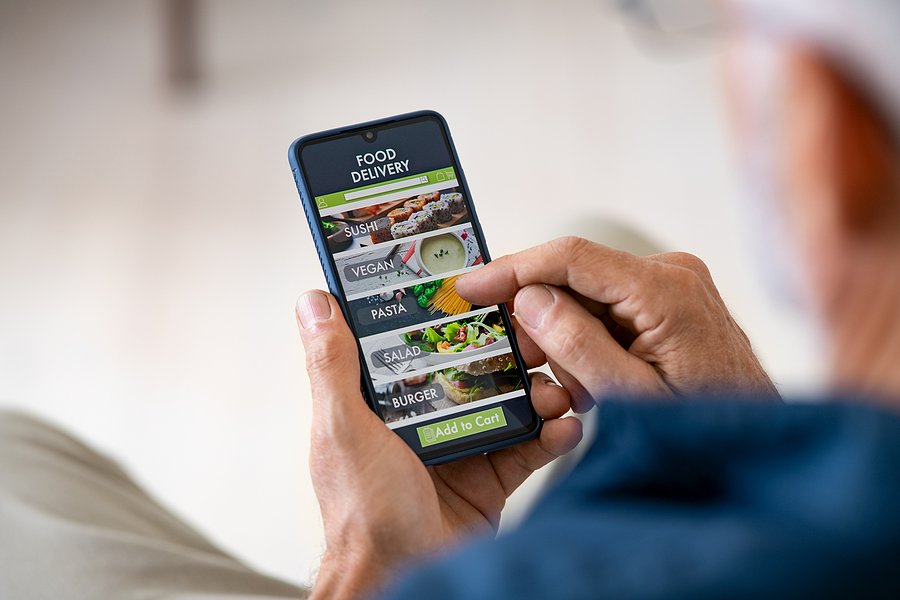
Platforms like DoorDash, Grubhub, and Uber Eats serve multiple roles:
- Marketing channel
- Ordering interface
- Payment processor
- Delivery logistics provider
However, in Missouri, these platforms are generally not classified as sellers of food in most transactions involving in-state restaurants.
Because of this distinction, they are typically not required to collect and remit Missouri sales tax on the restaurant’s behalf.
This is where confusion begins.
Why Many Restaurants Get It Wrong
A common misconception among restaurant operators is that, because the platform processes payments and sometimes displays tax charges to customers, it must also be responsible for remitting those taxes.
Unfortunately, that assumption can be costly.
In reality:
- The platform may show a tax line item
- The restaurant still receives gross sales data
- The responsibility to report those sales often remains with the restaurant
Without careful reconciliation, this can lead to double taxation scenarios, where:
- The platform collects taxes from the customer
- The restaurant reports and pays tax again on the same transaction
Over time, this mistake can add up to thousands of dollars in unnecessary payments.
Understanding Marketplace Facilitator Laws
Many states have adopted “marketplace facilitator” laws that shift tax collection responsibility from the seller to the platform. These laws require companies like Amazon or eBay to collect and remit sales tax on behalf of third-party sellers.
However, Missouri’s application of these laws to restaurant delivery platforms has been inconsistent and limited.
In most in-state restaurant transactions, third-party delivery apps are not treated as marketplace facilitators responsible for sales tax.
There are exceptions, such as:
- Certain out-of-state transactions
- Situations involving the use tax instead of sales tax
- Platform-specific policies that may vary by jurisdiction
But for most local restaurant orders in Missouri, the traditional rule still applies: the restaurant is responsible.
Platform Practices: What You Might See
To make matters more complicated, some delivery platforms have begun implementing their own tax collection practices in certain markets.
For example:
- Some platforms may label charges as “tax collected.”
- Others may include the marketplace facilitator tax in specific jurisdictions
- Reporting formats vary widely between platforms
This inconsistency creates a dangerous situation in which restaurant owners may assume compliance is handled automatically when it is not.
It is critical to understand that just because a platform displays or collects tax does not mean your liability has been eliminated.
The Financial Risk of Misreporting
Failing to properly manage sales tax obligations can result in two major risks:
1. Overpaying Taxes
This is the most common issue for restaurants using third-party delivery apps.
If you:
- Report total sales, including third-party orders
- Pay sales tax on those amounts
- AND the platform also collected tax
👉 You may be paying tax twice on the same revenue.
2. Underreporting Taxes
On the flip side, if a restaurant assumes the platform handled everything and fails to report taxable sales, it could face:
- Audits
- Penalties
- Interest charges
Either scenario can significantly impact a restaurant’s already tight margins.
Best Practices for Missouri Restaurant Owners
To avoid costly mistakes, restaurant operators must take a proactive approach to tax compliance.
1. Assume Responsibility First
Unless you have clear documentation proving otherwise, always assume:
👉 Your restaurant is responsible for collecting and remitting sales tax.
This conservative approach helps prevent underpayment issues.
2. Reconcile All Sales Channels
You must regularly compare:
- POS system reports
- DoorDash, Grubhub, and Uber Eats reports
- Bank deposits
- Tax collected vs. tax owed
Look for discrepancies in how tax is calculated and reported.
3. Understand Each Platform’s Reporting
Each delivery service provides its own reporting structure. Some include:
- Gross sales
- Net payouts
- Fees and commissions
- Taxes collected
Carefully review these reports to determine:
- What tax was collected
- Whether it was remitted
- What you are still responsible for reporting
4. Work With a Knowledgeable Accountant
Not all accountants are familiar with the nuances of restaurant delivery platforms.
Make sure your CPA:
- Understands third-party delivery systems
- Knows Missouri tax rules
- Reviews your platform reports regularly
This is not an area where guesswork is acceptable.
5. Configure Your POS and Accounting Systems Properly
Your POS system should be set up to:
- Track third-party sales separately
- Distinguish between taxable and non-taxable revenue
- Avoid double-counting tax
Incorrect system setup is one of the leading causes of compliance errors.
Why This Matters More Than Ever
The restaurant industry already operates on thin margins. Between rising food costs, labor challenges, and high third-party commissions, every dollar counts.
Sales tax errors—especially overpayments—can quietly drain profitability without being noticed.
At the same time, regulatory scrutiny is increasing. As more transactions move through digital platforms, states are paying closer attention to compliance.
Restaurants that fail to adapt risk falling behind both financially and operationally.
The Bigger Picture: Control vs. Convenience
Third-party delivery platforms offer undeniable benefits:
- Increased exposure
- Higher order volume
- Customer convenience
But they also reduce visibility and control over critical financial processes, including tax handling.
This is why many restaurant operators are shifting focus toward:
- Direct online ordering systems
- Integrated POS solutions
- Platforms that provide full transparency
Maintaining control over your sales data is essential not just for marketing, but for compliance and profitability.
Conclusion
The question of who pays sales tax on DoorDash, Grubhub, and Uber Eats orders in Missouri is more complex than it appears.
Despite the involvement of major delivery platforms, the responsibility typically remains with the restaurant. Misunderstanding this can lead to costly errors, including double payments or compliance violations.
The safest and smartest approach is to stay informed, verify your reporting, and maintain full oversight of your financial data.
In an industry where margins are tight and competition is fierce, mastering the details of sales tax compliance is not optional—it is essential.
Summary
Missouri restaurants using third-party delivery apps must understand that they are usually responsible for sales tax. Assuming the platform handles it can lead to expensive mistakes. Proper reporting, reconciliation, and professional guidance are key to avoiding financial losses and staying compliant.
© 2025 – St. Louis Media, LLC d.b.a. St. Louis Restaurant Review. All Rights Reserved. Content may not be republished or redistributed without express written approval. Portions or all of our content may have been created with the assistance of AI tools, such as Gemini or ChatGPT, and are reviewed by our human editorial team. For the latest restaurant news and reviews, head to St. Louis Restaurant Review.

Martin Smith is the founder and Editor-in-Chief of St. Louis Restaurant Review, STL.News, USPress.News, and STL.Directory. He is a member of the United States Press Agency (ID: 31659) and the US Press Agency.