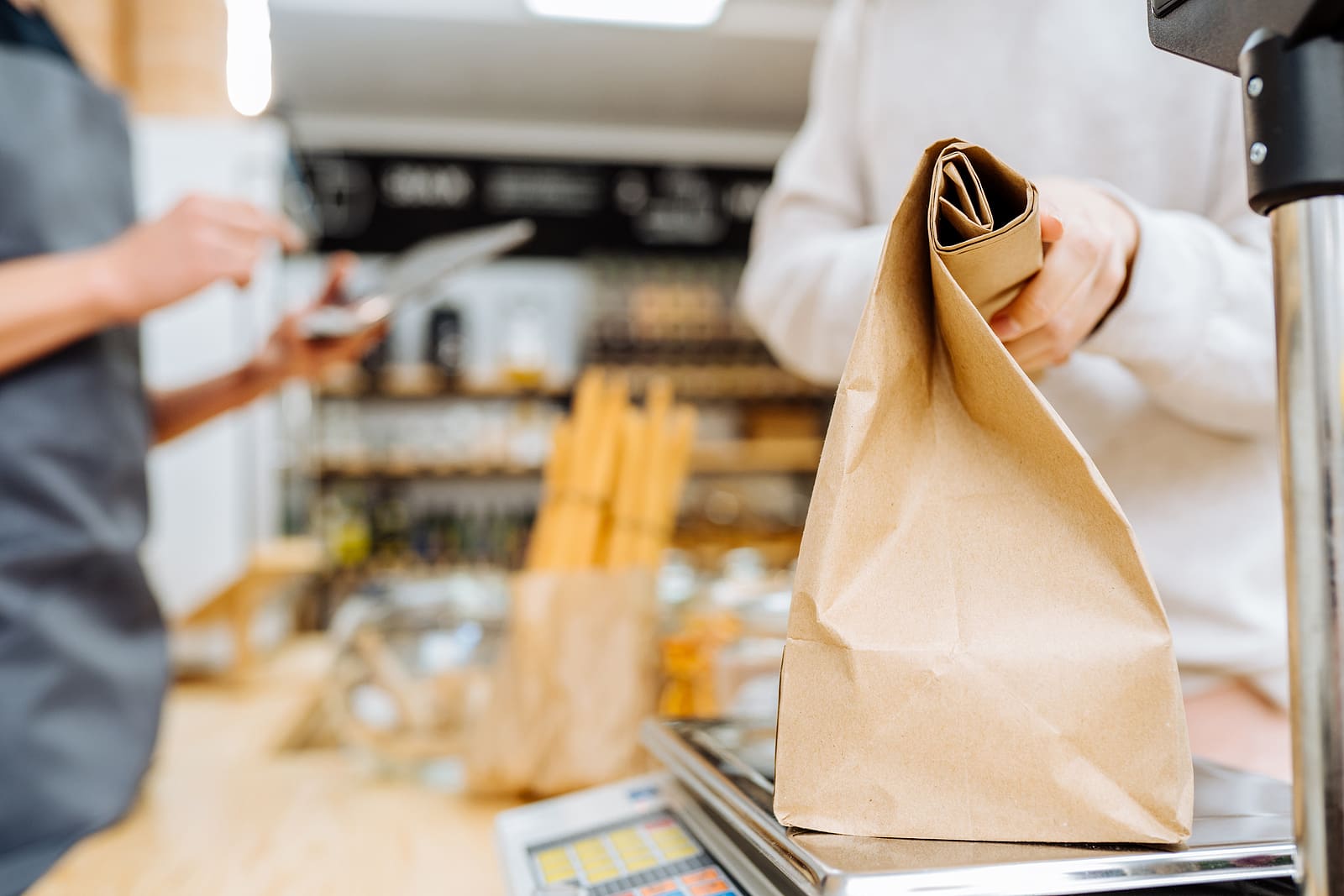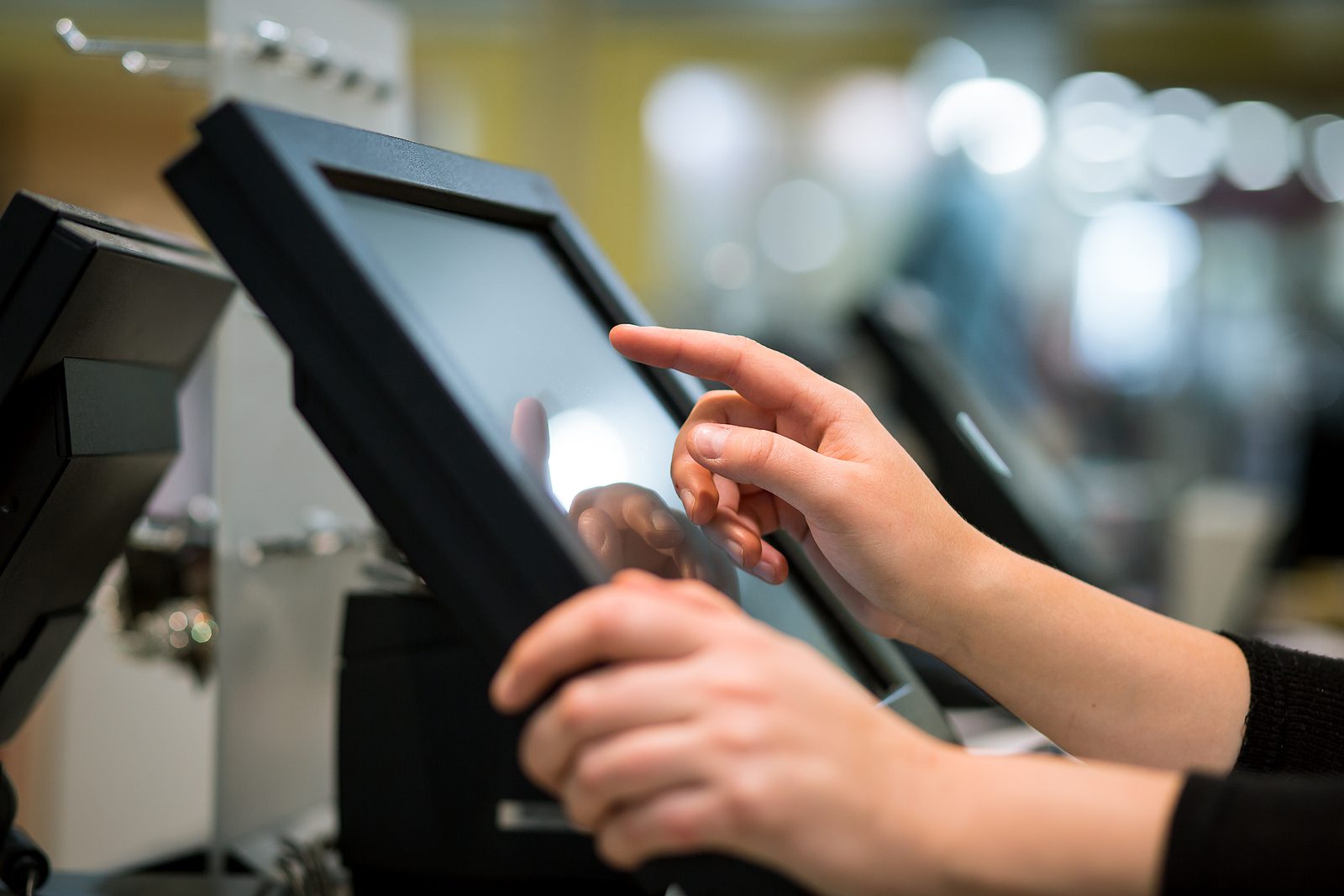
ST. LOUIS, MO – August 27, 2026 (StLouisRestaurantReview) Restaurants now depend on payment systems across nearly every part of service. A guest may pay at the counter, order through a website, book a private event with a deposit, buy a gift card, pay for delivery, or use a mobile wallet at the table. Each transaction may look simple to the customer, but several systems work together behind the scenes to approve the payment, record the sale, settle the transaction, and move funds into the restaurant’s account.
For restaurant owners, payment reliability affects order flow, cash flow, dispute management, and customer trust. A failed payment can stop an online order. A disputed charge can remove revenue after the sale. A revenue hold can create pressure when payroll, inventory, rent, and vendor payments are due.
As restaurants use more digital tools, payment planning deserves the same attention as menu pricing, staffing, food costs, and service quality. A reliable setup helps keep orders moving and reduces avoidable financial disruption.
How Online Restaurant Payments Actually Work
When a customer places an online order, the payment process begins immediately. The customer enters card details, uses a stored card, or pays through a digital wallet. That information passes through a secure payment gateway, which encrypts the data and sends it for authorization.
The processor then communicates with the card network and the issuing bank. The issuing bank checks whether the card is valid, whether funds or credit are available, and whether the transaction appears suspicious. If the payment is approved, the order can move forward. Later, approved transactions are batched and settled, starting the process of moving funds to the restaurant’s bank account.
This flow usually happens in seconds, but it depends on several connected systems. A restaurant may use a POS system, online ordering platform, delivery integration, payment gateway, card processor, fraud filter, and bank account. If one part fails, the customer may see a declined payment, the restaurant may miss an order, or the transaction may be flagged for review.
Restaurants also handle more card-not-present transactions than they did in the past. A card-not-present payment occurs when the card is not physically swiped, dipped, or tapped in front of staff. Online orders, phone orders, catering invoices, delivery transactions, and event deposits can all fall into this category. These payments often carry higher fraud and dispute risk because the business has less direct control over card verification.
Why Some Restaurants Face Extra Payment Scrutiny
Payment processors evaluate risk before approving a merchant and continue monitoring activity after the account is active. They look at the business type, average ticket size, sales volume, refund patterns, chargeback history, delivery model, and payment methods. A restaurant with mostly in-person transactions may have a straightforward approval process. A business with several digital sales channels may need more detailed underwriting.
A restaurant that accepts large catering deposits has a different risk profile than a small cafe that mainly handles walk-in card payments. A delivery-heavy restaurant may see more disputes tied to missing items, late arrivals, refund confusion, or third-party delivery issues. A venue that books private events may process larger payments weeks before the actual service date, which can raise questions about future fulfillment.
Restaurants that rely on large deposits, online ordering, delivery-heavy sales, or frequent card-not-present transactions may need support from a high-risk merchant account provider when standard payment processors are not flexible enough for their risk profile.
In payment processing, “high risk” does not automatically mean the restaurant is poorly managed. It often refers to a higher chance of chargebacks, fraud exposure, delayed fulfillment, larger transaction values, or unusual processing patterns. A well-run restaurant can face extra scrutiny if its payment model includes deposits, online transactions, subscriptions, gift cards, or rapid sales growth.
Specialized merchant support can help restaurants understand underwriting requirements and prepare documentation that explains how the business operates. This preparation matters because processors may place holds, request reserves, or review an account when transaction patterns change suddenly.
The Role of Chargebacks in Restaurant Payment Risk
A chargeback begins when a customer disputes a card transaction with the issuing bank. The claim may state that the charge was unauthorized, the order was not delivered, the customer was charged twice, the refund was not received, or the service did not match expectations.
Once a chargeback begins, the restaurant may need to respond with evidence. Useful documentation can include the original receipt, order confirmation, delivery record, signed catering agreement, refund policy, customer messages, POS records, or proof that the guest received the product or service.
Restaurant disputes often involve details that are easy to misunderstand. A customer may forget that another household member placed the order. A delivery app may show incomplete information. A guest may dispute a deposit after canceling too close to the event date. A catering customer may disagree with the terms after you’ve already committed to food, labor, and supplies.
High chargeback activity can lead to higher fees, delayed deposits, rolling reserves, or account termination. This makes prevention a practical business priority.
Restaurants can reduce disputes by making refund policies visible during online checkout, confirming order details before processing large payments, keeping proof of delivery, and documenting catering or event terms in writing. Staff should also respond quickly to customer complaints, since unresolved frustration can turn into a payment dispute.
Why Revenue Holds Can Create Cash-Flow Problems
Restaurant cash flow often depends on tight timing. Restaurants buy inventory before they sell it. Staff is paid on schedule. Rent, utilities, insurance, equipment, and vendor invoices continue whether sales run smoothly or are disrupted. When card revenue is delayed, the effect can be immediate.
A revenue hold occurs when a payment processor temporarily delays access to funds. This may happen because of unusual sales volume, increased chargebacks, suspicious transactions, incomplete documentation, or a processing review. In some cases, a processor may require a reserve, which means a portion of revenue is held back to cover possible refunds or disputes.
A busy catering weekend may produce a large amount of card revenue, but if those funds are held, the business may still struggle to cover food costs, temporary labor, or vendor bills. Growth becomes harder when the payment system does not release funds predictably.
Processing costs also matter. Restaurants already face pressure from labor, food prices, rent, utilities, insurance, and technology subscriptions. When payment processing fees rise or become harder to predict, they can reduce margins on every order.
Several technical details influence how quickly money reaches the business. Settlement timing, batch cutoff times, funding speed, transaction reviews, gateway settings, and risk filters all play a role. A restaurant owner may see sales in the POS dashboard, but that does not always mean the funds are available in the bank account.
This is why restaurants should review payment reliability before launching a new online ordering system, expanding catering, adding delivery channels, or accepting larger deposits. The setup should match how the restaurant earns revenue.
What Specialized Payment Support Should Include
A strong payment setup for restaurants should help the business process sales securely, reduce avoidable disputes, and maintain stable access to funds.
Underwriting support is one important function. Restaurants with online ordering, delivery, events, or catering deposits may need to explain their business model clearly. This can include average ticket size, expected monthly volume, refund policies, fulfillment process, delivery method, and documentation practices. Accurate underwriting can reduce surprises after the account is active.
Fraud prevention tools are also important. Online restaurant orders can be targeted by stolen cards, fake pickup orders, unusually large transactions, and refund abuse. Basic fraud filters may block suspicious activity, but overly strict settings can decline legitimate customers. Restaurants need a balanced approach that protects revenue without creating unnecessary checkout friction.
Chargeback management should include dispute alerts, evidence tools, and reporting that helps identify patterns. If disputes are tied to delivery, refund policies, order accuracy, or unclear billing descriptors, those issues can often be corrected.
Gateway compatibility also matters. A restaurant may use a POS system, online ordering platform, accounting software, loyalty program, or reservation tool. Payment processing should connect with the systems the business depends on, rather than forcing staff to manage disconnected workflows.
Restaurants should also review funding speed, reserve requirements, support availability, ACH options, virtual terminal access, and reporting tools. These features can help owners manage complex transaction types with fewer interruptions.
How Restaurants Can Reduce Payment Disruptions
Restaurant owners cannot control every dispute or processor review, but they can reduce risk by improving payment practices across the business.
Clear refund and cancellation policies are essential. Guests should understand when refunds are available, how deposits are handled, and what happens if an event is canceled. Make these policies visible during online checkout and include them in catering agreements.
Order documentation also matters. Online orders should include timestamps, item details, customer contact information, payment confirmation, and fulfillment status. Delivery orders should include proof of handoff when possible. Catering and event orders should include signed agreements, menus, service dates, payment schedules, and cancellation terms.
Staff training can prevent mistakes that become disputes. Employees should know how to confirm phone orders, explain deposit policies, issue receipts, and handle refund requests.
Restaurants should also monitor transaction patterns. Sudden spikes in volume, unusually large orders, repeated failed payment attempts, and mismatched billing details may signal risk. Owners should review dashboards and reports regularly, especially after launching new services or promotions.
Security should remain a priority. Restaurants should use secure checkout pages, avoid improper card storage, keep POS software updated, and limit access to payment tools. Strong security practices protect customers and help maintain processor confidence.
Why Payment Planning Belongs in Restaurant Growth Strategy
Include payment systems in planning whenever a restaurant adds a new revenue channel. Online ordering, delivery, catering, private events, gift cards, meal subscriptions, and multi-location expansion all change how money moves through the business.
A small dine-in restaurant may be able to rely on a simple POS setup. A growing restaurant group may need advanced reporting, faster funding, better chargeback tools, and stronger fraud controls. A catering-focused business may need to process large deposits and final balances without triggering unnecessary account reviews. A delivery-heavy operation may need better dispute documentation and order tracking.
Payment planning also connects to broader restaurant operating costs. If restaurants don’t manage processing fees, reserves, chargebacks, or delayed payouts carefully, these costs can quietly reduce profitability.
Before changing platforms, restaurants should ask practical questions. How fast are funds deposited? What happens if sales volume increases quickly? Are card-not-present transactions supported? How are chargebacks handled? Are reserves required? Does the gateway work with the current POS and online ordering system? Is support available when a payment issue affects service?
These questions matter most before busy seasons, catering growth, holiday promotions, major events, or delivery expansion. Payment infrastructure should be ready before volume increases.
Reliable Payments Help Protect the Guest Experience
Guests rarely think about payment infrastructure unless something goes wrong. They expect online orders to process quickly, deposits to be recorded correctly, refunds to be handled clearly, and checkout to feel simple. Restaurant owners need the systems behind those moments to be stable, secure, and predictable.
When transactions process smoothly, staff can focus on service instead of troubleshooting declined payments, missing deposits, or delayed order confirmations. When chargebacks are managed properly, restaurants can defend legitimate sales and identify weak points in communication, documentation, or fulfillment.
As digital ordering and card payments continue to shape the restaurant business, treat payment reliability as a core operational priority. The right structure can help restaurants reduce disruptions, protect cash flow, and support growth with greater confidence.

Martin Smith is the founder and Editor-in-Chief of St. Louis Restaurant Review, STL.News, USPress.News, and STL.Directory. He is a member of the United States Press Agency (ID: 31659) and the US Press Agency.