Rising operating costs, changing customer habits, and recent closures are forcing restaurant owners to rethink their business models, but opportunities remain for independent operators.
ST. LOUIS, MO – October 31, 2026 (StLouisRestaurantReview) The St. Louis restaurant industry is undergoing significant change as rising operating expenses, shifting consumer spending habits, increasing competition, and changing expectations challenge traditional restaurant business models.
Recent restaurant closures across the metropolitan area have raised questions about the industry’s financial health. However, while some establishments are closing, others are expanding, introducing new concepts, or adapting their operations to better serve customers.
The situation presents both challenges and opportunities, particularly for independently owned restaurants that may have greater flexibility than larger restaurant organizations.
The fundamental question facing restaurant owners is no longer simply how to attract customers. Increasingly, it is how to operate profitably in an environment where almost every component of running a restaurant requires careful financial management.
Recent St. Louis Restaurant Closures Raise Concerns
Several recent announcements illustrate the changing conditions facing restaurants across the St. Louis metropolitan area.
International Tap House, commonly known as iTap, announced that its Delmar Loop location will close on November 15, 2026, after approximately five years of operation. Its Soulard location will remain open.
The company did not publicly identify a specific reason for closing the Delmar Loop establishment. Therefore, attributing that decision to rising expenses, declining sales, or any other particular factor would be speculative.
Another significant development involved Session Taco, formerly known as Mission Taco Joint. In October, the restaurant group announced the closure of its remaining locations and its related LaPeZ Mod Mex concept.
The restaurant group’s history included a trademark dispute, rebranding challenges, and efforts to reposition its business. Its circumstances demonstrate that restaurant closures can result from multiple factors beyond general economic conditions.
Other recent changes include the closure of Chevys Fresh Mex in Olivette and Oh London in Creve Coeur.
In the case of Oh London, the closure was accompanied by reports of plans for a different restaurant concept in Clayton, illustrating how a closure does not necessarily mean the people behind a restaurant are abandoning the industry.
These developments deserve attention, but they should not be interpreted as evidence that every restaurant in St. Louis is experiencing the same financial difficulties.
Each establishment has its own ownership structure, lease obligations, operating expenses, competitive position, and business strategy.
Nevertheless, the frequency of recent announcements provides an opportunity to examine the broader economic challenges confronting the restaurant industry.
Rising Restaurant Operating Costs
One of the most significant challenges facing restaurants is the relationship between operating expenses and revenue.
According to the National Restaurant Association‘s 2026 State of the Restaurant Industry report, restaurants nationwide continue to face persistent cost pressures, uneven customer traffic, and profitability challenges.
The association projected approximately $1.55 trillion in nationwide restaurant industry sales for 2026, representing continued growth in consumer spending.
However, increasing industry sales do not automatically translate into higher profits for individual restaurants.
A restaurant can generate more revenue than in previous years and still see declining profitability if expenses rise faster than sales.
Food purchases, employee compensation, insurance, utilities, maintenance, technology, financing, and occupancy costs all affect the bottom line.
Even modest increases across several expense categories can substantially reduce operating income.
Consider a hypothetical independently owned restaurant generating $100,000 in monthly revenue.
If food and beverage costs total $32,000, payroll and related expenses total $33,000, occupancy costs reach $12,000, and other operating expenses total $18,000, the restaurant has only $5,000 remaining before certain additional financial obligations and taxes.
That represents a relatively narrow operating cushion.
A reduction in sales, unexpected equipment failure, higher insurance premiums, or rising food costs could eliminate the remaining profit.
The figures are illustrative rather than representative of any particular St. Louis restaurant, but they demonstrate why revenue alone is an inadequate measure of financial success.
Restaurants must manage their entire cost structure to remain viable.
Commercial Rent Can Become a Serious Burden
Commercial occupancy expenses deserve particular attention.
Many restaurant operators lease their facilities rather than own the real estate.
Depending on the lease agreement, the restaurant may be responsible for more than a fixed monthly base rent.
Some commercial leases require tenants to pay additional amounts for property taxes, building insurance, common-area maintenance, and other expenses.
These arrangements are often associated with triple-net, or NNN, leases.
A restaurant owner evaluating a potential location must therefore consider total occupancy cost, not just the advertised rental rate.
For example, a property with base rent of $5,000 per month could cost substantially more once applicable additional charges are included.
Those expenses become especially challenging when customer traffic falls below projections.
Restaurants also face significant initial investments in kitchen equipment, ventilation, plumbing, refrigeration, dining-room improvements, and compliance with building and health requirements.
Unlike some other businesses, restaurants cannot always relocate easily when lease expenses become excessive.
A location that appeared financially attractive when the business opened may become difficult to sustain several years later.
This makes lease negotiations, renewal provisions, maintenance responsibilities, and long-term occupancy projections important considerations for restaurant owners.
Customers Are Changing How They Spend Money
Restaurant customers are also becoming more selective about their spending.
According to National Restaurant Association research published in October 2026, restaurant menu prices continued increasing in September.
Full-service restaurant menu prices were 3.8% higher than a year earlier, while limited-service restaurant prices increased 3.2%.
Across the Midwest, restaurant menu prices increased approximately 4.3% year over year.
These figures are particularly relevant to St. Louis because they illustrate the pricing pressures affecting restaurants and consumers throughout the region.
For customers, higher restaurant prices compete with housing, groceries, transportation, healthcare, and other household expenses.
Families that previously visited restaurants several times per week may dine out less frequently, choose less expensive establishments, or skip appetizers, alcoholic beverages, and desserts.
Others may continue visiting their favorite restaurants but become more sensitive to portion sizes, service quality, and the overall value of the experience.
These changes can affect profitability even when restaurants maintain relatively steady customer counts.
A table that previously ordered appetizers, multiple beverages, entrées, and desserts may now purchase only the main meal.
The restaurant still incurs many of the same expenses to serve that table, but the total transaction value may be lower.
Consequently, restaurants must consider not only how many customers enter their establishments but also how purchasing patterns are changing.
Online Ordering Has Changed Restaurant Economics
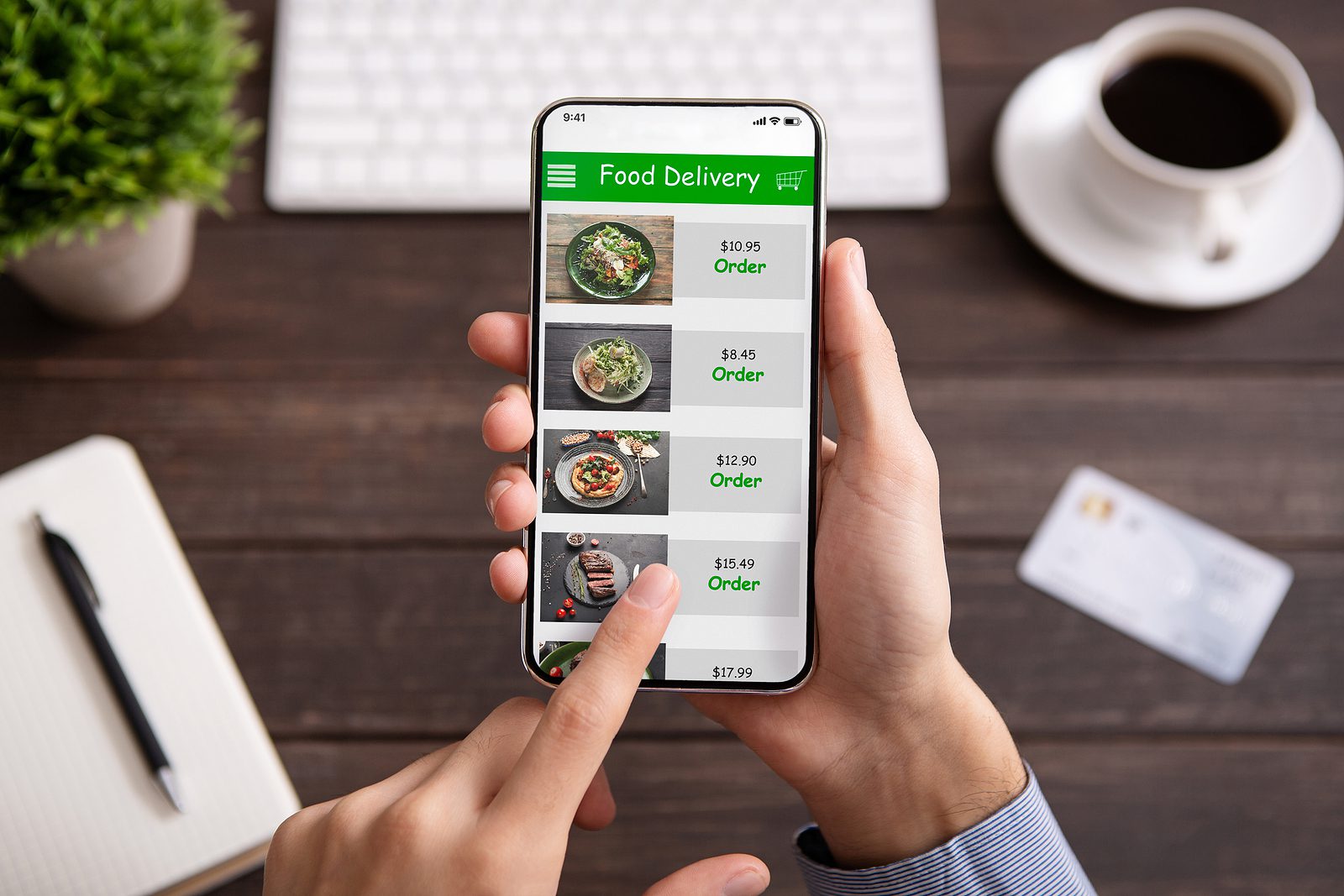
Online ordering and food delivery have fundamentally altered how consumers interact with restaurants.
Customers increasingly expect convenient ordering, transparent pricing, accurate preparation times, and efficient pickup or delivery.
These services can generate additional sales, but they also introduce financial considerations.
Third-party delivery platforms may charge commissions and other fees that reduce the restaurant’s proceeds from an order.
The actual financial impact depends on the restaurant’s agreement, menu pricing, promotional participation, and delivery arrangements.
For a restaurant operating on narrow margins, the difference between a direct order and a third-party transaction can be significant.
This does not mean delivery platforms are inherently unprofitable or undesirable.
They can introduce restaurants to new customers, expand their geographic reach, and generate revenue during periods of slow dining-room traffic.
However, restaurant owners should evaluate whether those additional sales produce meaningful profits after all associated expenses.
One strategy is to encourage repeat customers to order directly through the restaurant’s website or ordering system.
Direct ordering may help businesses retain greater control over customer relationships, marketing, pricing, and order management.
Restaurants must still account for payment processing, technology subscriptions, labor, and any delivery expenses they assume.
The objective should be profitable sales rather than simply increasing transactions.
Why Smaller Independent Restaurants May Have Advantages
Despite the challenges, independently owned restaurants may possess certain advantages over larger organizations.
Smaller establishments often have fewer management layers and can make operational decisions quickly.
An owner who works directly in the restaurant may identify declining sales, rising waste, staffing inefficiencies, or changing customer preferences before those issues become severe.
Independent operators can also adjust menus, introduce specials, modify operating hours, and develop personal relationships with customers.
A restaurant with a smaller dining room, manageable lease obligations, and a carefully designed menu may require less revenue to remain profitable than a larger operation with substantial fixed expenses.
However, small size does not guarantee efficiency.
Independent restaurants may lack the purchasing power, financing options, specialized management teams, and technology resources available to larger chains.
Their success depends on disciplined operations, consistent quality, appropriate pricing, and realistic financial planning.
The most competitive independent restaurants may combine personal service with professional financial management.
Restaurant Owners Must Understand Their Numbers
One of the most important responsibilities of restaurant ownership is understanding the business’s financial performance.
Restaurant operators should regularly review profit-and-loss statements, cash flow, labor expenses, food costs, inventory, occupancy expenses, and sales trends.
A restaurant may appear busy while generating inadequate profit.
Likewise, a restaurant with moderate sales may perform well if it controls expenses carefully.
Owners should understand the contribution margin of individual menu items, meaning the amount remaining from each sale after the directly associated variable costs.
Menu engineering can help identify dishes that are both popular and profitable.
A menu item with impressive sales volume is not necessarily financially attractive if ingredient costs, preparation labor, waste, or other expenses are excessive.
Restaurants also benefit from monitoring inventory and minimizing food waste.
Overordering, improper storage, inconsistent portion sizes, and inadequate inventory controls can reduce profitability.
Scheduling employees according to realistic customer demand is another important consideration.
However, excessive labor reductions can create service problems, longer wait times, employee dissatisfaction, and ultimately lost customers.
Effective management requires balancing cost control with customer experience.
Customer Service Remains a Competitive Advantage
As restaurant prices increase, customers may become less willing to tolerate disappointing experiences.
Food quality remains essential, but service, cleanliness, atmosphere, convenience, and consistency also influence whether customers return.
An independently owned restaurant that remembers regular customers, responds professionally to complaints, and maintains dependable food quality can build lasting relationships.
Those relationships may be particularly valuable during difficult economic periods.
Customers who feel appreciated and consistently receive good value may be more inclined to continue supporting a neighborhood establishment.
Restaurants should also pay attention to online reviews and customer feedback.
Negative reviews do not necessarily reflect a business’s overall quality, but recurring complaints about service, pricing, cleanliness, or food consistency can point to operational issues worth investigating.
Owners who treat customer feedback as useful information rather than a personal criticism may be better positioned to improve their operations.
Catering and Additional Revenue Opportunities
Another potential opportunity involves expanding revenue beyond traditional dining-room service.
Catering, private events, business lunches, family celebrations, and holiday orders may allow restaurants to generate additional sales using existing kitchen facilities.
For example, a restaurant that primarily serves dinner may be able to prepare catering orders earlier in the day, depending on staffing and kitchen capacity.
Restaurants can also develop family meal packages, takeout specials, corporate ordering programs, or limited menus designed for efficient preparation.
These opportunities require careful financial evaluation.
Catering orders may involve additional packaging, transportation, staffing, equipment, and coordination expenses.
Large orders can create operational difficulties if the restaurant lacks adequate preparation capacity.
Nevertheless, a well-managed catering program may provide an additional revenue stream and introduce the restaurant to customers who have not previously visited its dining room.
Diversification can be valuable when it complements the restaurant’s existing strengths rather than distracting management from its primary business.
Restaurant Closures May Create Future Opportunities
An important question is whether the current period of restaurant closures could eventually create opportunities for surviving businesses.
The answer is potentially yes, although the outcome is far from guaranteed.
When a restaurant closes, its customers do not necessarily stop dining out.
Some may begin visiting competing establishments, creating opportunities for nearby restaurants.
Reduced competition could allow financially stable operators to attract new customers, strengthen their market position, or eventually expand.
Commercial vacancies may also give prospective restaurant owners opportunities to negotiate favorable lease terms.
In some circumstances, a former restaurant location may contain valuable infrastructure, including kitchen ventilation, plumbing, refrigeration connections, and dining-room improvements.
However, prospective tenants must inspect equipment, evaluate building conditions, and understand the financial responsibilities tied to the property.
A vacant restaurant space is not automatically a bargain.
Likewise, competitors’ closures do not guarantee increased profitability for surviving restaurants.
If closures are occurring because consumers are spending less throughout the market, remaining businesses may face similar difficulties.
The greatest opportunities may emerge for operators who understand their customers, maintain financial discipline, and avoid expanding beyond their available resources.
St. Louis Continues to Attract Restaurant Investment
Despite recent closures, the St. Louis restaurant market continues to attract entrepreneurs and established operators.
Local restaurant coverage throughout 2026 has documented plans for new concepts, additional locations, and investments in neighborhoods across the metropolitan area.
Projects announced during the year have included new dining concepts in Midtown, Maplewood, The Grove, and downtown St. Louis.
These developments illustrate that the restaurant industry is not moving uniformly in one direction.
Some businesses are reducing their operations while others see opportunities to enter the market or expand.
The distinction is important.
Restaurant closures receive considerable attention because they affect employees, customers, landlords, suppliers, and surrounding businesses.
However, closures alone do not provide a complete picture of industry performance.
A meaningful assessment must also consider openings, expansions, employment, customer spending, profitability, and the financial sustainability of individual business models.
Without comprehensive local data, it would be premature to conclude that the entire St. Louis restaurant industry is either collapsing or experiencing broad-based growth.
What is evident is that restaurant operators must adapt to changing conditions.
Supporting Local Restaurants Matters
Independent restaurants contribute more than meals to their communities.
They create jobs, buy products and services, occupy commercial properties, and contribute to neighborhood activity.
Restaurants can also serve as gathering places where families, friends, coworkers, and visitors develop connections.
When a longstanding restaurant closes, the impact may extend beyond its employees and ownership.
Nearby businesses can lose pedestrian traffic, commercial districts can experience additional vacancies, and neighborhoods can lose familiar gathering places.
Consumers who want to support independently owned restaurants can make a difference by visiting establishments they value, recommending them to others, and ordering directly when practical.
Constructive customer feedback and fair online reviews can also help local businesses improve and attract customers.
However, supporting local restaurants does not mean customers should ignore price, service, or quality.
Restaurants must earn repeat business by providing experiences customers consider worthwhile.
Long-term success requires a sustainable relationship in which customers receive value, and restaurant owners generate sufficient revenue to operate profitably.
The Future of St. Louis Restaurants
The restaurant industry has always experienced change, but today’s operating environment places particular importance on financial management, flexibility, and customer relationships.
Rising expenses, changing consumer preferences, online ordering, commercial lease obligations, and competition all influence whether a restaurant succeeds.
The recent closures in St. Louis remind us that even established concepts can face serious challenges.
At the same time, continued investment in new restaurants demonstrates that entrepreneurs still see potential in the local dining market.
The future may favor businesses that operate efficiently, understand their financial statements, manage occupancy expenses carefully, and adapt quickly when customer behavior changes.
For independent restaurants, smaller operations and closer relationships with customers can provide advantages, but only with effective management.
The coming years could create opportunities for well-positioned local restaurants, particularly if consumer confidence improves and operators maintain disciplined cost structures.
Surviving restaurants are not guaranteed to benefit automatically from competitors’ closures. However, businesses that remain financially stable through difficult conditions may be better positioned to capitalize on future growth.
The St. Louis restaurant market is changing, but change does not necessarily mean decline.
For restaurant owners, the challenge is to recognize those changes early enough to respond effectively.
For consumers, the opportunity is to keep discovering and supporting the independent restaurants that shape the region’s dining culture.
And for the broader St. Louis community, the objective should be a restaurant industry that is not merely busy, but financially sustainable.
About St. Louis Restaurant Review
St. Louis Restaurant Review covers restaurant news, openings, closings, dining trends, independent restaurant businesses, and developments affecting the food-service industry throughout the St. Louis metropolitan area.
The publication helps readers discover local dining establishments while providing information on the opportunities and challenges facing restaurant operators.
Sources and editorial note: This analysis draws on the National Restaurant Association’s 2026 State of the Restaurant Industry report and October 14, 2026, menu-price analysis, along with October reporting by Sauce Magazine, St. Louis Magazine, and the St. Louis Business Journal concerning local restaurant developments. The financial examples are hypothetical. Discussion of operating challenges, possible business strategies, and future opportunities represents industry analysis rather than findings about the finances or management of any individual restaurant. No specific cause of closure is attributed to a business unless supported by published reporting.

Martin Smith is the founder and Editor-in-Chief of St. Louis Restaurant Review, STL.News, USPress.News, and STL.Directory. He is a member of the United States Press Agency (ID: 31659) and the US Press Agency.