ST. LOUIS, MO – July 1, 2026 (StLouisRestaurantReview) Ordering food at home has become so deeply embedded in daily life that few people think about what happens to a dish between the moment a cook seals the container and the moment a guest opens it. Over those thirty to forty minutes, food moves through several physical processes, each of which changes its temperature, texture, and taste. Understanding these processes explains why the same pizza from the same restaurant tastes different when eaten in the dining room versus when unpacked at home.
Temperature: the primary variable in transit
Hot food starts cooling the moment it is packaged. The rate of that process depends on several factors simultaneously: ambient temperature, container material, the volume of the dish, and how tightly the packaging is sealed.
Heat transfer happens through three mechanisms: conduction — through the walls of the container; convection — through the air inside the packaging; and radiation — through the surface of the food itself. Thin plastic conducts heat quickly and provides little insulation. Foamed polystyrene or double-walled cardboard creates an air gap that slows heat transfer and helps maintain temperature for considerably longer.
Soup at 500ml, packed in thin plastic, loses around 10°C in the first 15 minutes at room temperature. The same soup in a thermally insulated vessel loses roughly half that over the same period. A 5°C difference at the moment of delivery is the difference between a hot dish and food that has cooled to a neutral temperature by the time it arrives.
The container, however, is only part of the thermal system. The courier’s insulated bag is the other half — and when that bag is worn out, overfilled, or left open between pickups, even a well-insulated container loses its advantage within the first ten minutes of transit.
Moisture and texture: what happens inside a sealed vessel
Hot food in a sealed container releases steam. That steam condenses on the lid and walls, turns into droplets, and returns to the food as moisture. Temperature is the obvious problem in delivery, but moisture works more quietly and damages texture just as effectively — and it starts the moment the lid goes on.
This is why crispy dishes — french fries, fried chicken, tempura, crunchy tacos — lose their texture within minutes of being packaged. Steam softens the crust from the inside, and by the time the order arrives, the crunch has largely disappeared. The effect is faster in smaller containers, where the ratio of food surface area to air volume is higher, and slower in larger, vented vessels, where steam has somewhere to go.
Professional solutions to this problem exist and are actively used across the industry:
- vented containers with perforated lids release steam and preserve crispness considerably longer than sealed alternatives;
- separate packaging for sauces and wet components prevents the main dish from softening in transit;
- ridged inserts lift food above the container’s base, eliminating contact with condensation.
Selecting the right packaging for a specific dish is an operational decision that directly affects what the guest receives.
How packaging shapes the first impression
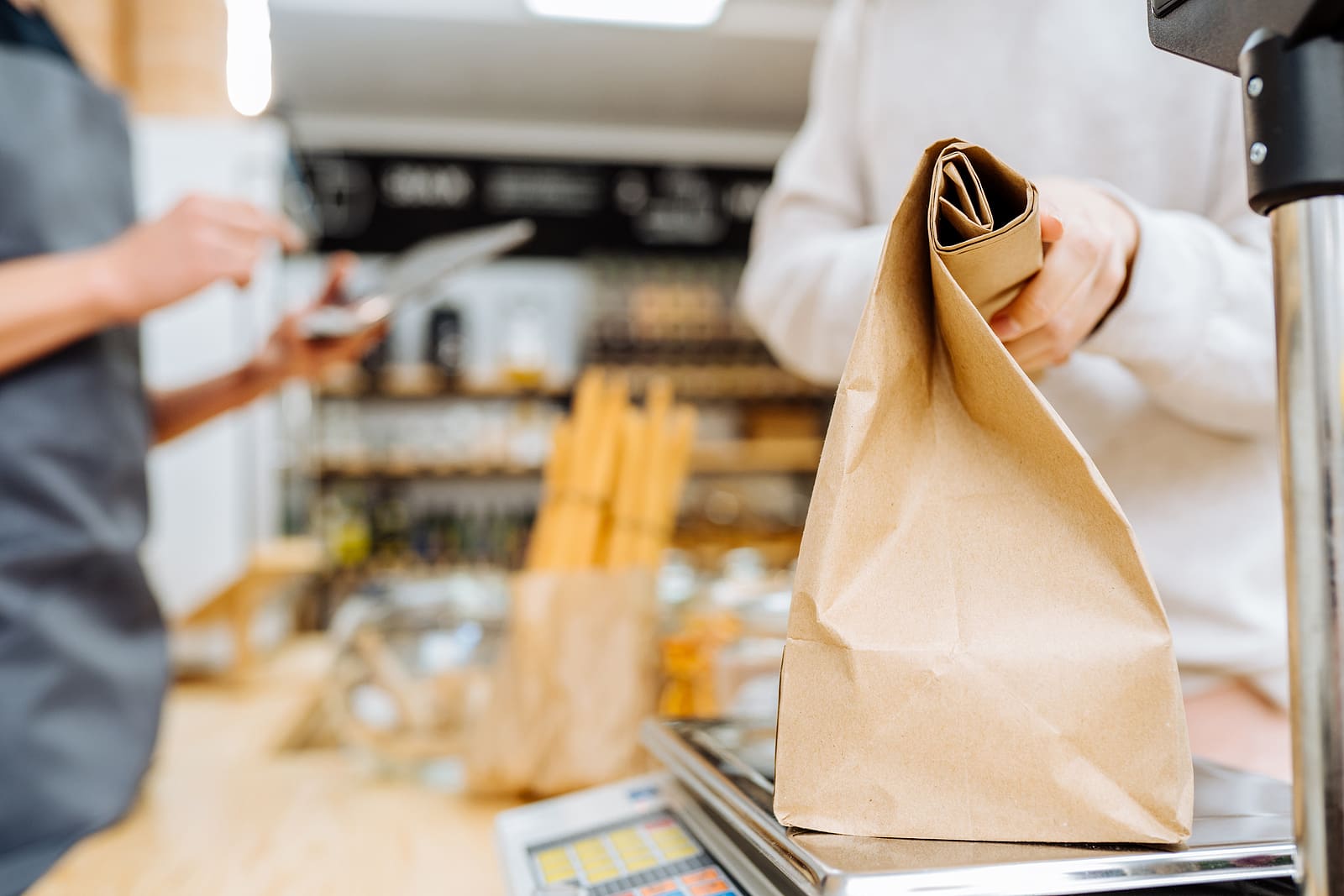
A guest opens the container and forms an opinion about the restaurant before the first bite. A dented lid, leaked sauce, food that has shifted and compressed — all of it reads as carelessness, even when the dish itself was prepared well. In delivery, packaging performs the same function as interior design and service in a dining room: it creates the context in which the guest experiences the food.
Restaurants that take delivery seriously approach container selection with the same care they give to the menu. Material, shape, seal quality, and compatibility with specific dishes — each of these factors determines what condition the product arrives in. Suppliers like McDonald Paper & Restaurant Supplies build their range around exactly these operational requirements — soup vessels, specialized packaging for pizza and sushi, containers for hot appetizers — covering the full scope of what a delivery-focused kitchen needs.
Time in transit: when logistics matters more than packaging
Even the best packaging has a limit. A dish traveling 45 minutes in rush-hour traffic will arrive in worse condition than the same dish delivered in 15 minutes — regardless of container quality. Transit time is a variable that restaurants can control to some extent: through delivery zone selection, kitchen load management during peak hours, and the choice of logistics partner.
The optimal delivery window for most hot dishes is under 30 minutes. During that period, properly packaged food retains enough heat and texture for the guest to have an experience close to the in-restaurant one. Beyond 45 minutes, even quality packaging loses its effectiveness — the physical processes inside the container accumulate their result.
Some food categories handle transit time considerably better than others:
- braised and slow-cooked dishes — additional time in heat works in their favor, making them softer and more developed in flavor;
- soups and broths in sealed, thermally insulated vessels — lose temperature slowly and arrive hot even on longer deliveries;
- sushi and cold dishes — low temperature is the critical variable, and a good insulated bag handles the requirement.
Dishes with crispy textures, open salads, and multi-component plates with sauces handle transit time the worst of all and require either specialized packaging or a rethought format for delivery.
Restaurants that think carefully about delivery increasingly maintain two versions of their menu: a full in-house offering and a curated delivery selection that excludes dishes the kitchen knows will not arrive in acceptable condition after the journey. That decision protects both the guest experience and the restaurant’s reputation.
What is changing in the industry
The food delivery segment has radically changed packaging requirements over recent years. Restaurants that previously operated exclusively in-house had to rethink their entire packaging logic: which dishes to pack together, which separately, which containers hold temperature, and which preserve texture.
The industry responded by expanding the range of specialized packaging. Today, solutions exist for every food category, developed with the specific physical properties of each product in mind. Vented lids, multi-compartment containers, heat-resistant materials, biodegradable alternatives to plastic — all of these are now part of the procurement logic for any operation that takes delivery quality seriously.
The gap between a restaurant that treats packaging as a commodity and one that treats it as part of the product has become measurable — in review scores, repeat-order rates, and the consistency of the experience guests actually have.
A guest forming an impression of an order draws on several elements simultaneously: temperature, texture, appearance, and ease of opening. That combined impression determines whether they place the next order — and it is precisely there that packaging plays a role that compounds across every delivery the restaurant sends out.

Martin Smith is the founder and Editor-in-Chief of St. Louis Restaurant Review, STL.News, USPress.News, and STL.Directory. He is a member of the United States Press Agency (ID: 31659) and the US Press Agency.