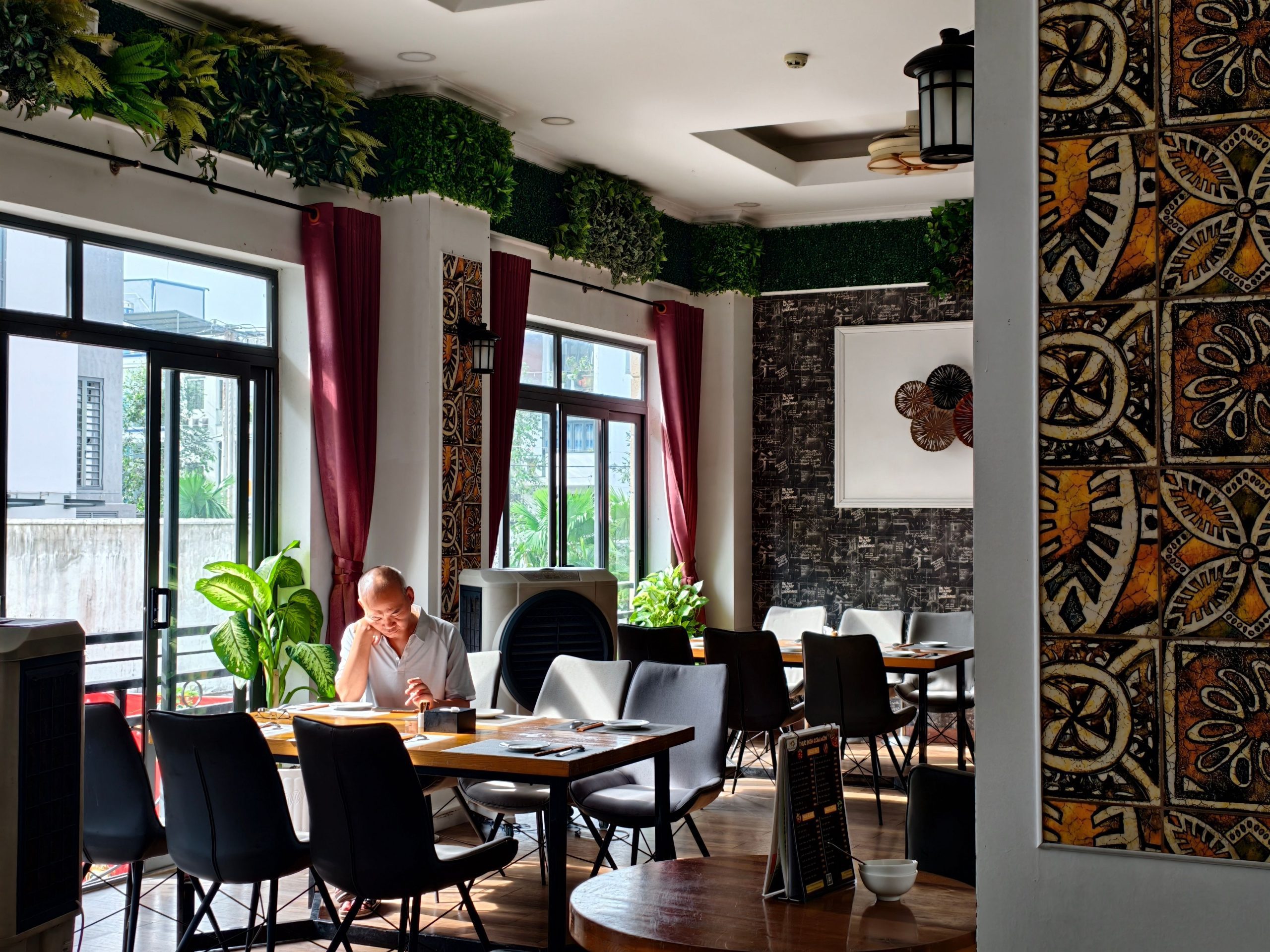
ST. LOUIS, MO – September 30, 2026 (StLouisRestaurantReview) Walk into a St. Louis restaurant on a weeknight, and you will likely spot a table set for one, phone propped against the water glass. Sometimes the screen shows a game highlight. Sometimes it is a video call with a parent back home or a friend three states away, both of them eating dinner together without sharing a zip code.
That habit did not start with a marketing campaign. It grew out of two years when a video call was often the only way to share a meal with anyone outside your own household, and the habit never fully disappeared once restaurants reopened. Solo dining kept climbing anyway.
From Pandemic Necessity to Standing Habit
OpenTable has reported that reservations for a table of one rose 23 percent over a recent twelve-month stretch, with solo diners spending more per check than the average group. Restaurant staff around St. Louis describe the same pattern anecdotally: more single diners at the bar on a Tuesday, more people asking for a booth instead of a two-top by the window, more comfort with eating in public without a companion sitting across the table.
Omegle, the site that had let strangers video chat at random since 2009, shut down for good on November 8, 2023, after its founder said the platform had grown too costly and too dangerous to keep running amid lawsuits over child safety. Its closure left a gap that a handful of moderated, subscription-based services moved to fill. Anyone comparing what came after tends to land on the same shortlist, and a guide covering what to try instead of CooMeet usually walks through verification steps, cost per minute, and how fast a human moderator responds to a report. Video chat as a category did not shrink after Omegle closed. It just moved toward platforms that ask more of their users up front.
Where St. Louis Sets a Table for One
Local spots that work for a solo meal tend to share a few traits: counter or bar seating, a menu that does not force you to order for two, and a room that does not feel empty at 6 p.m. on a Tuesday. Yummy Rice Noodle in University City is a good example. After a renovation, the owners added pickup and delivery through eOrderSTL alongside the dining room, and the staff will say the redesigned space works whether you are dining solo, sharing a family meal, or meeting friends for a relaxing evening over a bowl of Crossing the Bridge rice noodle soup.
Diner counters do the same job in a different register. A stool at Jenny’s Diner in Chesterfield or a booth at Beto’s King Burrito in St. Charles puts a solo customer in the middle of the room instead of tucked in a corner, a small design choice that changes how comfortable an hour alone actually feels. Scrambled Eggs Restaurant in Weldon Spring and Tasty Bowl in O’Fallon, Illinois work the same way, with casual rooms and staff who do not treat a party of one as an afterthought. None of that requires a screen at all. It just means the restaurant already expected someone to show up by themselves.
Takeout Built Around a Shared Screen
The video call habit and the solo dining habit overlap most on nights when eating together in person is not an option: a long-distance relationship, a friend group scattered across time zones, a parent checking in on a kid away at school. The food itself still has to come from somewhere, and St. Louis takeout has adapted to that pattern the way it adapted to online ordering more broadly over the past several years.
St. Louis Restaurant Review has covered the broader shift toward pairing a takeout order with something to do on screen at the same time, from streaming a show to running a co-op video game session while the food cools on the coffee table. The same logic applies when the other person on the call is not in the room. Order toasted ravioli from a Hill institution or a thin crust pizza cut into squares, set up the call, and eat on a schedule that has nothing to do with either person’s actual time zone.
A Few Ground Rules for Eating on Camera
Restaurants that cater to solo diners have quietly worked out the etiquette: keep the phone propped rather than handheld, use headphones so the call does not carry to nearby tables, and step outside if the conversation gets loud. The same courtesy holds at home. A video call is not a reason to skip basic care with lighting, background noise, or who else can see the screen, especially on any platform that connects you to someone outside your existing contacts.
That last point matters more with a stranger on the other end of the call than with a familiar face. Sites built for random video chat generally publish their own moderation and reporting policies, and reading them before signing up takes a few minutes. A meal is a long stretch of unbroken camera time, longer than most video calls, which is reason enough to know how a platform handles a report before you ever need to file one. It is a small piece of homework, closer to reading delivery reviews before ordering than anything technical.
None of this is really about the technology. It is about a table that used to require a second person, now working fine with one, plus a screen that fills in the rest when the company someone wants is not in the same city. St. Louis restaurants that lean into solo seating and easy takeout are simply meeting people where that habit already lives, one bowl of noodles or one plate of ravioli at a time. The next time a table for one feels like a compromise, it is worth remembering how many people around the city are quietly doing the same thing, with or without a screen propped against the glass.

Martin Smith is the founder and Editor-in-Chief of St. Louis Restaurant Review, STL.News, USPress.News, and STL.Directory. He is a member of the United States Press Agency (ID: 31659) and the US Press Agency.