ST. LOUIS, MO/May 27, 2026 (StLouisRestaurantReview) Sports betting arrived in Missouri on December 1, 2025, after Amendment 2 passed on the November 2024 ballot. The change was particularly visible in St. Louis, where Cardinals and Blues fans suddenly had legal in-state options for the first time in years, after crossing the river into Illinois for the same thing. A few months into the new regime, the local conversation has shifted from whether betting would come to Missouri to which platforms are worth using and which are not.
The picture is more complicated than the launch coverage suggested. Bettors in St. Louis now choose among regulated state operators, sportsbooks operating from neighboring states, and a parallel universe of cryptocurrency-based platforms that exist entirely outside US regulation. Each category has trade-offs, and getting the distinctions right matters more than most casual fans realize before they put down their first dollar.
Where Missouri Bettors Stand in 2026
The regulated Missouri market is dominated by the same operators that lead in other states: DraftKings, FanDuel, BetMGM, Caesars, and a smaller bench of regional brands. These platforms accept US dollar deposits, comply with state advertising rules, contribute to the responsible-gambling fund mandated by Amendment 2, and pay state taxes on adjusted gross gaming revenue. They are also the ones most likely to handle a customer service issue if something goes wrong, which matters more than marketing usually suggests.
Outside that regulated perimeter sits a much messier landscape of offshore platforms. Comparison resources for bitcoin betting sites and other crypto-based operators get a steady stream of search traffic from US bettors seeking anonymity, faster withdrawals, or markets that state-licensed books do not offer. These sites are not licensed in Missouri or anywhere else in the US. They operate under licenses from places like Curaçao or Anjouan, which means American players using them have no state consumer-protection backstop and may run into withdrawal disputes that no Missouri regulator can help resolve.
What the Regulated Market Actually Offers
The primary benefit of state-licensed sportsbooks is that users know where they stand. Deposits clear through US banking rails, withdrawals are taxable income reported on a 1099, and the operator’s license is on file with the Missouri Gaming Commission. The Commission publishes operator data, handles complaints, and has the legal authority to suspend or revoke a license if the operator breaks the rules. None of that exists offshore.
The downsides are also real. State-licensed books cap promotional bonuses, limit certain prop bet types, and may decline action from sharper bettors after a few wins, all standard industry practices that frustrate certain customers. Withdrawal times can run several business days during peak periods, and the menu of markets is generally narrower than what offshore operators advertise. For most casual fans, this is a fine trade. For bettors with more specific needs, the calculus is different and worth thinking through carefully.
How Crypto-Based Books Are Different
The crypto sportsbook model emerged in the years before US states began legalizing single-game wagering, when offshore was the only practical option for American bettors. The model survived the post-PASPA wave of state legalization because some users still preferred crypto-native rails for reasons of speed, anonymity, or access to non-US markets. Withdrawals in stablecoins can settle in minutes rather than days, which appeals to high-volume bettors who hate having capital tied up in a sportsbook account.
The risks are also higher. Offshore operators are outside US courts. If a site freezes a withdrawal, the customer’s recourse is limited to the dispute mechanism available in the operator’s home jurisdiction, which may be slow, expensive, or effectively nonexistent. Several large offshore platforms have closed without paying out balances over the years, and US bettors who used them had no practical way to recover funds. Anyone considering a crypto-based platform should treat the deposit as a risk on the operator itself, separate from the risk on the actual sports outcomes being wagered on.
The Game-Day Dining and Betting Crossover
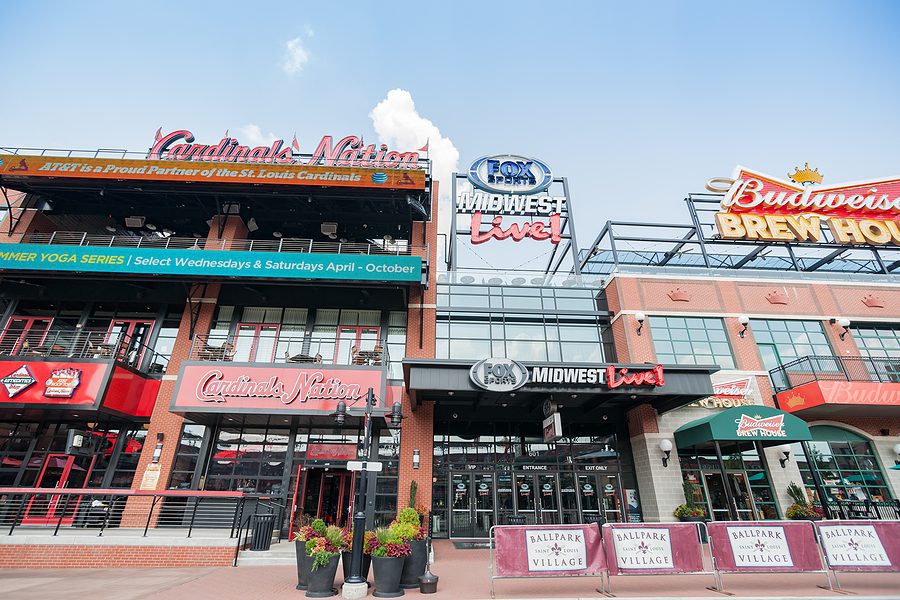
The local angle on all of this is real, even if it gets less attention than the regulatory side. Sportsbook apps have changed the rhythm of game day in St. Louis. Fans who used to head to a bar before first pitch and decide there whether to put money on the game now place their bets on the way over, then watch in restaurants that have started building drink and food menus around the bigger games on the calendar. The pre-game party scene at Cardinals Nation shows how the dining and live-game economies are increasingly inseparable in Ballpark Village and the surrounding blocks.
That blend has its own dynamics. Restaurants near Busch Stadium have always relied on Cardinals home games for foot traffic, but the addition of live in-game betting on phones means customers stay longer, order another round, and pay more attention to the screens above the bar than they used to. Operators are still figuring out how to handle this shift, and the better ones now think about Wi-Fi capacity and screen placement the way bars used to think about cable packages.
What to Watch Through the Rest of 2026
The Missouri sports betting market will continue to mature through the rest of the year. Promotional bonuses will likely continue to narrow as operators stabilize their marketing budgets. Tax revenue from the first full year will surface in state budget discussions, and the Gaming Commission will publish data on problem-gambling helpline calls and other public-interest metrics. Whether the regulated market expands to include additional operator categories, such as pari-mutuel and exchange-style betting, depends on legislative moves that have not yet been scheduled.
For St. Louis bettors and the businesses that depend on Cardinals and Blues fans, the most useful advice is the dullest. Stick to state-licensed operators unless there is a specific reason not to. Treat any offshore platform as a counterparty risk on top of the sports risk. Eat well before the game (the piece on combining St. Louis’ finest takeout with digital thrills has some pairings worth bookmarking), and remember that the responsible-gambling helpline at 1-888-BETSOFF exists for good reason.
© Copyright 2026 – All Rights Reserved – St. Louis Media LLC dba St. Louis Restaurant Review

Martin Smith is the founder and Editor-in-Chief of St. Louis Restaurant Review, STL.News, USPress.News, and STL.Directory. He is a member of the United States Press Agency (ID: 31659) and the US Press Agency.