ST. LOUIS, MO – June 22, 2026 (StLouisRestaurantReview) The most interesting food trends of 2026 are not about expensive plates alone. They are about texture, preservation, regional pride, alcohol-free pairings, and restaurants that treat ordinary ingredients with sharper imagination. Diners are paying closer attention to value, story, and depth of flavor. That is why a fermented pickle, a smoked fish course, or a precise bowl of rice can feel more memorable than another luxury tasting menu. For Bangladeshi readers, the year’s culinary discoveries also feel familiar: strong spice, sourness, street energy, fish, rice, and shared plates are no longer side notes in global dining. They are part of the main conversation.
Bangkok Keeps Pulling The Spotlight East
Asia’s dining scene has been one of the clearest stories of the year. Bangkok continues to look powerful, with restaurants that mix technical fine dining and street-level confidence. The appeal is not only heat or spectacle. It is the way Thai kitchens treat herbs, seafood, smoke, acidity, and service as one complete rhythm.
That feels close to South Asian taste. A Bangladeshi diner does not need a lecture on layered spice. The palate already understands mustard oil, green chili, tamarind, dried fish, bhorta, and slow-cooked meat. What is changing globally is the respect given to those intense, regional flavors.
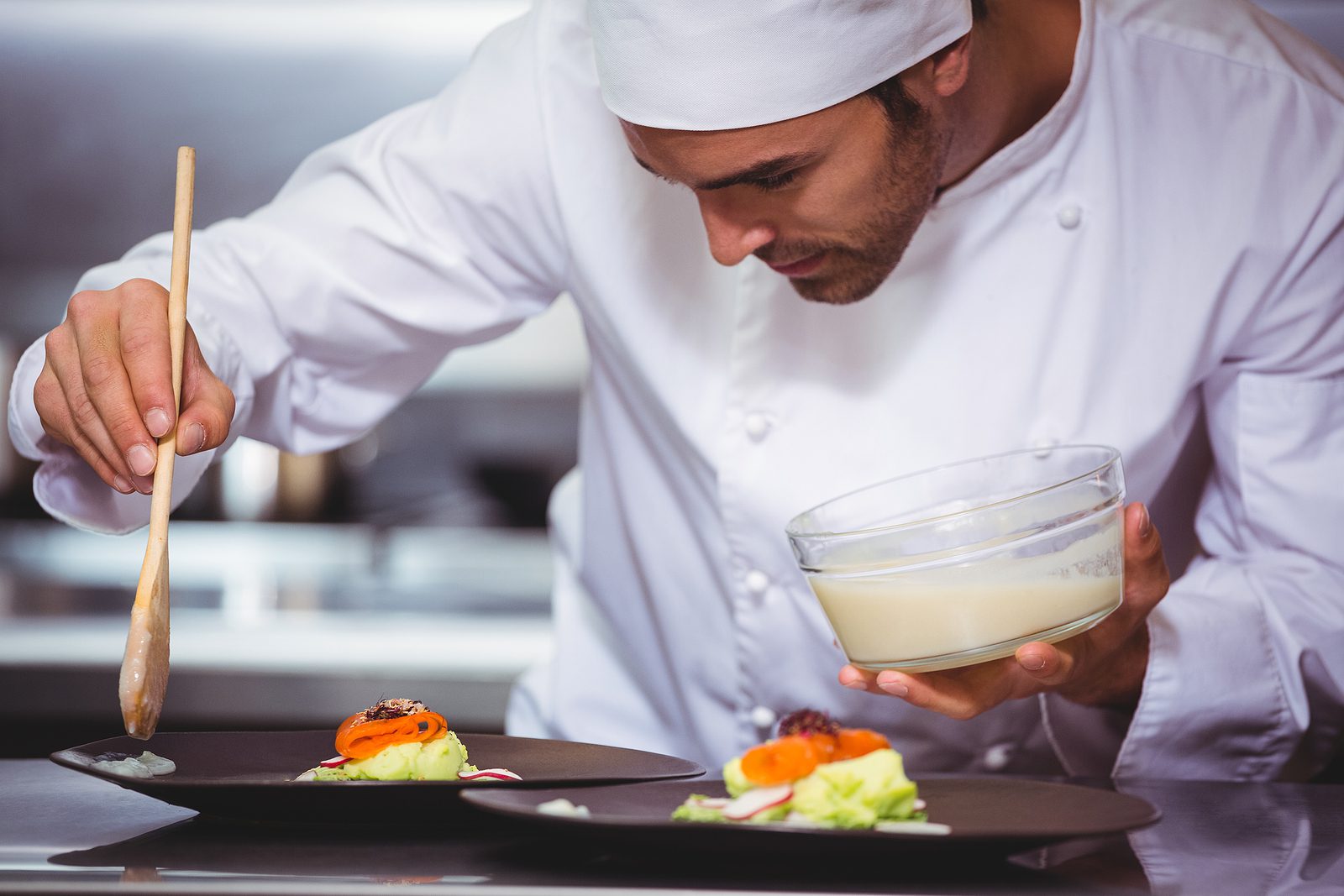
Fine dining is finally learning what street food knew long ago: flavor must move.
Fermentation Has Become A Serious Luxury
Fermentation is one of the year’s strongest culinary discoveries. Chefs are using time as an ingredient, not just a preservation method. Pickles, aged sauces, fermented vegetables, cultured drinks, and slow-developed pastes now appear in menus that once chased foam and decoration.
This is not foreign to Bangladeshi kitchens. Shutki, achar, panta bhat, fermented-rice notes, and sour condiments all convey the same idea: controlled change creates deeper taste. The difference in 2026 is presentation. Restaurants are giving old techniques a sharper frame.
Expect more menus built around:
- fermented fruits and vegetables;
- alcohol-free pairings with herbs and tea;
- open-fire cooking;
- tableside finishing;
- small-format desserts;
- regional rice, lentils, and fish.
Casino Culture And Food Culture Share The Short-Session Habit
Dining and digital entertainment now compete for the same small pockets of free time. A person may watch a food reel, order a snack, check cricket scores, and open a casual game before dinner arrives. In that pattern, Bangla slots fit the same short-session behavior that defines mobile-first leisure, where users prefer quick rounds, clear game rules, and visual variety. Casino slot play is built around RNG, volatility, bonus features, and RTP ranges, so the smarter habit is to treat it as paid entertainment with a set bankroll. That mindset is close to how diners now approach food trends: try something specific, understand what makes it work, and avoid spending blindly. Short experiences still need judgment.
Food discovery also happens through phones before it happens at tables. People compare menus, save reels, check reviews, and decide within seconds whether a place feels worth the trip. A casino user may visit https://melbet-apk-in.com/apk/ using the same mobile logic: clean access, quick loading, visible categories, and enough information to choose among slots, live games, or fast rounds. The useful details sit beneath the surface, especially wagering rules, payment steps, account verification, and session limits. Strong digital platforms reduce friction without hiding the mechanics. Good food apps and good casino apps both win attention by making choices feel simple.
Alcohol-Free Pairings Are No Longer An Afterthought
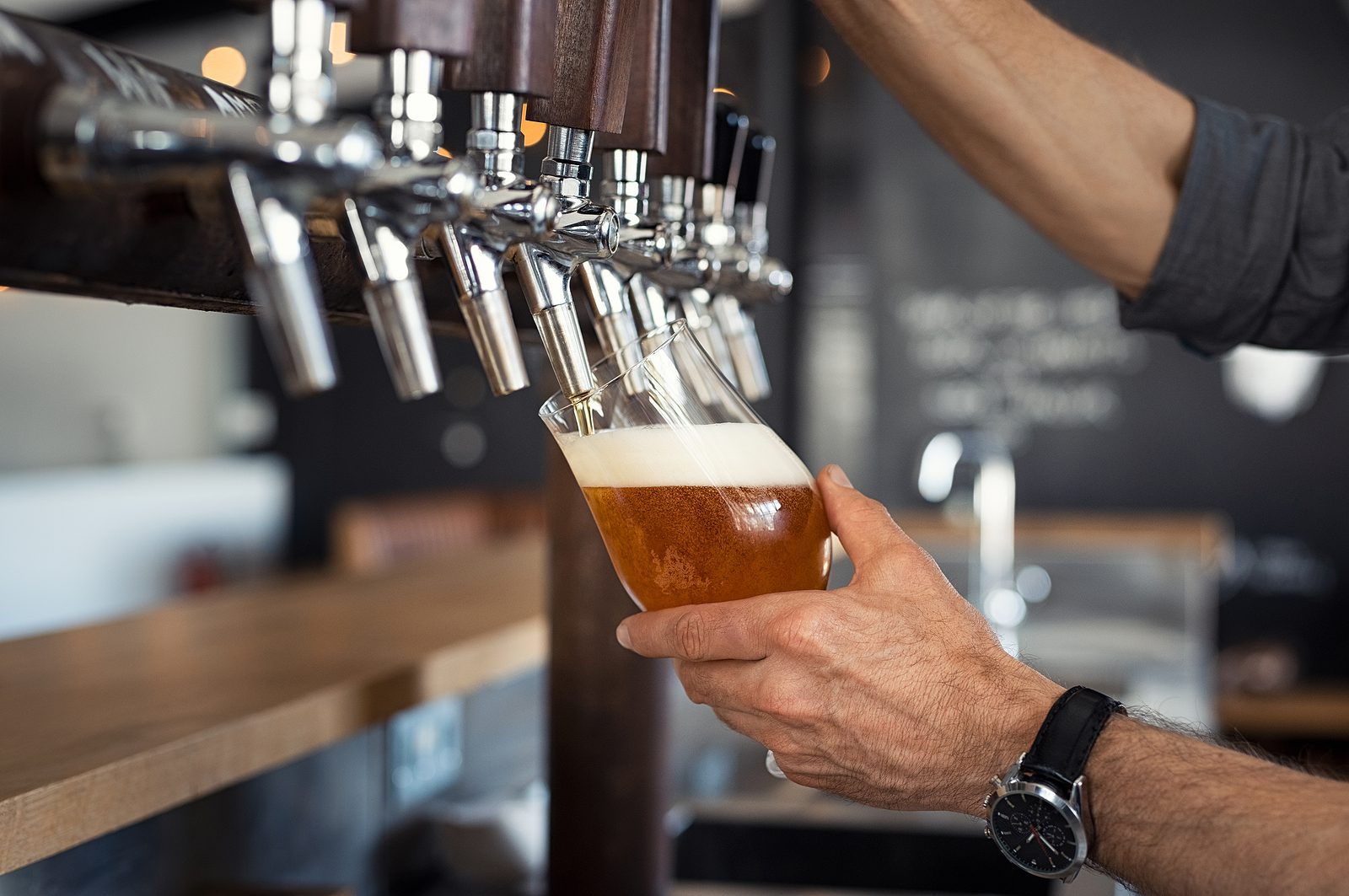
One of the most practical food shifts of 2026 is the rise of serious non-alcoholic pairings. Restaurants are treating tea, citrus, herbs, fermented drinks, spices, and cold infusions as full partners to food. This makes dining more inclusive and more interesting.
For many Muslim-majority audiences, this is not a trend but overdue recognition. A complex drink does not need alcohol to carry bitterness, acidity, aroma, or structure. A tamarind cooler, spiced tea, salted lime soda, or fermented fruit drink can stand beside a careful meal without feeling secondary.
The best restaurants are now building drinks that behave like sauces. They cut fat, refresh the mouth, and extend flavor.
New Restaurants Are Selling Memory, Not Just Novelty
The most exciting openings are not always new because they use strange ingredients. Many are new because they return to memory with better technique.
This explains the rise of heritage cooking. Diners want regional stories, family recipes, clay-pot textures, smoke, sourness, and hand-shaped breads. A plate feels stronger when it carries a place, not just a concept.
For Bangladesh, that opens room for serious local storytelling. Hilsa, kacchi biryani, mezbani beef, fuchka, bhuna khichuri, river fish, and winter pitha already have emotional weight. The opportunity is in sharper documentation, cleaner service, and confident presentation.
Value Is The Discovery Nobody Can Ignore
Food culture is also reacting to price. Time Out’s 2026 food-city ranking placed strong weight on affordability, not only quality. That matters because diners are tired of restaurants that feel designed for photos rather than meals.
The year’s best culinary discoveries prove that value does not mean cheapness. It means the diner understands what they paid for: better sourcing, better skill, better memory, better comfort. A small plate can feel fair if it leaves a mark. A large meal can feel empty if it has no identity.
That is the real direction of food this year. Less theatre. More flavor with a pulse.

Martin Smith is the founder and Editor-in-Chief of St. Louis Restaurant Review, STL.News, USPress.News, and STL.Directory. He is a member of the United States Press Agency (ID: 31659) and the US Press Agency.